• About
  • Content Organized by Life-Style Choices

Purposely Live to120

~ Living to the full potential life-span with full vigor

Category Archives: Optimal Health

Post #22 – So, what should you eat for optimal health?

29 Monday Sep 2014

Posted by purposelyliveto120 in Aging, Nutrition, Optimal Health, Puposely Living, Vitality, wellness

≈ 2 Comments

So, what should you eat for optimal health? – Part I

That is the million dollar question. Isn’t it? This is such a big and controversial topic that so far I had dared not touch it. There is so much information out there on this topic. It is mind boggling.

Let us start from a simple premise.

Let’s assume for a moment that you can get over all the excuses like: I don’t like the taste of it, or I am a vegetarian, or I cannot live without meat, or but that’s the way I was raised, or but I travel too much, or, I don’t have time to eat healthy, etc., etc., etc.

If the only objective was optimal health and you could follow whatever diet or nutritional plan was optimal, what should you eat?

Well, that is the question I have been asking and answer I have been searching for quite a while now.

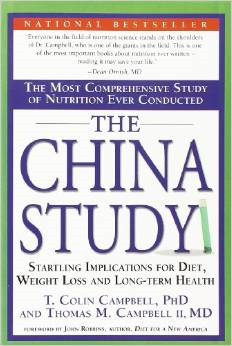
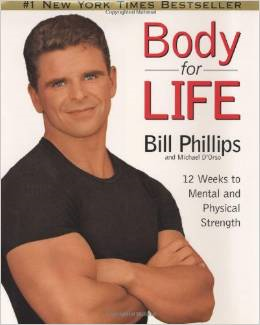
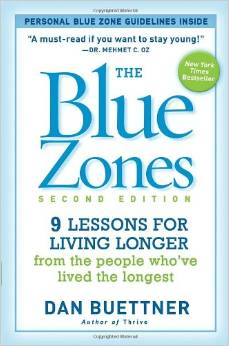
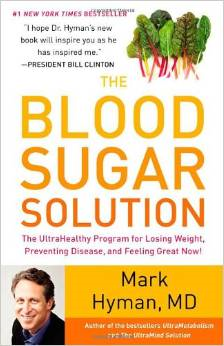
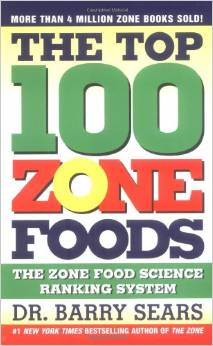
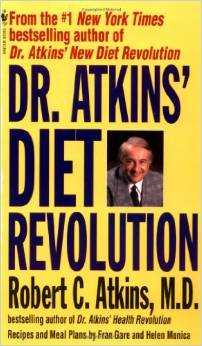
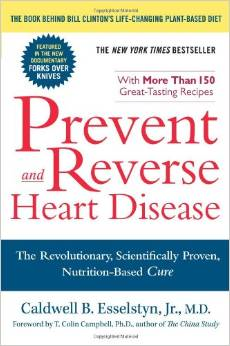
Here is a sampling of the books I have read, in no particular order, looking for the answer:

The South Beach Diet The Perfect 10 Diet The Life Plan The Top 100 Zone Foods The Disease Dillusion The China Study The Body For Life The Blue Zones The Blood Sugar Solution The Top 100 Zone Foods Dr. Atkins DietPrevent and Reverse Heart DiseaseThe Joe Dillon DiferencePower Foods

All of these books have their specific points-of-view.

Some of these advocate vegetarian or vegan food.

Some recommend high protein.

Some recommend low carbs.

Some balanced meals.

Some advocate very low amount fats.

Some recommend saturated fats. Some don’t.

Some focus on eating simple foods.

Some focus on sugar management.

Some say track (count) calories.

Some say don’t bother with calories counting.

So, what is one to do?

It is so easy to get lost in trees or the nuances of different food paradigms.

While there are so many things these books don’t agree on, there are also a lot they all do agree on.

Looking for what they do agree on, here are some basic principles I have extracted from these and other books and resources:

  1. What you eat, how much you eat and when you eat, all matter
  2. Eat clean
  3. Eat lots of vegetables and fruits
  4. Use only healthy fats and fat sources
  5. Incorporate sufficient proteins in your diet
  6. Best beverage to drink is pure water
  7. Add or subtract specific foods based on your personal needs

Over the next posts, I plan to take each of these items one at time and share my thoughts. For now, I would like to hear your feedback on this list of basic principles.

Have you seen any diet book or nutritional studies that violate any of these basic principles?

Do you think there should be other basic principles to add to this list?

Post #20 – So, how much muscle can you gain in a short period and why you may want to?

10 Sunday Aug 2014

Posted by purposelyliveto120 in Aging, Bikram Yoga, Biomarkers for Stress, Ideal Body Weight, Lean Mass, Life-Span, Living to 120, Optimal Health, Percent Body Fat, Vitality, wellness, Yoga

≈ Leave a comment

In most health literature, one thing I find repeated over and over again is that muscle or lean body mass is a very important factor for health and longevity.

When I heard from Joe Dillon about 15 months ago a concrete technique to lose body fat and gain muscle mass, I got inspired. Although, I had generally been keeping track of my weight, up until then I had never really thought of tracking or targeting body fat and lean mass directly.

More I studied this topic, the more it all made sense. Weight and Body Mass Index (BMI) are just proxy for tracking body fat and lean mass, which are what really count. It is the body fat that is harmful and it is the lean mass that is helpful – and both in so many different ways. And, at times BMI and body fat can be very poor approximation of body fat and lean mass.

If in the process of losing weight, you lose muscle mass rather than fat, that is not a good thing at all. In fact, that can be very harmful to your health. Mark Hyman, MD talks about a term call skinny fat to describe someone who looks quite skinning, has good weight, but the weight is very disproportionately fat mass.

William Evans, Ph.D. and Irwin Rosenberg, MD in their seminal work, Biomarkers, The 10 Determinants of Aging You Can Control,” coined the term Sarcopenia, to describe a “disease” when someone lacks adequate lean body mass.

Jim Karas, in his book, The Business Plan for the Body”, calls lean mass the net worth. When he talks to business people, who understand financials, he explains weight, muscle and fat this way: weight is your total assets, fat is total debt and lean muscle mass is your equity or net worth. And, if you do nothing, starting with age 30, you lose muscle mass, about 7 lbs. per decade for men and women, and accelerating to one pound per year after menopause for women. So, if you do nothing to counteract, by the age of 60, you will have lost 21 lbs. of muscle mass and replaced with 21 plus your weight gained, since the age of 30, in body fat. Is that 31 lbs. or 41 lbs. or more of additional body fat? Yikes!

You get the idea.

Through all this studying, I found a new way to articulate that object of the game (or obsession) of weight loss, i.e., to simply target and measure percent body fat. And, Joe Dillon provided ideal targets. He feels that for optimal health men should have no more than 15% body fat, while woman should have no more than 22%. Further, he says, that the world class male athletes have body fat percent in the range of 6 to 12% and female athletes in the range of 12% to 18%.

So, instead of looking up on the BMI tables to estimate what ideal body weight should be, a precise method is:

Ideal weight = Body Fat Weight/0.15 for 15% body fat target.

Where, Body Fat Weight = Current Weight * Current % body fat

Current % body fat is measureable by taking seven different measurements with calipers and them plugging into calculator.

With all this knowledge in hand, I started my journey. On May 17, 2013, started with these measurements:

Table 4

Notice that in May 2013, at 23.9% body fat, my ideal weight was150.0 lbs. And, as it generally happens if I were to lose 17.5 lbs to get to 150.0, it will prTable 1obably not all be body fat. So, as more weight I lost lower my ideal body weight would need to be. No wonder this is a sucker’s game (or obsession)!

My goal was to lose body fat, while at the same time gain lean mass!

I changed my diet per Joe Dillon’s recommendations. Basically, took breads and sweets totally out of my meals and all processed foods, added more raw fruits and vegetables, decreased quantity of what I would eat and added about 150 grams of proteins through Whey concentrate and isolate shakes. I kept to my then most recent routine of one fitness/resistance training workout and two to three Bikram Yoga sessions a week.

I progressed along pretty well as you can see in the table below, especially through the end of the year.
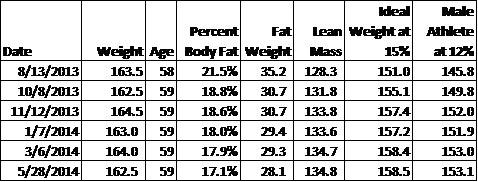
Table 5

Every month I was losing about a pound of fat and gaining a pound of lean mass. That seemed very encouraging. After a few months of watching that trend, I even raised my target. I started to ask, “Wouldn’t it be cool to get six-pack at sixty?” I have never had six-pack abs before. Why not? May be 12% body fat would do it.

And, then starting beginning of year, the progress sort of plateaued. In April, I added to my weekly workout routine Joe Dillon’s power walks with weights about three days a week. And, I started to make a very gentle progress again.

About then, I did some blood work and found out that my testosterone was low. Aha, may be that was the reason my progress had stalled! I theorized. Low-T and elevated estradiol wreaks havoc on lean mass for muscle. “Man boobs” are signs of low-T and elevated estradiol in men. Health literature is quite sure about this, e.g., check out, Testosterone for Life: Recharge Your Vitality, Sex Drive, Muscle Mass, and Overall Health by Abraham Morgentaler, MD.

So, I started to work on that through herbal supplements, which is still work-in-progress and another story for another day. Joe Dillon recommends getting that test up-front, which I did not do, so I did not really have any baseline numbers to compare.

About a month ago, I saw an exercise program by Shawn Phillips, who is a world class body sculptor. He called this program, Muscle Mania – a program made up of intense workouts, one muscle a day, every single day for 21 days. His promise was add 4 pound of muscle mass in 21 days.

I talked to our trainer Saleem and my wife Kimberly. Both were encouraging and we went for it. Starting July 16th, for the next 21 mornings, under Saleem’s coaching Kimberly and I worked out. (Actually on day 20, I did not feel well, so we skipped a day and finished the program in 22 days). For 21 days, we bombed one muscle group every morning: chest, biceps/triceps, legs, back, shoulders in whatever order and with whatever exercises the program recommended. Some days, I felt totally exhausted, some days very energized. But we pushed through it and finished the program as intended.

My right shoulder stiffened up a little during one of the bench press exercises. So, I started using the foam roller for rolling. Found it to be incredible beneficial. From then on, I incorporated about 10 minute of rolling as part of the warm up routine. Jeffry S. Life, MD Ph.D. in his book, “The Life Plan: How Any Man Can Achieve Lasting Health, Great Sex, and a Stronger, Leaner Body” recommends rolling for warm-ups and flexibility by working on the fascia.

So, here is the result.

Table 6

As of August 9, if I am measuring, it correctly (Kimberly did the measuring wherever I can’t reach), I have achieved 15.1% body fat! And, as the table shows my weight of 161.0 is the same as ideal weight of 160.9 at 15% body fat.

I did not really do the measurements before and after the 21-day program. But no doubt, I made most of this progress between May and August during the 21-day program. During this period, I lost 4 lbs. of body fat and gained 2 lbs. lean mass.

And, I can see hints of my six-pack! It seems like 12% body fat will surely make my abs visible.

So, there you have it – the story of my chase for 15% body fat and in turn for my ideal weight.

I definitely, feel more energized. This has also brought my cholesterol in line. I quit taking Lipitor last year in May, the same time I started this journey. And, the most recent blood work showed total cholesterol of 145, LDL of 88, HDL 43 and Triglycerides of 69. That is the best it has been even with Lipitor!

To continue the progress, for the near future, Kimberly and I are planning on two days of strength/resistance training, two days of some aerobics including power walks and two days of Bikram Yoga for flexibility, balance and cleansing the internal organs.

What are your thoughts or comments on this whole endeavor?

If any of this helps you or inspires you to take on some health challenge, I would love to hear about it and/or answer any questions you may have.

Post #18 – How to measure wellness or vitality?

21 Monday Jul 2014

Posted by purposelyliveto120 in Optimal Health, Uncategorized, Vigor, Vitality, wellness

≈ Leave a comment

“So, how are you feeling?” my trainer always asks me before we start any work out session.

“How are you?” We ask each other all the time.

Checking-in at Vistage, a CEO group that I belong to, we always rate our health and personal state from scale of 1 to 10 and then describe to the group what is happening in our lives for us to rate it that way

“So, how does one define health or wellness” is a question that frequently comes up when I get into such conversation with people.

Is it lack of aches or pains, becoming free of medicines, being not flagged for any biomarkers in the results of our blood work by being within the range, not huffing and puffing while going up the stairs at the office or home? Or, is it being in some higher state of vitality?

Some people are satisfied with answers like, “Okay”, “Pretty Good”, “Great”, or “Stressed”.

But that is not very satisfying, if you are like me and believe in the old adage, “You get what you measure”.

My personal goal is to physically and emotionally live in a state of 9 or 10 at least 90% of the time, 10 being the most desirable state.

So, is there a quick and easy way to quantify such subjective measures?

I will talk about two different methods.

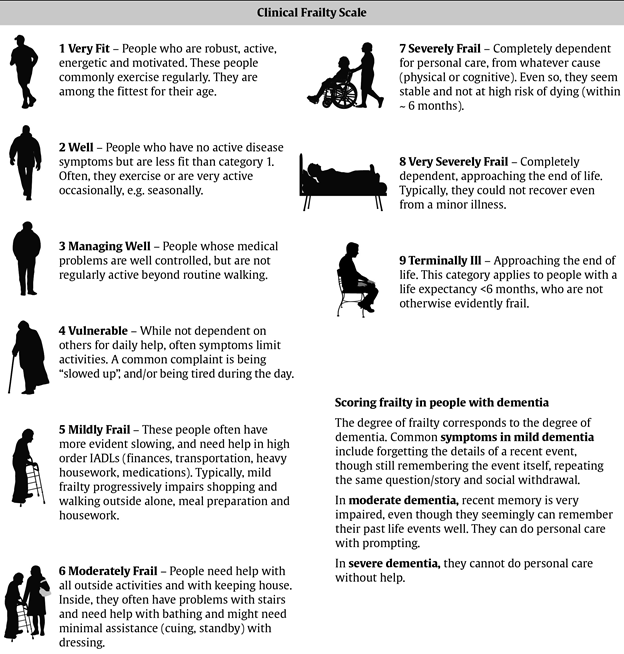
The first is an observational evaluation based on a 9-Point Clinical Frailty Scale developed by the Canadian Study of Health and Aging. This scale, shown below, is actually used in geriatric evaluations and research in Canada. (In this scale 1 is most healthy and 9 is least healthy). I find the descriptions of various levels quite telling and fairly precise.

Clinical Frailty Scale

The second one is my favorite. I came across this method many years ago, when I was evaluating the impact of some super green algae based supplement. Along with the supplement, the company sent me a journal to daily record my physical and emotional state. And, then to see for myself, if the supplement did any good.

Here I have changed some of the labels slightly and recalibrated the scale to go from 10 to 1.

Health Scale

So, for me personally, if I want to check in with myself and see where I am, this is the scale I like to use.

If I am not at 9 or above, then I can quickly analyze the root cause, the solutions and then take action to get back to 9 or above.

This is also very useful to assess the impact of any lifestyle changes, exercise, yoga, dietary changes, supplements, etc., to track physical and emotional health over a certain period.

What about you, do you think it is a useful exercise to measure or calibrate where you are physically and emotionally and track it?

How do you measure where you are physically and emotionally?

I would love to hear from you.

Post #17 – Is meditation an effective antidote to stress?

13 Sunday Jul 2014

Posted by purposelyliveto120 in Biomarkers for Stress, Living to 120, meditation, Optimal Health, Reversing Chronic Diseases, Stress, TM

≈ Leave a comment

30 years ago when I co-founded A&T Systems, Inc., I would passionately talk to others in general conversations about the company and its future possibilities. Which, of course, I still do today. No surprise there. But one thing I found surprising were the comments I would get pretty frequently in response, such as: So how would you handle stress of running a business?, or you want to have a heart attack at young age?

So, when one day in 1986, I saw a commercial on a local TV station, about Transcendental Meditation (TM) and how that was an indispensable tool for managing stress, I quickly signed up for an introductory meeting. At the meeting, the organizers served up lots of evidence on how TM helps manage and reduce stress.

My wife, Kimberly, and I were both sold. We signed up right there. That weekend, we learned the TM technique and were told to do the meditation for 20 minutes twice a day. There were three follow up sessions on the following three days in which the teacher explained the theory behind the practice and answered the questions as they arose through the experience of actually doing the meditation. In these sessions, the teacher also did ‘checking’, a process whereby the teacher makes sure that we are practicing the meditation correctly.

After these initial sessions, we went for checking after a couple of weeks, then couple of months and then once a year and then every few years.

We immediately started to notice some changes in our lifestyle. Before learning TM, after work, I used to come home and grab a beer, turn on the TV and unwind. Now, I would come home, do TM and find that I no longer felt the need or desire for a beer. For Kimberly it was not as much beer in the evening, but a cup of coffee first thing in the morning to get going. After starting TM, she would wake up, do TM and then not feel the need or desire for a cup of coffee. She also noticed that the number of cups of coffee she used to drink in a day went down dramatically.

Along the way, we learned that TM is one of the most researched meditation techniques. There are over 350 peer-reviewed research studies. Through this research, there is plenty evidence of the efficacy of the TM for managing stress and a host of other biomarkers for stress, many of those I discussed in the last post. The following are just a couple of examples from the TM website page, Proven effective for stress and anxiety.

Effective for Stress and Anxiety v2

Decresed Cortisol

Recently, many celebrities have started to talk about and promote TM, e.g., Oprah, Seinfeld, Ellen Degeneres, some of them from their personal experience of having practiced TM for many years.

But I am an experiential kind of guy, always asking the question, “But will it work for me?” From my personal experience, I can unequivocally say that it is an indispensable tool to be able to handle stress.

There are days that I get home from work in the evening, when just looking at me Kimberly would says, “You look tired and hungry. Why don’t you eat something right away?” And, I would tell her that I need TM worse than I need food. I just do a 20 minute of TM and then I am refreshed and good to go until bed time.

If anyone talks of being under stress all the time, they usually hear from me about the TM. I recommend TM without any reservations. Because of my proselytizing, In my immediate and extended family, everyone has learned TM – our sons, my brothers, my sister, and their children. I am not sure everyone does TM as regularly as I do, but they all have this tool that they can fall back upon. Our sons and nieces have mentioned of TM being very helpful in dealng with their  college stress.

I have been so impressed with the TM that I have actually gone and learned advanced methods, beyond the basic TM technique that I learned in 1985. I learned what is called Advanced Technique. I have also learned a process of TM that is called TM Sidhi, which requires much more commitment of time and money. TM Sidhi learning culminates into techniques for Yogic Flying, where you offer intention and your body lifts off from the ground.

Of course, there are many other types of mediation. However, I have only incidental or superficial knowledge and experience of these, especially their role in stress management. I am not really able to talk about those with any authority or offer any guidance.

Recently, I have been exposed to a type of meditation called Mindful Meditation. This type of meditation is being taken up in medical schools and universities such as UCLA, and is subject of research for stress reduction and management.

What is your experience with meditation?

Have you found meditation useful method for managing stress?


Post #16 – What is stress really and why is it bad for longevity and health?

22 Sunday Jun 2014

Posted by purposelyliveto120 in Aging, Biomarkers for Stress, Life-Span, Optimal Health, Stress

≈ 1 Comment

Tags

Biomarkers, Cholesterol, Chronic Disease, Health Span, Life Span, Stress

Stress has become such a common buzz word. We all talk about it. We generally know it is bad for us. It is constantly in the news.

There are exceptions though. Some believe that stress is good, arguing that if you take away the stress you take away the motivation and drive.

But whenever I get into conversation with someone and start to dig a little deeper with questions like, “So, what do you think is stress?” “Why do you think that stress is bad?” Why do you think it is good?” Or, “How do you deal with stress?” The subject becomes very squishy, very quickly.

Even Hans Selye, the person who originally coined the term stress in 1936 in the context of health and spent life-time studying it, at one time threw up his hands and declared, “Everyone knows what stress is, but no one really knows.”

So, let us take the first question first, what is stress, any ways.

Webster’s Dictionary defines Stress as “a state of mental or worry caused by problems in your life, work, etc.”; or, “something that causes strong feelings of worry or anxiety”

According to the American Institute of Stress, another popular definition of stress is, “a condition or feeling experienced when a person perceives that demands exceed the personal and social resources the individual is able to mobilize.”

Few useful concepts, while talking about stress are:

Acute Stress: Fight or flight. The body prepares to defend itself. It takes about 90 minutes for the metabolism to return to normal when the response is over.

Chronic Stress: The cost of daily living: bills, kids, jobs…This is the stress we tend to ignore or push down. Left uncontrolled this stress affects our health- our body and our immune system. This is the type of stress that causes wear and tear on our bodies and can impact health and longevity.

Eustress: “Good stress” in daily life that has positive connotations, e.g., marriage, promotion, child birth, winning money, new friends, graduation

Distress: “Bad stress” in daily life that has negative connotations, e.g., divorce, punishment, injury, negative feelings, financial problems, work difficulties.

So, from  the point of view of theses definitions, the stress is really a subjective concept, based on how we perceive a thing or an event. The same event or activity, say a roller coaster ride, could be a eustress (good stress) for one person and distress for another. This is why psychologists or mental health practitioners often get involved in diagnosing and helping cope with chronic stress.

Although stress is a subjective concept, the impact on our bodies is often very objective and real. We have all experienced the rising of hairs on the back of the neck, the sweats, tension in our gut, racing of heart, dilating of pupils, and pumping of blood in our face, arms and legs.

As the following figure shows, stress starting in mind, causes, a chain reaction of neurological, chemical and biological processes. (Figure is taken from a presentation,Why Stress Is A Far More Important Cause Of Coronary Disease Than Cholesterol, by Paul J. Rosch, M.D., F.A.C.P. President, The American Institute of Stress)

Effects of Stress

Physiological effects of most acute stress events subside about 90 minutes after the conclusion of the stress event. Body returns to normal homeostasis or biological equilibrium.

However, it is the repeated acute stress events or chronic stress that are real cause for concern and take toll on our bodies. The results of such chronic stress can be objectively measured from a host of biomarkers that include (from Biomarkers of Chronic Stress, by Laalithya Konduru):

  • Metabolic Biomarkers: Cholesterol, Albumin, Waist-to-Hip Ratio, Glycosylated Hemoglobin
  • Immunological Biomarkers: IL-6, TNF-α, CRP, IGF-1
  • Neuroendocrine Biomarkers: Cortisol, DHEA, Adrenaline, Noradrenaline, Dopamine, Aldosterone
  • Certain Metabolites, chemical figure prints of cellular processes
  • Modifications in Mitochondria
  • Induction in the Brain of DRR1, a tumor suppressor gene

Most of us recognize some of these biomarkers. Others are quite esoteric. In any case, from this list, it does not take a neuroscientist to figure out that chronic stress can mess with a number of things that are key to our health: insulin, cholesterol, hormones, our immune system, can cause inflammation, reduce energy level in the body and impact working of our brain.

Looks like a real important subject to me, if we want to live healthy life free of chronic diseases for an optimal life span.

What do you think? How do you fee about stress?

In a future post, I would like to explore some anti-dotes to chronic stress

Post #15 – Is taking multivitamin and supplements helpful, harmless or harmful?

08 Sunday Jun 2014

Posted by purposelyliveto120 in Aging, Optimal Health, Vigor, Vitality

≈ Leave a comment

Tags

Multivitamins, optimal health, Supplements, Vitality

So, my son Dan visited us over the last weekend. He is 22, generally eats well, is in great health and has no health issues whatsoever. As he watched me taking my multivitamins and a handful of supplements he asked, “What is all this stuff you are taking Dad? Should I be taking any of this stuff for optimal health?”

So, here is what I told Dan.

Through all my reading and learning, I have come across all three points of view on multivitamins:

  1. Unless you have deficiency in some vitamin or mineral, you don’t really need to take daily vitamins and mineral supplements. If you do, they just get secreted out of the body in urine. So, by taking multivitamin as supplements, all you get is expensive urine.
  2. You have to be careful very careful with the supplements. They can actually cause harm to your body. For example, have you not heard about the study about taking too much antioxidants is harmful?
  3. To get all vitamins and minerals, you really need to eat all the various foods during the week. Besides, many of our fruits and vegetables are depleted of nutrition due to the present day methods of farming. Moreover, there are many studies that demonstrate effectiveness of the many supplements in Optimal Daily Allowance, which can be significantly more than the minimum Required Daily Allowance (RDA). So, not only one should take multivitamins every day, but make sure to take based on optimal daily allowance.

I have come to subscribe to number 3, i.e., for optimal health we must take daily optimal quantity of multivitamins and minerals.

While there is no shortage of material out there discussing this topic, I would briefly share here some information and sources that have influenced my thinking.

Kimberly and I attended a presentation by Chris D’Adamo, Ph.D., Assistant Professor and Director of Research at Center of Integrative Medicine at the University of Maryland, School of Medicine, in Baltimore, MD. I found his presentation, D’ADAMO – Supplementing Your Dietary Supplement IQ – 2013 to be very objective and informative. He discussed each vitamin and mineral, their impact on health, the required and optimal intake and sources from which we get those. And, culturally, do we get sufficient quantity or not. Bottom line: Consider taking the following: Multivitamin, Vitamin D, Omega-3 Fatty Acids and Probiotics. Add other supplements for specific issues as needed.

Pretty much the same conclusion is described in “Blood Sugar Solution”, by Dr. Mark Hyman, “The Life Plan: How Any Man Can Achieve Lasting Health, Great Sex, and a Stronger, Leaner Body”, by Jeffry S. Life M.D. Ph.D., and in The Joe Dillon Difference, by Joe Dillon.

The next question is which brand. Should I just go to Safeway, Giant, Cosco and pick the cheapest multivitamin? Is there difference between any of these brands?

Before you pick a brand, I advised Dan, you need to do some research, since there are no guidelines or standards or compliance audits for supplements.

Multivitaminguide compares and ranks multivitamin brands. ConsumerLabs also tests supplements and assigns Approved or Not Approved designations. These websites claim they have tested brands for composition, bioavailability, safety and potency.

From the Multivitaminguide check out the top five. Some of them have extensive information on what is in the capsules and why. For example, two of the top five brand websites, Xtend-life and LifeExtension, describe in detail not only the different ingredients, but also cite research studies from where they derive the reasons for including a particular ingredient as well as the quantity of the ingredient.

National Institute of Health, Office of Dietary Supplements is also a great place to get educated on this subject.

You will also notice that in addition to the basic 26 vitamins and mineral, some multivitamins on the list (including the ones from Xtend-life and LifeExtension) have other ingredients, e.g., green tea extract, Lycopene (from tomatoes, alfalfa extract etc. So, that becomes another consideration in selecting a multivitamin. Do you want to add these other ingredient, “everyone” is talking about being important for wellness, curcumin, ginger, turmeric, resveratrol (from Red wine) and so many others.

Given all this information, what would I recommend? Just like Dr. D’Admo recommends: a good multivitamin, omega-3’s, vitamin D and probiotics as a baseline. Then add specific supplements that you may need due to specific health condition.

These days, I am taking the following:

  1. Xtend-life Men’s Total Balance Premium. Comes in 7 capsule a day
  2. Xtend-life Omega 3 / QH Ultra. 4 capsules a day.
  3. Nature’s Bounty 1200 mg Flaxseed Oil Softgels. 2 capsules a day
  4. Vitamin D3 2000 mg. One capsule a day
  5. Raw Probiotics – Ultimate Care. One capsule a day. Just today ordered for the first time.
  6. Nature’s Plus – Extended Release 600mg Red Yeast Rice. 2 capsules a day for managing my cholesterol.
  7. Now Foods Calcium Citrate Plus Caps 600mg, 2 a day for bone health.
  8. Cosamin ASU Active People Capsule. 2 a day for joint health
  9. Male Rejuvinator. 3 capsules a day for Prostate Health
  10. Life Extension Super MiraForte with Standardized Lignans. 4 capsules a days. Added recently to restore Testosterone level – indicated as low by blood work. Too early to say if it works.
  11. Miracle Phytoceramides. One capsule a day. Another experiment for healthy moist skin and wrinkle prevention.

So, based on my experience, I advised Dan to read up some of the related literature and start with the following:

  1. Xtend-life Multi-Xtra. $18.95 + 4.49 shipping from Amazon or Xtend-life.com. 2 capsule a day.
  2. Xtend-life Omega 3 / DHA Fish Oil. $17.95 + 4.49 shipping from Amazon or Xtend-life.com. 2 capsules a day.
  3. Nature’s Bounty 1200 mg Flaxseed Oil Softgels. $8.95 from Amazon. 1 capsules a day
  4. Nature’s Bounty Vitamin D3 2000 mg $11.52 from Amazon for 240 capsules. One capsule a day

You should take it for three months and see how you feel. Then may be stop taking it for a week or two and see how you feel. Based on that comparison you should be able to see for yourself if it is worthwhile for you to keep taking these.

Dan told me that this was a good topic for my future blog posts. So, here it is Dan and feel free to share it with others.

What is your experience with multivitamins and supplements?

Do you have your favorite brands or supplements that have had major impact on your physical and mental health?

Newer posts →

Recent Posts

  • Post #69 – Resources I used to rehabilitate my knee: Part II – Knee Misalignment Issue
  • Post #68 – Resources I used to rehabilitate my knee: Part I – Diagnose and Fix Structural Issue
  • Post #67 – What is the Minimum Stack of Supplements to Take?
  • Post #66 – Optimal Health through Optimal Breathing
  • Post #65 – Fasting, the old new technology and panacea for Optimal Health – Part III

Recent Comments

purposelyliveto120's avatarpurposelyliveto120 on Post #66 – Optimal Health thro…
Michael Jansen Jr.'s avatarMichael Jansen Jr. on Post #66 – Optimal Health thro…
Michael Jansen Jr.'s avatarMichael Jansen Jr. on Post #65 – Fasting, the…
Sherri Boczar's avatarSherri Boczar on Post #64 – Fasting, the…
Sherri Boczar's avatarSherri Boczar on Post #63 – Fasting, the…

Archives

  • July 2024
  • June 2024
  • June 2022
  • January 2021
  • September 2019
  • August 2019
  • July 2019
  • September 2018
  • May 2018
  • February 2018
  • July 2017
  • September 2016
  • August 2016
  • July 2016
  • June 2016
  • May 2016
  • April 2016
  • March 2016
  • February 2016
  • January 2016
  • December 2015
  • November 2015
  • October 2015
  • September 2015
  • August 2015
  • July 2015
  • June 2015
  • May 2015
  • April 2015
  • March 2015
  • February 2015
  • January 2015
  • December 2014
  • November 2014
  • October 2014
  • September 2014
  • August 2014
  • July 2014
  • June 2014
  • May 2014
  • April 2014
  • March 2014

Categories

  • Aging
  • Autophagy
  • Bikram Yoga
  • Biomarkers for Stress
  • Breathing
  • Causes of Death
  • Causes of Death
  • Dying
  • Fasting
  • Functional Medicine
  • Ideal Body Weight
  • knee-pain
  • Lean Mass
  • Life-Span
  • Living to 120
  • meditation
  • Mental Health
  • Muscoskeletal alignment
  • Nutrition
  • Optimal Exercise
  • Optimal Health
  • Optimal Nutrition
  • Optimal Sleep
  • Percent Body Fat
  • Puposely Living
  • Quality of Life
  • Reversing Chronic Diseases
  • Stress
  • Supplements
  • TM
  • Uncategorized
  • Vigor
  • Vitality
  • wellness
  • Yoga

Meta

  • Create account
  • Log in
  • Entries feed
  • Comments feed
  • WordPress.com

Recent Posts

  • Post #69 – Resources I used to rehabilitate my knee: Part II – Knee Misalignment Issue
  • Post #68 – Resources I used to rehabilitate my knee: Part I – Diagnose and Fix Structural Issue
  • Post #67 – What is the Minimum Stack of Supplements to Take?
  • Post #66 – Optimal Health through Optimal Breathing
  • Post #65 – Fasting, the old new technology and panacea for Optimal Health – Part III

Recent Comments

purposelyliveto120's avatarpurposelyliveto120 on Post #66 – Optimal Health thro…
Michael Jansen Jr.'s avatarMichael Jansen Jr. on Post #66 – Optimal Health thro…
Michael Jansen Jr.'s avatarMichael Jansen Jr. on Post #65 – Fasting, the…
Sherri Boczar's avatarSherri Boczar on Post #64 – Fasting, the…
Sherri Boczar's avatarSherri Boczar on Post #63 – Fasting, the…

Archives

  • July 2024
  • June 2024
  • June 2022
  • January 2021
  • September 2019
  • August 2019
  • July 2019
  • September 2018
  • May 2018
  • February 2018
  • July 2017
  • September 2016
  • August 2016
  • July 2016
  • June 2016
  • May 2016
  • April 2016
  • March 2016
  • February 2016
  • January 2016
  • December 2015
  • November 2015
  • October 2015
  • September 2015
  • August 2015
  • July 2015
  • June 2015
  • May 2015
  • April 2015
  • March 2015
  • February 2015
  • January 2015
  • December 2014
  • November 2014
  • October 2014
  • September 2014
  • August 2014
  • July 2014
  • June 2014
  • May 2014
  • April 2014
  • March 2014

Categories

  • Aging
  • Autophagy
  • Bikram Yoga
  • Biomarkers for Stress
  • Breathing
  • Causes of Death
  • Causes of Death
  • Dying
  • Fasting
  • Functional Medicine
  • Ideal Body Weight
  • knee-pain
  • Lean Mass
  • Life-Span
  • Living to 120
  • meditation
  • Mental Health
  • Muscoskeletal alignment
  • Nutrition
  • Optimal Exercise
  • Optimal Health
  • Optimal Nutrition
  • Optimal Sleep
  • Percent Body Fat
  • Puposely Living
  • Quality of Life
  • Reversing Chronic Diseases
  • Stress
  • Supplements
  • TM
  • Uncategorized
  • Vigor
  • Vitality
  • wellness
  • Yoga

Meta

  • Create account
  • Log in
  • Entries feed
  • Comments feed
  • WordPress.com

Blog at WordPress.com.

  • Subscribe Subscribed
    • Purposely Live to120
    • Join 68 other subscribers
    • Already have a WordPress.com account? Log in now.
    • Purposely Live to120
    • Subscribe Subscribed
    • Sign up
    • Log in
    • Report this content
    • View site in Reader
    • Manage subscriptions
    • Collapse this bar
 

Loading Comments...