• About
  • Content Organized by Life-Style Choices

Purposely Live to120

~ Living to the full potential life-span with full vigor

Category Archives: Vitality

Post #46 – What is Arthritis and what can you do about it?

16 Monday Nov 2015

Posted by purposelyliveto120 in Aging, Bikram Yoga, Optimal Exercise, Optimal Health, Reversing Chronic Diseases, Vitality

≈ 2 Comments

Tags

Aging, Bikram Yoga, Chronic diseases

I often hear my contemporaries talk about pain in the knees, hands, shoulder, back. When I ask them what is going on, a common response is: “It is just arthritis.”  When I probe further about what kind of arthritis or what are they doing about it, I may get answers like:

  • No idea, have not talked to a doctor yet
  • Just have to live with it, I guess
  • Managing with pain meds
  • I could have surgery, but it is not that bad yet.

So, I thought I will go ahead and share what I have experienced and learned over the years on this topic

My ambition to run a marathon thwarted

Almost twenty years ago, I met Stu Mittleman, an ultra-distance running champion. He won the 1,000 Mile World Championship and set a new world record by running the distance (1 609.344 kilometers) in 11 days, 2 hours, 6 min. 6 sec. (Yes, that is right one thousand mile!). After winning that race, he got himself admitted to a graduate school to figure out how he did what he did.

With that knowledge and experience, he started teaching mere mortals how to run marathons.  When I met, I was so inspired, I signed up.

So, with his coaching program, I started building up my endurance. I ran my first 5K. And, then, my knees started hurting. He had no ideas on how to fix my knees.  So, I quit running.

Knees got worse over the next few years. I went to a Sports Medicine guy. He took a quick look at the X-ray of my knees and said, “Looks like arthritis. Do some physical therapy. When they are not good enough to do what you want to do, we can always go in and clean them up.”

So, what the heck is this Arthritis?

There are two excellent, very accessible resources for arthritis:  Arthritis Foundation and NIH National Institute of Arthritis and Musculoskeletal and Skin Diseases.  Per the Arthritis Foundation website:

Arthritis is very common but is not well understood. Actually, “arthritis” is not a single disease; it is an informal way of referring to joint pain or joint disease. There are more than 100 different types of arthritis and related conditions. People of all ages, sexes and races can and do have arthritis, and it is the leading cause of disability in America. More than 50 million adults and 300,000 children have some type of arthritis. It is most common among women and occurs more frequently as people get older.

Common arthritis joint symptoms include swelling, pain, stiffness and decreased range of motion. Symptoms may come and go. They can be mild, moderate or severe. They may stay about the same for years, but may progress or get worse over time. Severe arthritis can result in chronic pain, inability to do daily activities and make it difficult to walk or climb stairs. Arthritis can cause permanent joint changes. These changes may be visible, such as knobby finger joints, but often the damage can only be seen on X-ray. Some types of arthritis also affect the heart, eyes, lungs, kidneys and skin as well as the joints.

There can be many underlying causes for swelling, inflammation, stiffness and pain in the joints. For example, Rheumatoid Arthritis, Lupus, Infectious Arthritis and Osteoarthritis can all cause these symptoms, but they are all very different diseases. It is very important to figure out with the help of a doctor what you are dealing with.

Osteo-arthritis is the most common type of arthritis. Per NIH website on Osteoarthritis:

Osteoarthritis (AH-stee-oh-ar-THREYE-tis) is the most common type of arthritis and is seen especially among older people. Sometimes it is called degenerative joint disease. Osteoarthritis mostly affects cartilage (KAR-til-uj), the hard but slippery tissue that covers the ends of bones where they meet to form a joint. Healthy cartilage allows bones to glide over one another. It also absorbs energy from the shock of physical movement. In osteoarthritis, the surface layer of cartilage breaks and wears away. This allows bones under the cartilage to rub together, causing pain, swelling, and loss of motion of the joint. Over time, the joint may lose its normal shape. Also, small deposits of bone—called osteophytes or bone spurs—may grow on the edges of the joint. Bits of bone or cartilage can break off and float inside the joint space. This causes more pain and damage.

Figure Showing a Healthy Knee

Knee without damage

Figure Showing Knee with Severe Osteoarthritis

Knee with damage

A doctor friend of mine told me that when doctors don’t know what the disease is, they call it osteoarthritis.  And, that is not far from the truth. If you eliminate, other diseases that might be causing inflammation, e.g., auto-immune diseases, it is osteo-arthritis.  Underlying disease causing damage to cartilage is not known at this point – if it is not one of the other specific diseases.

So, what can you do?

Well treatment can be quite different based on the type of arthritis or the condition that might be causing the joint issues.

However, in case of osteoarthritis, which is often the most common and age related, here are the treatment options, according to NIH:

  • Exercise
  • Weight control
  • Rest and relief from stress on joints
  • Nondrug pain relief techniques and alternative therapies
  • Medications to control pain
  • Surgery

Notice that exercise is on the top of the list. As soon as most people start to feel pain in the joints, guess what do they give up? Yep, exercise.  And, what do they need most to keep ostearthritis in check? Yep, exercise.

And, that is an interesting paradox I have seen played out again and again – including with my own mother.

Back to My Knee

Having learned the theory, I took on three things aggressively:

  1. Strength training to strengthen everything involved in functioning of my knee: quads, calves, hamstrings, and stabilizers muscles and ligaments.
  2. e-cises by Pete Egoscue to realign my knee since my knees were a little pronated and that was probably the reason why running aggravated my knees.
  3. Doing Bikram Yoga to help flush out any bone spurs or lose particles
  4. Started on supplement of Glucosamine Sulfate with Chondroitin and MSM that help rebuild the cartilage. See http://www.lifeextension.com/vitamins-supplements/item03157/glucosamine–chondroitin–msm#panelSupplements.

My goal was to be pain-free when I doing lunges with free weight, squats and single leg jump ropes. And, I am happy to say that I have been able to get there.

In my last X-ray, I still noticed some bone spur and what radiologist called “mild arthritis”.   I would really like to reverse that without any surgery. So, the chase is still on.

Bottomline

  1. If you have any stiffness, swelling, inflammation, or pain in the joints, it is important to get it checked out with the primary physician and if necessary with a Rheumatologist to first figure out what are you dealing with.
  2. If it is osteoarthritis, the following is a good list in order of priority:
    1. Exercise
    2. Weight control
    3. Rest and relief from stress on joints
    4. Nondrug pain relief techniques and alternative therapies
    5. Medications to control pain
    6. Surgery
  3. If it is other than osteoarthritis, use Arthritis Foundation and NIH National Institute of Arthritis and Musculoskeletal and Skin Diseases  to study up and pursue your options.

I would love to hear your perspective on this topic.

What is your experience and knowledge from which I and others could learn?
Post #43 – What is the role of Testosterone Replacement Therapy for Optimal Health?

07 Monday Sep 2015

Posted by purposelyliveto120 in Aging, Lean Mass, Optimal Health, Percent Body Fat, Supplements, Vigor, Vitality

≈ 1 Comment

Tags

Aging

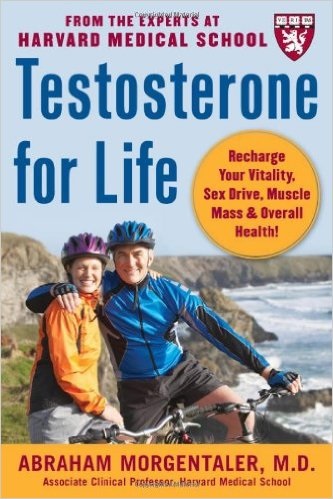
“Are you tired? Have you lost your edge, you sense of vitality, your ‘mojo’? Does sex feel like work, or maybe it does not work out any more? Is your mood blah? Have you put on a gut even though you don’t seem to be eating any more than your ever did? May be it is your age. Or maybe just maybe, you have a medical condition called low testosterone, or, as I prefer to call it low T.”

So starts the book Testosterone for Life, by Abraham Morgentaler, M.D., Associate Clinical Professor at Harvard Medical School.

Testosterone for Life

In my previous blogs, I mentioned how early last year, for the first time in my life, I did a comprehensive blood tests. I got these tests done through Life Extension Foundation. These test included all basic hormones.

Only two items showed up not within the “Reference Ranges”: A1c and Free Testosterone. With respect to the LabCorp’s reference rages, my Hemoglobin A1c value of 5.8 was too high (reference range 4.8 to 5.6), even though my fasting Glucose was 91, well within the reference range.

On the other hand, my Free Testosterone value of 5.5 was too low (Reference Range 7.2 to 24.0), while Total Testosterone, DHEA-Sulfate and Estradiol where all within the reference rage.

Now I was quite familiar with A1c, even though I expected it to be normal since my fasting glucose has always been stable around 90 during all my wellness tests.

But Testosterone I did not know anything about. So, I hit the books. The above referenced book by Dr. Morgentaler was one of the first authoritative books I read on the subject. Male Hormone Restoration is another good source. There are also many papers on this subject on NIH Pubmed, for example: The benefits and risks of testosterone replacement therapy: a review.

One of the guidance that Dr. Morgentaler and others practitioners offer is that not all low Testosterone (or Low-T) cases need to be treated. Physicians must examine low-T blood test measurements and correlate with the clinical symptoms. List of symptoms looks the same as at the top of this post for this condition called Hypogonadism:

  • Are you tired?
  • Have you lost your edge, you sense of vitality, your ‘mojo’?
  • Do you have no or low libido (desire for sex)?
  • Do you have erectile dysfunction?
  • Is your mood blah?
  • Have you put on a gut even though you don’t seem to be eating any more than your ever did?
  • Do you have difficulty building muscle mass, bone mass or gaining strength even with workouts and right nutrition?

So per recommendation of practitioners, if some combination of above symptoms exists along with low-T, boosting testosterone may be in order.

I could answer yes to several of the questions above. I had also noticed that fat loss and muscle gain had also plateaued in spite of my continued regime of workouts and nutrition. In fact, in the book, The Life Plan, Jeffry S. Life, M.D., describes how at one point in life low-T became an impediment to maintaining his body composition.

The life plan

I immediately researched and added some supplements to my regime: Miraforte from Life Extension and Male Rejuvenator from Xtend-life. Over the following six months I noticed my Free Testosterone improve as much as 70%. However, my A1c even to increase.

Concerned with trend of my A1c, about six months ago, I started working with Benjamin Gonzalez, M.D. who specializes in functional medicine and hormone replacement therapy (HRT).

After reviewing my tests, conditions and efforts, Dr. Gonzalez started prescribing Testosterone Replacement Therapy (TRT).  In fact, he like many researchers, believes that optimal testosterone levels should be on the high end of the range, close to what men in their 20s will have. This can be a source of slowing down or reversing many age related issues.

The only known downside of TRT is that it is that the supplementation is not recommended if you have enlarged prostates – although that risk is still not proven in the research. 

The treatment involved once a day regime of DHEA supplements as pills and bio-identical testosterone applied as topical cream on wrists. It took about six weeks, before the impact of TRT became apparent. I started noticing that:

  • My daily energy level and “mojo” is up
  • Sexual performance is much better
  • Libido is much improved
  • My fat loss and muscle gain has resumed.

Just last week, I did a set of follow up tests and review with Dr. G. – about six months since starting TRT and coincidental with my 61st birthday. Free Testosterone, DHEA-Sulfate and Estradiol levels are now actually higher than the high end of respective reference ranges.   As a result, Dr. G. has advised, backing down somewhat the daily amount of testosterone.

Fortunately, my wife has also chosen to undergo HRT at the same time I did to balance and optimize her own hormones.  She is also experiencing very positive results.  So, we are well matched in energy and libido.  How lucky for me!

Having gone further up, my hemoglobin A1c is back down to 5.8, but I don’t have enough data points to see if the improvement in A1c is correlated to testosterone levels. So, getting my A1c down is still an active chase for me.

In the past couple of months, I have been talking to my friends and family, especially those over 50 to get their Testosterone levels checked and pursue treatments the levels are low and they have symptoms of hypogonadism.

To bring this issue to light, many researcher have been popularizing the term Andropause, which is like menopause for women.  However, for most men, the decline of testosterone is very gradual starting in their 30s and is not a sudden event as for most women.

So, how about you? Have you had any experience with hormone replacement?

What was your experience?

I would love to hear, so I can and others learn from your knowledge and experience.

Post #41 – So, how to measure how close to optimal is your health? Or, how quickly are you aging?

19 Sunday Jul 2015

Posted by purposelyliveto120 in Aging, Dying, Life-Span, Living to 120, Mental Health, Nutrition, Optimal Exercise, Puposely Living, Vitality, wellness

≈ 1 Comment

Tags

Aging, Biomarkers, Cholesterol, Dying, Health Span, Life Expetancy, Life Span, Live to 120

“How old are you?” someone asks. Number of years since birth is the generally the answer – that is your Chronological Age or CA.

But how hold do you feel? How old do you act? How old do you look? That is your Biological Age or BA.

Wouldn’t it be nice to actually be able to measure your biological age?

CA and BA is the difference between being 40 year old and going on 60. Or, may be being 60 year old and going on 40.

Wouldn’t it be more useful to have a single number like BA, than understanding individual factors like your total cholesterol, HDL, A1c, VO2 Max, etc?

Recently, in the media there has been a buzz about a recent research published by scientists led by Duke University School of Medicine about measuring biological age. For example, see the article in WSJ: How Quickly Are You Growing Old?

Now there are a quite a few websites, where you answer a bunch of question and they will tell you, your biological age as compared to your chronological age.

For example, here are three such sites, I tried (my CA is 60.9 years):

http://www.biological-age.com/ calculated my biological age as 36

https://www.sharecare.com told me my BA was 53.6.

http://www.growyouthful.com/gettestinfo.php said my BA was 46.

Each of the sites followed up with advice and helpful hints on what I could start or stop doing to further increase my expected health and lifespan.

Unfortunately, none of these websites show exactly what they do with the information you provide and how they arrive at the number they call Biological Age.

But this recent study, “Quantification of biological aging in young adults”, by Daniel W. Belsky et al, is very rigorous treatment of this subject and gives you all the details behind the curtain. And, for me, these details are not only fascinating but actually quite useful to understand what matters for biological age to start diverging from chronological age. In other words, what slows down or speed up aging.

The study calculated the aging rate of 954 men and women—taking various measurements of their bodies’ health—when they were each 26, 32 and 38 in chronological years. By analyzing how these measures changed over time, the researchers were able to see who aged faster and who slower than normal.

To measure the pace of biological aging, which the study defined as the declining integrity of multiple organ systems, the researchers relied on 18 separate biomarkers, summarized in figure below.

These ranged from common measures such as HDL-cholesterol levels and mean arterial blood pressure to more obscure ones like the length of telomeres—the protective caps on the ends of chromosomes that shorten with age.

Go on in Years

Chronological age of all participants was 38 years. However, researchers found that the biological ages varied from 26 years to 60 years.

For measuring how fast people aged, they calculated aging over 12 years. About 30 percent aged biologically one year for every calendar year. There were those who aged as much as 3 years for every calendar year. And, there were four members of the group who aged not at all or actually got biologically younger during the 12 year period.

BOTTOMLINE:

Finding one’s Biological Age is a fascinating concept and can be very useful in optimizing health and life span. However, this is not an exact science just yet, although good strides are being made in research.

However, if you want to focus on living optimally, you can focus on changing your lifestyle to optimize the basic 18 or so biomarkers used in this study. Most of these can be impacted by lifestyle choices. Only 20% depend upon genetics.

Proper food, hydration, exercise, supplements and medical care are the key methods to managing these primary biomarkers.

Websites that compute biological ages also suggest additional actionable items that seem to strongly correlate to optimal health span and life span. These include:

  1. Optimal sleep (7 to 9 hours)
  2. Reduced stress (meditation, perspective management)
  3. Reduced exposure to toxins (organic food, reduced use of chemicals, clean water)
  4. Increased social contact (having friends, family, living with a life partner)
  5. Purposeful living (satisfying work, hobbies, social endeavors)

What is your take on this subject?

Please feel free to leave comment to share your perspective.

Post #33 – What can you do to maintain optimal health of your brain? Or, How my sons got me playing video games?

18 Sunday Jan 2015

Posted by purposelyliveto120 in Aging, Living to 120, Mental Health, Optimal Health, Vitality

≈ 2 Comments

Tags

Aging, Chronic Disease, Lifestyle, Mental Health

In most of my past blogs, I have talked about maintaining optimal physical health – staying physically fit, keeping all chronic diseases such as diabetes, arthritis, high blood pressure, cardiovascular issues and such at bay. Also, I have talked about developing, building and maintaining lean mass, strength, balance and flexibility.

But, what about the brain? How to keep brain in top shape as we age, while keeping Alzheimer disease and dementia far away from ourselves? What is in our control that we can do?

After all, living to 120 (or to whatever your target is), without full cognitive faculties won’t be much fun.

Researching this topic, I found that National Institute of Health (NIH), National Institute of Aging, has a very good chapter “The Changing Brain in Healthy Aging” in their publication “Alzheimer’s Disease: Unraveling the Mystery”. The following is excerpt from that chapter.

As a person gets older, changes occur in all parts of the body, including the brain:

  • Certain parts of the brain shrink, especially, the prefrontal cortex (an area at the front of the frontal lobe) and the hippocampus. Both areas are important to learning, memory, planning, and other complex mental activities.
  • ­Changes in neurons and neurotransmitters affect communication between neurons. In certain brain regions, communication between neurons can be reduced because white matter (myelin covered axons) is degraded or lost.
  • ­Changes in the brain’s blood vessels occur. Blood flow can be reduced because arteries narrow and less growth of new capillaries occurs.
  • ­In some people, structures called plaques and tangles develop outside of and inside neurons, respectively, although in much smaller amounts than in Alzheimer Disease
  • ­Damage by free radicals increases – free radicals are a kind of molecule that reacts easily with other molecules­
  • Inflammation increases  – inflammation is the complex process that occurs when the body responds to an injury, disease, or abnormal situation.

What effects does aging have on mental function in healthy older people?

Some people may notice a modest decline in their ability to learn new things and retrieve information, such as remembering names. ­They may perform worse on complex tasks of attention, learning, and memory than would a younger person.

However, if given enough time to perform the task, the scores of healthy people in their 70s and 80s are often similar to those of young adults. In fact, as they age, adults often improve in other cognitive areas, such as vocabulary and other forms of verbal knowledge.

It also appears that additional brain regions can be activated in older adults during cognitive tasks, such as taking a memory test. Researchers do not fully understand why this happens, but one idea is that the brain engages mechanisms to compensate for difficulties that certain regions may be having.

For example, the brain may recruit alternate brain networks in order to perform a task. Th­ese findings have led many scientists to believe that major declines in mental abilities are not inevitable as people age. Growing evidence of the adaptive (what scientists call “plastic”) capabilities of the older brain provide hope that people may be able to do things to sustain good brain function as they age. A variety of interacting factors, such as lifestyle, overall health, environment, and genetics also may play a role.

Another question that scientists are asking is why some people remain cognitively healthy as they get older while others develop cognitive impairment or dementia. Th­e concept of “cognitive reserve” may provide some insights.

Cognitive reserve refers to the brain’s ability to operate effectively even when some function is disrupted. It also refers to the amount of damage that the brain can sustain before changes in cognition are evident. People vary in the cognitive reserve they have, and this variability may be because of differences in genetics, education, occupation, lifestyle, leisure activities, or other life experiences.

Th­ese factors could provide a certain amount of tolerance and ability to adapt to change and damage that occurs during aging. At some point, depending on a person’s cognitive reserve and unique mix of genetics, environment, and life experiences, the balance may tip in favor of a disease process that will ultimately lead to dementia.

For another person, with a different reserve and a different mix of genetics, environment, and life experiences, the balance may result in no apparent decline in cognitive function with age.

Scientists are increasingly interested in the influence of all these factors on brain health, and studies are revealing some clues about actions people can take that may help preserve healthy brain aging. Fortunately, these actions also benefit a person’s overall health. Th­ey include:

  1. ­Controlling risk factors for chronic disease, such as heart disease and diabetes (for example, keeping blood cholesterol and blood pressure at healthy levels and maintaining a healthy weight) ­
  2. Enjoying regular exercise and physical activity ­
  3. Eating a healthy diet that includes plenty of vegetables and fruits
  4. ­Engaging in intellectually stimulating activities, and
  5. Maintaining close social ties with family, friends, and community

So, actions 1, 2 and 3 suggested by NIH NIA are the same as for keeping physical body fit and in good order. That is a good news!

But there are also additional actions 4 and 5 one can take, that are good to keep brain fit and in good order.

Piano Lessons at 60:

To increase my intellectually stimulating activities, as I was turning 60, I decided to start taking piano lessons. I have been very left brain focused on my intellectual pursuits – STEM or Science Technology, Engineering and Math education. So, I figured, it is high time I did something to develop my underused right brain. And, there is a lot of evidence in research of the benefits of learning music on the brain.

For the last six months, I have been finding piano lessons very pleasurable and at the same time very intellectually and physically demanding. One half-hour lesson a week and daily practice of half hour to an hour, is what it takes for me learn and get comfortable with a piano piece my teacher introduces in the lesson. Initially it was just one piece from the “techniques book”, for the last few weeks, there is an additional piece from a popular “songs book”. All this piano playing got be doing something good for my brain, since week after week, it seems that I am learning with my brain and in my muscles new stuff.

How my sons got me playing video games:

Until now, I have completely resisted playing video games.

For Christmas, our twin sons, Daniel and Justin, gave us a present of family membership to Lumosity. Lumosity exploits research to-date in neuroplasticity. Research has found that certain types of activities may impact the brain more than others. It’s believed that as an activity is repeated, the brain tends to fall back on the same set of existing neural pathways. To continue changing, the brain must be exposed to novel, adaptive experiences that challenge it to work in new ways.

Drawing on this idea, Lumosity is designed to give each person a set of exercises that challenge their cognitive abilities.

Lumosity “games” are based on a combination of common neuropsychological and cognitive tasks, many of which have been used in research for decades, and new tasks designed by an in-house science team. Working with experienced game designers, Lumosity neuroscientists have transformed these tasks into over 40 challenging, adaptive games.

Lumosity’s game-based training program is designed to expose your brain to gradually increasing levels of challenges, adapting game difficulty to your individual ability level. As your scores increase, you may encounter new or more difficult games. Modeled from the concept of a physical personal trainer, Lumosity pushes you to operate at the limits of your abilities and stay challenged.

They also report measures of your performance, so you can see how you are improving in speed, memory, attention, flexibility and problem solving and how you compare with others in your age bracket. A metric called LPI is a consolidated metric of these five factors. Also, you can use a test called Baseline Test to see how the scores translate to other situations you don’t play in the games.

I have been playing these games for two weeks now. It is definitely fascinating, how various skills of speed, memory, attention, flexibility and problem solving improving. With this rate of progress, who knows, I may get good enough to play some video games against Justin and Daniel!

What are your thoughts on this subject of keeping brain fit and in optimal shape?

What strategies or techniques do you use to keep you brain fit?

Please leave a comment in the blog; I would love to hear from you.

Post #30 – How much and what type of exercise do you need for optimal health?

15 Monday Dec 2014

Posted by purposelyliveto120 in Bikram Yoga, Living to 120, Optimal Exercise, Vigor, Vitality, wellness, Yoga

≈ 3 Comments

Tags

living to 120, optimal health, Vitality, yoga

We have all heard exercise is important for good health.

But how much exercise and what kind of exercise, do we need for optimal health? As soon as you ask that question, the answer is not that clear anymore.

Here are some of the answers you might get if you ask around that question:

“Any exercise is better than none”

“At least three days a week, thirty minutes each day”

“More is not necessarily better”

“Start slow and then keep increasing the intensity and time”

“Three days of aerobics and three days strength training”

Most of these answers seem either arbitrary or quite useless, if you are in pursuit of  optimal health. Most of the people you ask either don’t know the answer or assume that you may not be able to handle the real answer or might get discouraged if you knew the real answer.

Just like the way I posed on question on nutrition, let me restate the question, “If there were no excuses, what should be the optimal amount and type of exercises for optimal health?”

No excuses: I am too fat, I am too slow, I don’t have enough time, I am not in shape, my — hurts, I don’t feel well enough, I am too young, I am too old… None of such excuses allowed.

There are so many options available for exercising:

  1. Aerobic Exercises – Walking, Jogging, Running, Cycling, Swimming, Hiking, Rowing, Stair Stepping, jumping rope, and so on.
  2. Cardio Exercises – Generally same as aerobic, done a little more intensely.
  3. Resistance or Strength Training – Working with free weights, body-weight exercises, working with nautilus machines, working with Kettlebells
  4. Cross-fit – Aerobic, cardio, strength training are all combined in the same sessions
  5. Balancing Exercises – Using BOSU balance trainer, medicine ball or simply using body alone
  6. Yoga/Pilates – there are many different types of yoga ranging from simple and easy postures to intense yoga practices like Vinyasa, Iyengar or Bikram yoga
  7. Stretching Exercises – to build and retain flexibility
  8. Musco-skeletal alignment Exercises – For example Egoscue eCises
  9. Breathing Exercise or Pranayama – help cleanse the body and build aerobic capacity.
  10. Endurance Training – Running longer distances for building endurance
  11. Interval Training – alternating between high and low intensity to increase capacity
  12. Rebounding – jumping on trampoline
  13. Exercise to improve reaction times – those involve catching
  14. Myofascial exercises – Rolling using foam rollers for myofascial alignment

Lots of choices. So, how do we sort through all this stuff?

It is a good question, Is n’ it?

In the process of writing this blog, I thought, as usual, I would find some additional information and also sort out information I have in my head to-date and share that knowledge.

Well, I got stuck right here while writing this blog.

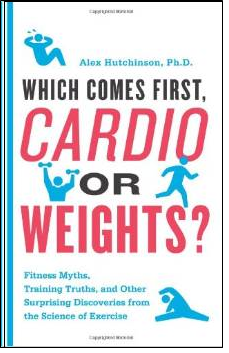
So I took a break and finished reading the book, I recently bought: “Which Comes First, Cardio or Weights? Fitness Myths, Training Truths and Other Surprising Discoveries from the Science of Exercise”, by Alex Hutchison, Ph.D.

Picture 2

The book offers answers to numerous frequently asked questions regarding exercise citing the latest in scientific research in the field of Sports Medicine. And, of course, that includes, the very poignant question on the book cover.

If you want to get to the punchline from the book, here is an excerpt from the last chapter where Hutchison offers the following as a summary:

“..Knowing is half the battle. The other half is the real challenge – putting the knowledge into practice. To that end, I hope you’ll take the following three messages from this book:

  1. Do Something rather than nothing: …if there’s one overriding theme in the research presented here, it’s that any exercise, in almost any amount, brings significant and immediate health benefits. Start doing it, and worry about getting it right later.
  2. Figure out your goals and monitor your progress: …Think carefully about what you hope to achieve in six months, a year, five years – bearing in mind the aphorism that most people overestimate what they can achieve in the short term and underestimate what they can achieve over the long term. Choose a program that will move you toward those goals and monitor your progress.. If you don’t start to see progress after 6 to 12 months, consider whether your program is appropriate for you goals.
  3. Try something new. Whenever researchers line up two or more exercise techniques against each other, the conclusion is almost never “A is better than B” or “A and B are the same”. Instead, it’s, “A has these strengths and weaknesses, while B has these strengths and weaknesses” Moreover, all programs suffer from diminishing returns after a few years… Trying something new every now and then will force your body to adapt in new ways, keep you mentally fresh.”

Well, this is not quite the answer I was searching for. But it seems to be the reality out there.

It is also a good working strategy. And, is pretty close to the one I have personally been following.

What do you think?

What are your thoughts on this topic?

I would love to hear from you.


Post #28 – Eating for Optimal Health Part VII – Best beverage to drink is pure water

16 Sunday Nov 2014

Posted by purposelyliveto120 in Ideal Body Weight, Lean Mass, Life-Span, Living to 120, meditation, Nutrition, Optimal Health, Optimal Nutrition, Reversing Chronic Diseases, Vitality

≈ 3 Comments

Tags

Chronic Disease, Headache, Live to 120

In blog post of 9/29/2014: So, what should you eat for optimal health?, I listed the seven basic principles I have extracted from the many diet books and resources I have studied. These principles are:

  1. What you eat, how much you eat and when you eat, all matter
  2. Eat clean
  3. Eat lots of vegetables and fruits
  4. Use only healthy fats and fat sources
  5. Incorporate sufficient proteins in your diet
  6. Best beverage to drink is pure water
  7. Add or subtract specific foods based on your personal needs

In the last posts, we discussed the first five of these principles. Today, let’s focus on the fifth principle: Best beverage to drink is pure water. And, as usual without any fluff stuff, let’s get to it.

I am sure by now you have heard over and over again, “Keep yourself hydrated.” Or “Drink plenty of water”. But why do we need to keep hydrated?

Water is the solvent for biochemical reactions and has unique physical properties (e.g., high specific heat) to absorb metabolic heat within the body.

Water is also essential for maintaining vascular volume and serves as the medium for transport within the body by supplying nutrients and removing waste. In addition, cell hydration has been has been suggested to be an important signal to regulate cell metabolism and gene expression.

Water is the largest component of human bodies. About 70% of our body weight is water. To maintain homeostasis, i.e., equilibrium in our biology, we need to replenish the daily water loss. Water loss comes from breathing out, sweating, urination and excretion.

You may have noticed feeling sluggish if you are dehydrated. In fact dehydration can bring on a variety of symptoms:

Mild to moderate dehydration is likely to cause:

  • Dry, sticky mouth
  • Sleepiness or tiredness — children are likely to be less active than usual
  • Thirst
  • Decreased urine output
  • No wet diapers for three hours for infants
  • Few or no tears when crying
  • Dry skin
  • Headache
  • Constipation
  • Dizziness or lightheadedness

Severe dehydration, a medical emergency, can cause:

  • Extreme thirst
  • Extreme fussiness or sleepiness in infants and children; irritability and confusion in adults
  • Very dry mouth, skin and mucous membranes
  • Little or no urination — any urine that is produced will be darker than normal
  • Sunken eyes
  • Shriveled and dry skin that lacks elasticity and doesn’t “bounce back” when pinched into a fold
  • In infants, sunken fontanels — the soft spots on the top of a baby’s head
  • Low blood pressure
  • Rapid heartbeat
  • Rapid breathing
  • No tears when crying
  • Fever
  • In the most serious cases, delirium or unconsciousness

Many diseases are linked to dehydration. These include kidney stones, gall stones, bladder, colon and other cancers, arrhythmias, blood clots, Mitral Valve Prolapse, and Osteoporosis.

How much water do we need?

So, given that we need to keep body hydrated, that is, replace the H2O we lose daily with equivalent amount of H2O, how much water do we need everyday?

Institute of Medicine of the National Academies report on Dietary Reference Intake for Water, Potassium, Sodium, Chloride and Sulfate recommends the following DAILY Recommended intakes for water for different age groups:

For Children

1–3 years         1.3 L total; 0.9 L (4 cups) as beverages

4–8 years         1.7 L total; 1.2 L (5 cups) as beverages

For Males

9–13 years       2.4 L total; 1.8 L (8 cups) as beverages

14–18 years     3.3 L total; 2.6 L (11 cups) as beverages

Over 19 years   3.7 L total; 3.0 L (13 cups) as beverages

 For Females

9–13 years       2.1 L/day of total water; 1.6 L (7 cups)

14–18 years     2.3 L/day of total water; 1.8 L (8 cups)

Over 19 years   2.7 L total; 2.2 L (9 cups) as beverages

Pregnant and Lactating women are exception and will need even more for each respective age group.

Can you drink too much water?

In very unusual circumstances, excess consumption of water and low sodium intake may lead to excess body water, resulting in hyponatremia and cellular edema. This condition comes from body getting too low in sodium rather than too much water.

What are the sources for water?

So, given that we need to keep body hydrated, that is replace the H2O we lose daily with equivalent amount of H2O, where do we get it from and where should we get it from?

Well first of all we do get a little bit of it when the body oxidizes hydrogen-containing substances during metabolism or energy production cycle. This water, called Metabolic Water is generally enough to offset the water we breathe out as vapors.

Rest of the water comes from what we consume, i.e., the stuff that crosses our lips. Of course, if you are taking nutrients intravenously (as saline solution or glucose solution in a hospital) that also counts.

All foods, especially, fruits and vegetables contain water. Beverages Coffees, tea, ice tea, milk, sodas, juices, beer all contain water. Institute of Medicine of the National Academies report on Dietary Reference Intake for Water, Potassium, Sodium, Chloride and Sulfate has the following table on daily water intake from a 2,200 calories daily diet. (Please click on the graphic below if it is not readable)

Table

NOTE: This diet meets the Adequate Intake or the Recommended Dietary Allowance for adult men and women for all nutrients for which one has been established (for fiber, it meets the ratio of 14 g/1,000 kcal) and provides energy nutrients within the acceptable macronutrient distribution ranges. Nutrient totals may not equal the sum of the parts, due to rounding. Vegetables prepared without salt.

Food composition data: U.S. Department of Agriculture, Agricultural Research Service, Nutrient Database for Standard Reference, Release 16.

DATA SOURCE: ENVIRON International

So, what is the optimal source of hydration?

When I came to the US, 37 years ago, I somehow created associations that beer is the only drink that really goes with pizza and at McDonald’s you always ate hamburger with French fries and Coke. I don’t know how those associations happened, since I did not eat pizzas or McDonald’s’ hamburgers before coming to the US. I guess it was from watching all those TV commercials or just mimicking what everyone else around me was doing.   In fact, it was four years later that watching a friend of mine, I learned that you could actually ask for water at McDonalds.

Fruits and vegetables are definitely good sources for water. Other than getting water from food, what about beverages? Are all beverages, coffees, tea, ice tea, milk, sodas, juices, beer, and wine as good a source of water?

Given the western culture, the answer could be quite confusing.

In research literature, there seems to be some controversy about whether coffee and alcohol are only transitional diuretics or permanent diuretics. Some say that caffeine and alcohol actually cause dehydration. Others disagree.

And, the citrus industry convinced us over two decades ago that “orange juice is not just for breakfast anymore”, so we should be  drinking that all day long.

Coke and Pepsi, of course, promise us sex and happiness.

“Got Milk” teaches us that all the hip people drink milk and it is a fun drink and of course, it is the only source of calcium out there.

Beer is the real beverage to quench thirst, besides it gets us sex and popularity.

Wine is definitely one for sophisticated people and of course makes us live longer.

All this just to get people to drink their stuff to get hydrated! So, what is one to do?

I tend to agree with Joe Dillon, who likes to say, “Just because it is wet, does not mean it will hydrate you.”

Bottom Line

My take on all this is to ask the basic question: when I drink a beverage for hydration, do I want the collateral stuff?

Whether it is caffeine, or alcohol, or sugars or artificial sweeteners, or artificial colors, or whatever else,  if I do want the collateral stuff, then the particular beverage at that moment is an acceptable, desirable or even a good source of hydration. If not, I rather just drink water.

And, in most of the situations, when I am looking to hydrate myself, I rather go directly to the source of hydration that my body is ultimately looking for, which, of course, is Water.

What do you think of this approach?

Do you feel that this simplifies the confusion about water and hydration?

Do you see a hole in this approach? What would you do differently?

Post #22 – So, what should you eat for optimal health?

29 Monday Sep 2014

Posted by purposelyliveto120 in Aging, Nutrition, Optimal Health, Puposely Living, Vitality, wellness

≈ 2 Comments

So, what should you eat for optimal health? – Part I

That is the million dollar question. Isn’t it? This is such a big and controversial topic that so far I had dared not touch it. There is so much information out there on this topic. It is mind boggling.

Let us start from a simple premise.

Let’s assume for a moment that you can get over all the excuses like: I don’t like the taste of it, or I am a vegetarian, or I cannot live without meat, or but that’s the way I was raised, or but I travel too much, or, I don’t have time to eat healthy, etc., etc., etc.

If the only objective was optimal health and you could follow whatever diet or nutritional plan was optimal, what should you eat?

Well, that is the question I have been asking and answer I have been searching for quite a while now.

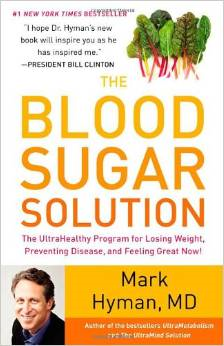
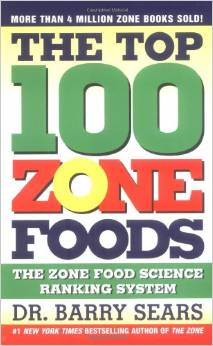
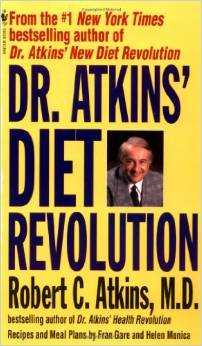
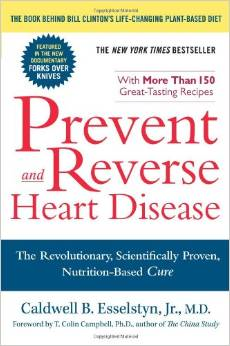
Here is a sampling of the books I have read, in no particular order, looking for the answer:

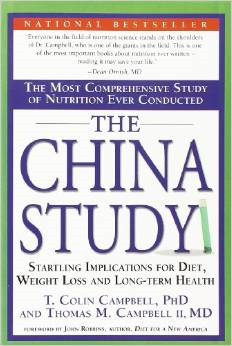
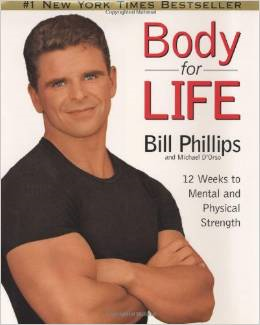
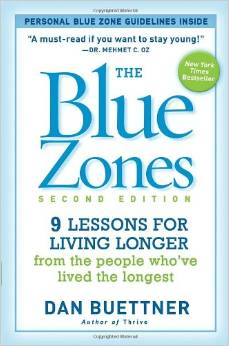
The South Beach Diet The Perfect 10 Diet The Life Plan The Top 100 Zone Foods The Disease Dillusion The China Study The Body For Life The Blue Zones The Blood Sugar Solution The Top 100 Zone Foods Dr. Atkins DietPrevent and Reverse Heart DiseaseThe Joe Dillon DiferencePower Foods

All of these books have their specific points-of-view.

Some of these advocate vegetarian or vegan food.

Some recommend high protein.

Some recommend low carbs.

Some balanced meals.

Some advocate very low amount fats.

Some recommend saturated fats. Some don’t.

Some focus on eating simple foods.

Some focus on sugar management.

Some say track (count) calories.

Some say don’t bother with calories counting.

So, what is one to do?

It is so easy to get lost in trees or the nuances of different food paradigms.

While there are so many things these books don’t agree on, there are also a lot they all do agree on.

Looking for what they do agree on, here are some basic principles I have extracted from these and other books and resources:

  1. What you eat, how much you eat and when you eat, all matter
  2. Eat clean
  3. Eat lots of vegetables and fruits
  4. Use only healthy fats and fat sources
  5. Incorporate sufficient proteins in your diet
  6. Best beverage to drink is pure water
  7. Add or subtract specific foods based on your personal needs

Over the next posts, I plan to take each of these items one at time and share my thoughts. For now, I would like to hear your feedback on this list of basic principles.

Have you seen any diet book or nutritional studies that violate any of these basic principles?

Do you think there should be other basic principles to add to this list?

Post #20 – So, how much muscle can you gain in a short period and why you may want to?

10 Sunday Aug 2014

Posted by purposelyliveto120 in Aging, Bikram Yoga, Biomarkers for Stress, Ideal Body Weight, Lean Mass, Life-Span, Living to 120, Optimal Health, Percent Body Fat, Vitality, wellness, Yoga

≈ Leave a comment

In most health literature, one thing I find repeated over and over again is that muscle or lean body mass is a very important factor for health and longevity.

When I heard from Joe Dillon about 15 months ago a concrete technique to lose body fat and gain muscle mass, I got inspired. Although, I had generally been keeping track of my weight, up until then I had never really thought of tracking or targeting body fat and lean mass directly.

More I studied this topic, the more it all made sense. Weight and Body Mass Index (BMI) are just proxy for tracking body fat and lean mass, which are what really count. It is the body fat that is harmful and it is the lean mass that is helpful – and both in so many different ways. And, at times BMI and body fat can be very poor approximation of body fat and lean mass.

If in the process of losing weight, you lose muscle mass rather than fat, that is not a good thing at all. In fact, that can be very harmful to your health. Mark Hyman, MD talks about a term call skinny fat to describe someone who looks quite skinning, has good weight, but the weight is very disproportionately fat mass.

William Evans, Ph.D. and Irwin Rosenberg, MD in their seminal work, Biomarkers, The 10 Determinants of Aging You Can Control,” coined the term Sarcopenia, to describe a “disease” when someone lacks adequate lean body mass.

Jim Karas, in his book, The Business Plan for the Body”, calls lean mass the net worth. When he talks to business people, who understand financials, he explains weight, muscle and fat this way: weight is your total assets, fat is total debt and lean muscle mass is your equity or net worth. And, if you do nothing, starting with age 30, you lose muscle mass, about 7 lbs. per decade for men and women, and accelerating to one pound per year after menopause for women. So, if you do nothing to counteract, by the age of 60, you will have lost 21 lbs. of muscle mass and replaced with 21 plus your weight gained, since the age of 30, in body fat. Is that 31 lbs. or 41 lbs. or more of additional body fat? Yikes!

You get the idea.

Through all this studying, I found a new way to articulate that object of the game (or obsession) of weight loss, i.e., to simply target and measure percent body fat. And, Joe Dillon provided ideal targets. He feels that for optimal health men should have no more than 15% body fat, while woman should have no more than 22%. Further, he says, that the world class male athletes have body fat percent in the range of 6 to 12% and female athletes in the range of 12% to 18%.

So, instead of looking up on the BMI tables to estimate what ideal body weight should be, a precise method is:

Ideal weight = Body Fat Weight/0.15 for 15% body fat target.

Where, Body Fat Weight = Current Weight * Current % body fat

Current % body fat is measureable by taking seven different measurements with calipers and them plugging into calculator.

With all this knowledge in hand, I started my journey. On May 17, 2013, started with these measurements:

Table 4

Notice that in May 2013, at 23.9% body fat, my ideal weight was150.0 lbs. And, as it generally happens if I were to lose 17.5 lbs to get to 150.0, it will prTable 1obably not all be body fat. So, as more weight I lost lower my ideal body weight would need to be. No wonder this is a sucker’s game (or obsession)!

My goal was to lose body fat, while at the same time gain lean mass!

I changed my diet per Joe Dillon’s recommendations. Basically, took breads and sweets totally out of my meals and all processed foods, added more raw fruits and vegetables, decreased quantity of what I would eat and added about 150 grams of proteins through Whey concentrate and isolate shakes. I kept to my then most recent routine of one fitness/resistance training workout and two to three Bikram Yoga sessions a week.

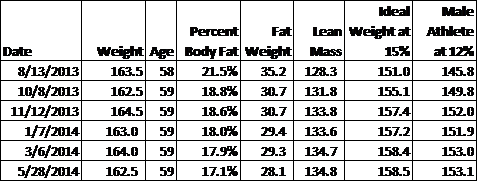
I progressed along pretty well as you can see in the table below, especially through the end of the year.

Table 5

Every month I was losing about a pound of fat and gaining a pound of lean mass. That seemed very encouraging. After a few months of watching that trend, I even raised my target. I started to ask, “Wouldn’t it be cool to get six-pack at sixty?” I have never had six-pack abs before. Why not? May be 12% body fat would do it.

And, then starting beginning of year, the progress sort of plateaued. In April, I added to my weekly workout routine Joe Dillon’s power walks with weights about three days a week. And, I started to make a very gentle progress again.

About then, I did some blood work and found out that my testosterone was low. Aha, may be that was the reason my progress had stalled! I theorized. Low-T and elevated estradiol wreaks havoc on lean mass for muscle. “Man boobs” are signs of low-T and elevated estradiol in men. Health literature is quite sure about this, e.g., check out, Testosterone for Life: Recharge Your Vitality, Sex Drive, Muscle Mass, and Overall Health by Abraham Morgentaler, MD.

So, I started to work on that through herbal supplements, which is still work-in-progress and another story for another day. Joe Dillon recommends getting that test up-front, which I did not do, so I did not really have any baseline numbers to compare.

About a month ago, I saw an exercise program by Shawn Phillips, who is a world class body sculptor. He called this program, Muscle Mania – a program made up of intense workouts, one muscle a day, every single day for 21 days. His promise was add 4 pound of muscle mass in 21 days.

I talked to our trainer Saleem and my wife Kimberly. Both were encouraging and we went for it. Starting July 16th, for the next 21 mornings, under Saleem’s coaching Kimberly and I worked out. (Actually on day 20, I did not feel well, so we skipped a day and finished the program in 22 days). For 21 days, we bombed one muscle group every morning: chest, biceps/triceps, legs, back, shoulders in whatever order and with whatever exercises the program recommended. Some days, I felt totally exhausted, some days very energized. But we pushed through it and finished the program as intended.

My right shoulder stiffened up a little during one of the bench press exercises. So, I started using the foam roller for rolling. Found it to be incredible beneficial. From then on, I incorporated about 10 minute of rolling as part of the warm up routine. Jeffry S. Life, MD Ph.D. in his book, “The Life Plan: How Any Man Can Achieve Lasting Health, Great Sex, and a Stronger, Leaner Body” recommends rolling for warm-ups and flexibility by working on the fascia.

So, here is the result.

Table 6

As of August 9, if I am measuring, it correctly (Kimberly did the measuring wherever I can’t reach), I have achieved 15.1% body fat! And, as the table shows my weight of 161.0 is the same as ideal weight of 160.9 at 15% body fat.

I did not really do the measurements before and after the 21-day program. But no doubt, I made most of this progress between May and August during the 21-day program. During this period, I lost 4 lbs. of body fat and gained 2 lbs. lean mass.

And, I can see hints of my six-pack! It seems like 12% body fat will surely make my abs visible.

So, there you have it – the story of my chase for 15% body fat and in turn for my ideal weight.

I definitely, feel more energized. This has also brought my cholesterol in line. I quit taking Lipitor last year in May, the same time I started this journey. And, the most recent blood work showed total cholesterol of 145, LDL of 88, HDL 43 and Triglycerides of 69. That is the best it has been even with Lipitor!

To continue the progress, for the near future, Kimberly and I are planning on two days of strength/resistance training, two days of some aerobics including power walks and two days of Bikram Yoga for flexibility, balance and cleansing the internal organs.

What are your thoughts or comments on this whole endeavor?

If any of this helps you or inspires you to take on some health challenge, I would love to hear about it and/or answer any questions you may have.

Post #18 – How to measure wellness or vitality?

21 Monday Jul 2014

Posted by purposelyliveto120 in Optimal Health, Uncategorized, Vigor, Vitality, wellness

≈ Leave a comment

“So, how are you feeling?” my trainer always asks me before we start any work out session.

“How are you?” We ask each other all the time.

Checking-in at Vistage, a CEO group that I belong to, we always rate our health and personal state from scale of 1 to 10 and then describe to the group what is happening in our lives for us to rate it that way

“So, how does one define health or wellness” is a question that frequently comes up when I get into such conversation with people.

Is it lack of aches or pains, becoming free of medicines, being not flagged for any biomarkers in the results of our blood work by being within the range, not huffing and puffing while going up the stairs at the office or home? Or, is it being in some higher state of vitality?

Some people are satisfied with answers like, “Okay”, “Pretty Good”, “Great”, or “Stressed”.

But that is not very satisfying, if you are like me and believe in the old adage, “You get what you measure”.

My personal goal is to physically and emotionally live in a state of 9 or 10 at least 90% of the time, 10 being the most desirable state.

So, is there a quick and easy way to quantify such subjective measures?

I will talk about two different methods.

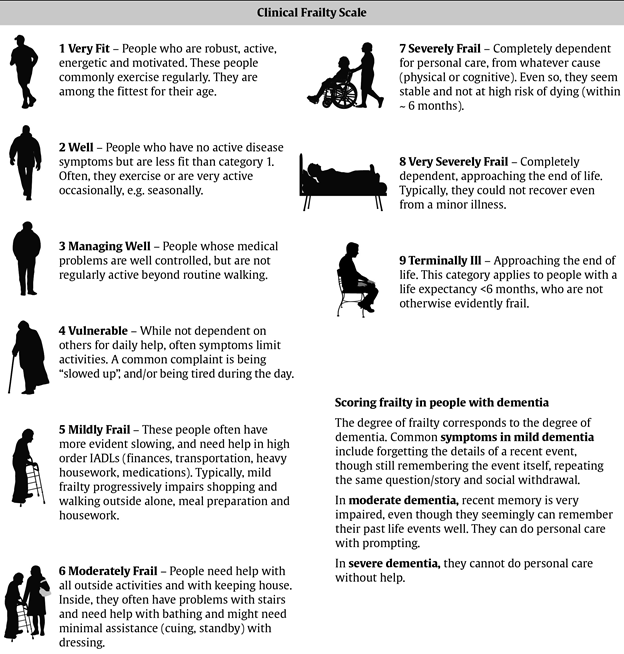
The first is an observational evaluation based on a 9-Point Clinical Frailty Scale developed by the Canadian Study of Health and Aging. This scale, shown below, is actually used in geriatric evaluations and research in Canada. (In this scale 1 is most healthy and 9 is least healthy). I find the descriptions of various levels quite telling and fairly precise.

Clinical Frailty Scale

The second one is my favorite. I came across this method many years ago, when I was evaluating the impact of some super green algae based supplement. Along with the supplement, the company sent me a journal to daily record my physical and emotional state. And, then to see for myself, if the supplement did any good.

Here I have changed some of the labels slightly and recalibrated the scale to go from 10 to 1.

Health Scale

So, for me personally, if I want to check in with myself and see where I am, this is the scale I like to use.

If I am not at 9 or above, then I can quickly analyze the root cause, the solutions and then take action to get back to 9 or above.

This is also very useful to assess the impact of any lifestyle changes, exercise, yoga, dietary changes, supplements, etc., to track physical and emotional health over a certain period.

What about you, do you think it is a useful exercise to measure or calibrate where you are physically and emotionally and track it?

How do you measure where you are physically and emotionally?

I would love to hear from you.

Post #15 – Is taking multivitamin and supplements helpful, harmless or harmful?

08 Sunday Jun 2014

Posted by purposelyliveto120 in Aging, Optimal Health, Vigor, Vitality

≈ Leave a comment

Tags

Multivitamins, optimal health, Supplements, Vitality

So, my son Dan visited us over the last weekend. He is 22, generally eats well, is in great health and has no health issues whatsoever. As he watched me taking my multivitamins and a handful of supplements he asked, “What is all this stuff you are taking Dad? Should I be taking any of this stuff for optimal health?”

So, here is what I told Dan.

Through all my reading and learning, I have come across all three points of view on multivitamins:

  1. Unless you have deficiency in some vitamin or mineral, you don’t really need to take daily vitamins and mineral supplements. If you do, they just get secreted out of the body in urine. So, by taking multivitamin as supplements, all you get is expensive urine.
  2. You have to be careful very careful with the supplements. They can actually cause harm to your body. For example, have you not heard about the study about taking too much antioxidants is harmful?
  3. To get all vitamins and minerals, you really need to eat all the various foods during the week. Besides, many of our fruits and vegetables are depleted of nutrition due to the present day methods of farming. Moreover, there are many studies that demonstrate effectiveness of the many supplements in Optimal Daily Allowance, which can be significantly more than the minimum Required Daily Allowance (RDA). So, not only one should take multivitamins every day, but make sure to take based on optimal daily allowance.

I have come to subscribe to number 3, i.e., for optimal health we must take daily optimal quantity of multivitamins and minerals.

While there is no shortage of material out there discussing this topic, I would briefly share here some information and sources that have influenced my thinking.

Kimberly and I attended a presentation by Chris D’Adamo, Ph.D., Assistant Professor and Director of Research at Center of Integrative Medicine at the University of Maryland, School of Medicine, in Baltimore, MD. I found his presentation, D’ADAMO – Supplementing Your Dietary Supplement IQ – 2013 to be very objective and informative. He discussed each vitamin and mineral, their impact on health, the required and optimal intake and sources from which we get those. And, culturally, do we get sufficient quantity or not. Bottom line: Consider taking the following: Multivitamin, Vitamin D, Omega-3 Fatty Acids and Probiotics. Add other supplements for specific issues as needed.

Pretty much the same conclusion is described in “Blood Sugar Solution”, by Dr. Mark Hyman, “The Life Plan: How Any Man Can Achieve Lasting Health, Great Sex, and a Stronger, Leaner Body”, by Jeffry S. Life M.D. Ph.D., and in The Joe Dillon Difference, by Joe Dillon.

The next question is which brand. Should I just go to Safeway, Giant, Cosco and pick the cheapest multivitamin? Is there difference between any of these brands?

Before you pick a brand, I advised Dan, you need to do some research, since there are no guidelines or standards or compliance audits for supplements.

Multivitaminguide compares and ranks multivitamin brands. ConsumerLabs also tests supplements and assigns Approved or Not Approved designations. These websites claim they have tested brands for composition, bioavailability, safety and potency.

From the Multivitaminguide check out the top five. Some of them have extensive information on what is in the capsules and why. For example, two of the top five brand websites, Xtend-life and LifeExtension, describe in detail not only the different ingredients, but also cite research studies from where they derive the reasons for including a particular ingredient as well as the quantity of the ingredient.

National Institute of Health, Office of Dietary Supplements is also a great place to get educated on this subject.

You will also notice that in addition to the basic 26 vitamins and mineral, some multivitamins on the list (including the ones from Xtend-life and LifeExtension) have other ingredients, e.g., green tea extract, Lycopene (from tomatoes, alfalfa extract etc. So, that becomes another consideration in selecting a multivitamin. Do you want to add these other ingredient, “everyone” is talking about being important for wellness, curcumin, ginger, turmeric, resveratrol (from Red wine) and so many others.

Given all this information, what would I recommend? Just like Dr. D’Admo recommends: a good multivitamin, omega-3’s, vitamin D and probiotics as a baseline. Then add specific supplements that you may need due to specific health condition.

These days, I am taking the following:

  1. Xtend-life Men’s Total Balance Premium. Comes in 7 capsule a day
  2. Xtend-life Omega 3 / QH Ultra. 4 capsules a day.
  3. Nature’s Bounty 1200 mg Flaxseed Oil Softgels. 2 capsules a day
  4. Vitamin D3 2000 mg. One capsule a day
  5. Raw Probiotics – Ultimate Care. One capsule a day. Just today ordered for the first time.
  6. Nature’s Plus – Extended Release 600mg Red Yeast Rice. 2 capsules a day for managing my cholesterol.
  7. Now Foods Calcium Citrate Plus Caps 600mg, 2 a day for bone health.
  8. Cosamin ASU Active People Capsule. 2 a day for joint health
  9. Male Rejuvinator. 3 capsules a day for Prostate Health
  10. Life Extension Super MiraForte with Standardized Lignans. 4 capsules a days. Added recently to restore Testosterone level – indicated as low by blood work. Too early to say if it works.
  11. Miracle Phytoceramides. One capsule a day. Another experiment for healthy moist skin and wrinkle prevention.

So, based on my experience, I advised Dan to read up some of the related literature and start with the following:

  1. Xtend-life Multi-Xtra. $18.95 + 4.49 shipping from Amazon or Xtend-life.com. 2 capsule a day.
  2. Xtend-life Omega 3 / DHA Fish Oil. $17.95 + 4.49 shipping from Amazon or Xtend-life.com. 2 capsules a day.
  3. Nature’s Bounty 1200 mg Flaxseed Oil Softgels. $8.95 from Amazon. 1 capsules a day
  4. Nature’s Bounty Vitamin D3 2000 mg $11.52 from Amazon for 240 capsules. One capsule a day

You should take it for three months and see how you feel. Then may be stop taking it for a week or two and see how you feel. Based on that comparison you should be able to see for yourself if it is worthwhile for you to keep taking these.

Dan told me that this was a good topic for my future blog posts. So, here it is Dan and feel free to share it with others.

What is your experience with multivitamins and supplements?

Do you have your favorite brands or supplements that have had major impact on your physical and mental health?

← Older posts
Newer posts →

Recent Posts

  • Post #69 – Resources I used to rehabilitate my knee: Part II – Knee Misalignment Issue
  • Post #68 – Resources I used to rehabilitate my knee: Part I – Diagnose and Fix Structural Issue
  • Post #67 – What is the Minimum Stack of Supplements to Take?
  • Post #66 – Optimal Health through Optimal Breathing
  • Post #65 – Fasting, the old new technology and panacea for Optimal Health – Part III

Recent Comments

purposelyliveto120's avatarpurposelyliveto120 on Post #66 – Optimal Health thro…
Michael Jansen Jr.'s avatarMichael Jansen Jr. on Post #66 – Optimal Health thro…
Michael Jansen Jr.'s avatarMichael Jansen Jr. on Post #65 – Fasting, the…
Sherri Boczar's avatarSherri Boczar on Post #64 – Fasting, the…
Sherri Boczar's avatarSherri Boczar on Post #63 – Fasting, the…

Archives

  • July 2024
  • June 2024
  • June 2022
  • January 2021
  • September 2019
  • August 2019
  • July 2019
  • September 2018
  • May 2018
  • February 2018
  • July 2017
  • September 2016
  • August 2016
  • July 2016
  • June 2016
  • May 2016
  • April 2016
  • March 2016
  • February 2016
  • January 2016
  • December 2015
  • November 2015
  • October 2015
  • September 2015
  • August 2015
  • July 2015
  • June 2015
  • May 2015
  • April 2015
  • March 2015
  • February 2015
  • January 2015
  • December 2014
  • November 2014
  • October 2014
  • September 2014
  • August 2014
  • July 2014
  • June 2014
  • May 2014
  • April 2014
  • March 2014

Categories

  • Aging
  • Autophagy
  • Bikram Yoga
  • Biomarkers for Stress
  • Breathing
  • Causes of Death
  • Causes of Death
  • Dying
  • Fasting
  • Functional Medicine
  • Ideal Body Weight
  • knee-pain
  • Lean Mass
  • Life-Span
  • Living to 120
  • meditation
  • Mental Health
  • Muscoskeletal alignment
  • Nutrition
  • Optimal Exercise
  • Optimal Health
  • Optimal Nutrition
  • Optimal Sleep
  • Percent Body Fat
  • Puposely Living
  • Quality of Life
  • Reversing Chronic Diseases
  • Stress
  • Supplements
  • TM
  • Uncategorized
  • Vigor
  • Vitality
  • wellness
  • Yoga

Meta

  • Create account
  • Log in
  • Entries feed
  • Comments feed
  • WordPress.com

Recent Posts

  • Post #69 – Resources I used to rehabilitate my knee: Part II – Knee Misalignment Issue
  • Post #68 – Resources I used to rehabilitate my knee: Part I – Diagnose and Fix Structural Issue
  • Post #67 – What is the Minimum Stack of Supplements to Take?
  • Post #66 – Optimal Health through Optimal Breathing
  • Post #65 – Fasting, the old new technology and panacea for Optimal Health – Part III

Recent Comments

purposelyliveto120's avatarpurposelyliveto120 on Post #66 – Optimal Health thro…
Michael Jansen Jr.'s avatarMichael Jansen Jr. on Post #66 – Optimal Health thro…
Michael Jansen Jr.'s avatarMichael Jansen Jr. on Post #65 – Fasting, the…
Sherri Boczar's avatarSherri Boczar on Post #64 – Fasting, the…
Sherri Boczar's avatarSherri Boczar on Post #63 – Fasting, the…

Archives

  • July 2024
  • June 2024
  • June 2022
  • January 2021
  • September 2019
  • August 2019
  • July 2019
  • September 2018
  • May 2018
  • February 2018
  • July 2017
  • September 2016
  • August 2016
  • July 2016
  • June 2016
  • May 2016
  • April 2016
  • March 2016
  • February 2016
  • January 2016
  • December 2015
  • November 2015
  • October 2015
  • September 2015
  • August 2015
  • July 2015
  • June 2015
  • May 2015
  • April 2015
  • March 2015
  • February 2015
  • January 2015
  • December 2014
  • November 2014
  • October 2014
  • September 2014
  • August 2014
  • July 2014
  • June 2014
  • May 2014
  • April 2014
  • March 2014

Categories

  • Aging
  • Autophagy
  • Bikram Yoga
  • Biomarkers for Stress
  • Breathing
  • Causes of Death
  • Causes of Death
  • Dying
  • Fasting
  • Functional Medicine
  • Ideal Body Weight
  • knee-pain
  • Lean Mass
  • Life-Span
  • Living to 120
  • meditation
  • Mental Health
  • Muscoskeletal alignment
  • Nutrition
  • Optimal Exercise
  • Optimal Health
  • Optimal Nutrition
  • Optimal Sleep
  • Percent Body Fat
  • Puposely Living
  • Quality of Life
  • Reversing Chronic Diseases
  • Stress
  • Supplements
  • TM
  • Uncategorized
  • Vigor
  • Vitality
  • wellness
  • Yoga

Meta

  • Create account
  • Log in
  • Entries feed
  • Comments feed
  • WordPress.com

Blog at WordPress.com.

  • Subscribe Subscribed
    • Purposely Live to120
    • Join 68 other subscribers
    • Already have a WordPress.com account? Log in now.
    • Purposely Live to120
    • Subscribe Subscribed
    • Sign up
    • Log in
    • Report this content
    • View site in Reader
    • Manage subscriptions
    • Collapse this bar
 

Loading Comments...