• About
  • Content Organized by Life-Style Choices

Purposely Live to120

~ Living to the full potential life-span with full vigor

Tag Archives: Aging

Post #52 – How to Optimize Your Immune System? –  Part II  – With Nutrition

24 Sunday Apr 2016

Posted by purposelyliveto120 in Living to 120, Nutrition, Optimal Health, Optimal Nutrition, Supplements, Uncategorized, wellness

≈ 4 Comments

Tags

Aging, Allergies, living to 120, optimal health, Preventative Care, Vitality

In Post #51, I discussed some basic terminology of the immune systems, how immune system works, and what kinds of issues happen when it does not work. In this post the focus is what we can do to keep our immune system healthy and working as designed.

So, what can we do to optimize our immune system?

Things that are in our control to enhance our immunity and make sure that the immune system does not go haywire are the ones that you have heard about gazillions of time by now and are probably tired of hearing about: Nutrition, Exercise and Lifestyle.

Each one is a topic in itself.  In this post, let’s tackle nutrition.

Immune systems and nutrition

As Prof. Chris D’Adamo, Director of Research at Center of Integrative Medicine at University of Maryland School of Medicine, recently gave a talk summarizing research on different foods are known to have immunity enhancing properties. Lot of the content that follows is from his talk.

Mushrooms –  Over 5,000 different types of mushrooms exist in nature many of which are used in traditional medical systems.

In Shitake mushrooms Polysaccharides alpha-Glucans enhance immune system by enhancing the macrophage activity. Shitake mushrooms have been shown in research to have antibacterial, anti-fungal, anti-viral effects. They have also been shown to offer defense against influenza virus and useful in cancer therapy.

Maitake mushrooms enhance immune activity.  While White Button mushrooms have been shown to regulate immune activity, both up and down as needed and useful against breast and prostate cancers. So, eating a variety of mushrooms can enhance and regulate the immune system. 

Cooking mushrooms is better since many contain hyrozines, a carcinogen that is deactivated by heat.

As a practical tip, just wipe mushrooms clean and not  wash in water  since mushrooms are porous and soaking may make them soggy.

If you are not the mushroom eating type, mushroom extracts are as also available that blend different varieties of mushrooms. Here are some:

Mushroom extract

Allium Vegetables –  Garlic, Onions, scallions, shallots, chives, leeks,etc.

The Allium genus includes approximately 500 species that include garlic, onion, leeks, chives, scallions which are used all over the world in different delicacies. Some allium vegetables have been employed for millenia in the traditional medical practice to treat cardiovascular diseases.  These vegetables have been shown to have applications as antimicrobial, antithrombotic, antitumor, hypolipidaemic, antiarthritic and hypoglycemic agents.

In recent years, extensive research has focused on the anticarcinogenic potential of allium vegetables and their constituents, viz., allylsulfides and flavonoids (particularly quercetin which is present abundantly in onion). Epidemiological studies have shown that higher intake of allium products is associated with reduced risk of several types of cancers. These epidemiological findings are well correlated with laboratory investigations. Organosulfur compounds present in Allium vegetables, are considered to be responsible for the beneficial effects of these herbs.

To maximize health benefits of garlic crushing or chopping garlic bulb is important since it converts sulfur compound alliin to more bioactive allicin. It is also important to leave crushed/chopped garlic for serveral minutes before cooking for enhanced activity of allinase enzymes.

And, to maximize health benefits of onions, don’t overpeel.  Flavonoid content is highest in the outermost layers.

Probiotics or Fermented Foods

Bacteria in the gut, aka Gut Biota, continues to be one of the most exciting topic in health and wellness research. Gut biota and therefore probiotics play a huge role in immunity. Some believe as much as 50% of the immunity is in the gut.  Probiotics are defined as any live microorganisms that confer health benefits.

Foods fermented with “probiotic” bacteria or yeast are therefore very important to any diet to enhance immunity.  In traditional diets, common fermented foods are:

  • Miso and natto – fermented beans/grains usually soy
  • Kimchi – fermetend cabbage, radhishes, etc.
  • Kambuch – fermented tea
  • Yogurt, lassi, kefir – fermented dairy
  • Sauerkraut – fermented cabbage
  • Ogi – fermented grains

If not chosen carefully, any of these foods can be used in a way that turns them into junk food.  For example, in the US, we have taken healthful yogurt and turned it into a junk food by adding sugar and other additives.  To figure out what yogurt to buy, check out website  http://cornucopia.org/yogurt-scorecard/.   Out of 130 yogurts, the site lists Activa, Yoplait and Dannon as numbers 124, 126, and 129.

 Sugar in yoplait

If you choose to add a probiotic as a supplement, you may also need to do some research.  You will need to look into what genus, species and strains of bacteria a product contains. It is important that the supplement is shipped on ice, since probiotics diet if exposed to high temperatures. Following brands do ship their products on ice:

Probiotics

Other Supplements for Enhancing Immunity

Zinc is essential to immune function.  There is over 30 years of research that shows that Zinc reduces duration, severity and incidence of common cold.  You do need to take zinc within 24 hours of symptom onset for best effect.

Vitamin C is also essential for immune function.  Research has shown that vitamin c prevents common cold and reduces duration of cold symptoms among people who exercise regularly.

Elderberry is a dark-colored berry high in anthcyannis. It is shown to relieve flu symptoms and inhibit bronchitis virus replication.

Oregano oil has very strong antimicrobial properties.  It has very strong taste and can burn in contact with skin. So, it is taken in capsules or a few drops in water. Also, being antimicrobial it is not useful to take it at the same time you are taking probiotic or eating fermented foods.

An acute prevention/treatment plan for a cold or flu

With all this knowledge, Prof D’Adamo shared how he attacks with nutrition cold or flu if he sees it coming. As soon as possible after exposure or symptoms begin…

  • 1 gram of vitamin C every 1-2 hours
  • 1 full dropper oregano oil in water in morning (with food)
  • 2 Sambucol/Sambucus tablets morning & night (with food)
  • 50 mg zinc tablet morning & night (with food)
  • 2 mushroom extract capsules (New Chapter/Stamets morning & night
  • 100 billion CFU probiotics (Natren) with yogurt before bed
  • Drink water throughout day!!!

He is a pretty big guy.  So smaller people might need less, bigger people may need more or bigger doses.

Bottom Line

To optimize immune systems, the following should be part of diet or as supplements:

  • Variety of mushrooms
  • Allium vegetables – used properly
  • Fermented foods or probiotics

It is useful to have a personal plan and kit ready for attacking common colds and flu by boosting your immune system, as soon as you see it coming.  Research shows that you can prevent and reduce severity and/or duration. Zinc, Vitamin C, elderberry extract, probiotics, mushroom extract, oregano oil and plenty of water are past folklore and are now part of evidence-based medicine.


What are your thoughts on this subject?

Would love to hear from you and learn from you.

Please click on Comment to leave your comments or question so others can benefit from your input.


Post #51 – How to optimize your immune system? – Part I

10 Sunday Apr 2016

Posted by purposelyliveto120 in Nutrition, Optimal Exercise, Optimal Health, Optimal Nutrition, Uncategorized, Vitality, wellness

≈ 1 Comment

Tags

Aging, Allergies, Chronic Disease, optimal health, Preventative Care

The term immune system is talked about a lot these days in various contexts. On one end of the spectrum people talk about “building” one’s immune system to ward off or overcome diseases. On the other hand, you may have heard conversation about where the disease itself is the result of some “immune disorder”.

Many years ago, when I used to visit my primary physician to deal with my seasonal allergies (which I was able to successfully cure, as I described in another blog post), I would often ask him, what was underlying cause of my allergies and he would say, “It is something to do with immune system.  We don’t understand much about immune system yet.”

Later after doing my own research, I figured out that actually we do know a lot about the immune system and there is a lot we can do about it too. And, that knowledge gave me the impetus to take actions to cure my seasonal allergies. See my post So, did I tell you the story about my allergies?

In this post, I would like to delve into what exactly is immune system and what we can do so it is really a friend and not our foe.

What is Immune System?

Here is a quick summary of some key terms from National Institute of Allergy and Infectious Diseases (NIAID) at NIH website.

The immune system is a network of cells, tissues, and organs that work together to protect the body from infection. The overall function of the immune system is to prevent or limit infection.

Immune system is comprised of multiple organs, cells and response types that include:

Immune System

Skin: The skin is usually the first line of defense against microbes. Skin cells produce and secrete important antimicrobial proteins, and immune cells can be found in specific layers of skin.

Bone marrow: The bone marrow contains stems cells that can develop into a variety of cell types. The stem cells in the bone marrow create two types of immune cells: innate immune cells and adaptive immune cells.

Innate immune cells —neutrophils, eosinophils, basophils, mast cells, monocytes, dendritic cells, and macrophages— are important first-line responders to infection.

Adaptive immune cells—B cells and T cells—that are responsible for mounting responses to specific microbes based on previous encounters since they retain immunological memory.

Natural killer (NK) cells share features of both innate and adaptive immune cells, as they provide immediate defenses like innate cells but also may be retained as memory cells like adaptive cells.

Lymphocytes – B, T, and NK cells also are called lymphocytes.

Bloodstream: Immune cells constantly circulate throughout the bloodstream, patrolling for problems. When blood tests are used to monitor white blood cells, another term for immune cells, a snapshot of the immune system is taken. If a cell type is either scarce or overabundant in the bloodstream, this may reflect a problem.

Thymus: T cells mature in the thymus, a small organ located in the upper chest.

Lymphatic system: The lymphatic system is a network of vessels and tissues composed of lymph, an extracellular fluid, and lymphoid organs, such as lymph nodes. The lymphatic system is a conduit for travel and communication between tissues and the bloodstream. Immune cells are carried through the lymphatic system and converge in lymph nodes, which are found throughout the body.

Lymph nodes are a communication hub where immune cells sample information brought in from the body. For instance, if adaptive immune cells in the lymph node recognize pieces of a microbe brought in from a distant area, they will activate, replicate, and leave the lymph node to circulate and address the pathogen. Thus, doctors may check patients for swollen lymph nodes, which may indicate an active immune response.

Spleen: The spleen is an organ located behind the stomach. Spleen is important for processing information from the bloodstream. Immune cells are enriched in specific areas of the spleen, and upon recognizing blood-borne pathogens, they will activate and respond accordingly.

Mucosal tissue: Mucosal surfaces are prime entry points for pathogens, and specialized immune hubs are strategically located in mucosal tissues like the respiratory tract and gut.

How does immune systems defenses work?

An immune response is generally divided into innate and adaptive immunity.

Immune Types of Response

Innate immunity occurs immediately, when circulating innate cells recognize a problem by expressing genetically coded receptors. Collectively, these receptors can broadly recognize viruses, bacteria, fungi, and even non-infectious problems. However, they cannot distinguish between specific strains of bacteria or viruses. Their key feature is quick and broad.

Adaptive immunity occurs later, as it relies on the coordination and expansion of specific adaptive immune cells. If a B or T cell has a receptor that recognizes an antigen from a pathogen and also receives cues from innate cells that something is wrong, the B or T cell will activate, divide, and disperse to address the problem. B cells make antibodies, which neutralize pathogens, rendering them harmless. T cells carry out multiple functions, including killing infected cells and activating or recruiting other immune cells.

Vaccination, or immunization, is a way to train your immune system against a specific pathogen. Vaccination achieves immune memory without an actual infection, so the body is prepared when the virus or bacterium enters. Saving time is important to prevent a pathogen from establishing itself and infecting more cells in the body.

When immune system is not working as intended?

When the immune system is working well through all the parts and pieces we discussed above, it is a thing of beauty. As a pathogen enters the body, body’s defenses are activated through the appropriate part of the immune system.  The pathogen is recognized and immediately zapped.

When immune system is not working properly there could be different types of issues.

Immune Deficiencies

Temporary Immune Deficiencies: Temporary immune deficiency can be caused by a variety of sources that weaken the immune system. Common infections, including influenza and mononucleosis, can suppress the immune system.

When immune cells are the target of infection, severe immune suppression can occur. For example, HIV specifically infects T cells, and their elimination allows for secondary infections by other pathogens.

Patients receiving chemotherapy, bone marrow transplants, or immunosuppressive drugs experience weakened immune systems until immune cell levels are restored. Pregnancy also suppresses the maternal immune system, increasing susceptibility to infections by common microbes.

Allergy

Allergies are a form of hypersensitivity reaction, typically in response to harmless environmental allergens like pollen or food. Hypersensitivity reactions can be caused by antibodies, IgE or IgG, which are produced by B cells in response to an allergen. Overproduction of these antibodies activates immune cells like basophils and mast cells, which respond by releasing inflammatory chemicals like histamine. And that is why people take antihistamine to stop allergic reactions such as sneezing.

Allergic reactions can also be caused by T cells, which may either directly cause damage themselves or activate macrophages and eosinophils that damage host cells.

Autoimmune Diseases

Autoimmune diseases occur when adaptive immune cells that recognize host cells persist unchecked. Autoimmunity is either organ-specific or systemic, meaning it affects the whole body. Autoimmune diseases have a strong genetic component, and with advances in gene sequencing tools, researchers have a better understanding of what may contribute to specific diseases.

Cancer

Some forms of cancer are directly caused by the uncontrolled growth of immune cells. Leukemia is cancer caused by white blood cells. Lymphoma is cancer caused by lymphocytes, i.e., adaptive B or T cells. Myeloma is cancer caused by plasma cells, i.e.,  mature B cells. Unrestricted growth of any of these cell types causes cancer.

In addition, an emerging concept is that cancer progression may partially result from the ability of cancer cells to avoid immune detection.

So, what can we do optimize our immune system?

Things that are in our controls to enhance our immunity and make sure that the immune system does not go haywire are the ones that you have heard about gazillions of time by now and are probably tired of hearing about: Nutrition, Exercise and Lifestyle.

In the next post, we will talk of specifics of nutrition, exercise and lifestyle that can enhance immune system and also prevent it from attacking itself or the body.

In the meantime, what are your thoughts on this subject?

Would love to hear from you and learn from you.

Please click on Comment to leave your comments or question so others can benefit from your input.


Post #46 – What is Arthritis and what can you do about it?

16 Monday Nov 2015

Posted by purposelyliveto120 in Aging, Bikram Yoga, Optimal Exercise, Optimal Health, Reversing Chronic Diseases, Vitality

≈ 2 Comments

Tags

Aging, Bikram Yoga, Chronic diseases

I often hear my contemporaries talk about pain in the knees, hands, shoulder, back. When I ask them what is going on, a common response is: “It is just arthritis.”  When I probe further about what kind of arthritis or what are they doing about it, I may get answers like:

  • No idea, have not talked to a doctor yet
  • Just have to live with it, I guess
  • Managing with pain meds
  • I could have surgery, but it is not that bad yet.

So, I thought I will go ahead and share what I have experienced and learned over the years on this topic

My ambition to run a marathon thwarted

Almost twenty years ago, I met Stu Mittleman, an ultra-distance running champion. He won the 1,000 Mile World Championship and set a new world record by running the distance (1 609.344 kilometers) in 11 days, 2 hours, 6 min. 6 sec. (Yes, that is right one thousand mile!). After winning that race, he got himself admitted to a graduate school to figure out how he did what he did.

With that knowledge and experience, he started teaching mere mortals how to run marathons.  When I met, I was so inspired, I signed up.

So, with his coaching program, I started building up my endurance. I ran my first 5K. And, then, my knees started hurting. He had no ideas on how to fix my knees.  So, I quit running.

Knees got worse over the next few years. I went to a Sports Medicine guy. He took a quick look at the X-ray of my knees and said, “Looks like arthritis. Do some physical therapy. When they are not good enough to do what you want to do, we can always go in and clean them up.”

So, what the heck is this Arthritis?

There are two excellent, very accessible resources for arthritis:  Arthritis Foundation and NIH National Institute of Arthritis and Musculoskeletal and Skin Diseases.  Per the Arthritis Foundation website:

Arthritis is very common but is not well understood. Actually, “arthritis” is not a single disease; it is an informal way of referring to joint pain or joint disease. There are more than 100 different types of arthritis and related conditions. People of all ages, sexes and races can and do have arthritis, and it is the leading cause of disability in America. More than 50 million adults and 300,000 children have some type of arthritis. It is most common among women and occurs more frequently as people get older.

Common arthritis joint symptoms include swelling, pain, stiffness and decreased range of motion. Symptoms may come and go. They can be mild, moderate or severe. They may stay about the same for years, but may progress or get worse over time. Severe arthritis can result in chronic pain, inability to do daily activities and make it difficult to walk or climb stairs. Arthritis can cause permanent joint changes. These changes may be visible, such as knobby finger joints, but often the damage can only be seen on X-ray. Some types of arthritis also affect the heart, eyes, lungs, kidneys and skin as well as the joints.

There can be many underlying causes for swelling, inflammation, stiffness and pain in the joints. For example, Rheumatoid Arthritis, Lupus, Infectious Arthritis and Osteoarthritis can all cause these symptoms, but they are all very different diseases. It is very important to figure out with the help of a doctor what you are dealing with.

Osteo-arthritis is the most common type of arthritis. Per NIH website on Osteoarthritis:

Osteoarthritis (AH-stee-oh-ar-THREYE-tis) is the most common type of arthritis and is seen especially among older people. Sometimes it is called degenerative joint disease. Osteoarthritis mostly affects cartilage (KAR-til-uj), the hard but slippery tissue that covers the ends of bones where they meet to form a joint. Healthy cartilage allows bones to glide over one another. It also absorbs energy from the shock of physical movement. In osteoarthritis, the surface layer of cartilage breaks and wears away. This allows bones under the cartilage to rub together, causing pain, swelling, and loss of motion of the joint. Over time, the joint may lose its normal shape. Also, small deposits of bone—called osteophytes or bone spurs—may grow on the edges of the joint. Bits of bone or cartilage can break off and float inside the joint space. This causes more pain and damage.

Figure Showing a Healthy Knee

Knee without damage

Figure Showing Knee with Severe Osteoarthritis

Knee with damage

A doctor friend of mine told me that when doctors don’t know what the disease is, they call it osteoarthritis.  And, that is not far from the truth. If you eliminate, other diseases that might be causing inflammation, e.g., auto-immune diseases, it is osteo-arthritis.  Underlying disease causing damage to cartilage is not known at this point – if it is not one of the other specific diseases.

So, what can you do?

Well treatment can be quite different based on the type of arthritis or the condition that might be causing the joint issues.

However, in case of osteoarthritis, which is often the most common and age related, here are the treatment options, according to NIH:

  • Exercise
  • Weight control
  • Rest and relief from stress on joints
  • Nondrug pain relief techniques and alternative therapies
  • Medications to control pain
  • Surgery

Notice that exercise is on the top of the list. As soon as most people start to feel pain in the joints, guess what do they give up? Yep, exercise.  And, what do they need most to keep ostearthritis in check? Yep, exercise.

And, that is an interesting paradox I have seen played out again and again – including with my own mother.

Back to My Knee

Having learned the theory, I took on three things aggressively:

  1. Strength training to strengthen everything involved in functioning of my knee: quads, calves, hamstrings, and stabilizers muscles and ligaments.
  2. e-cises by Pete Egoscue to realign my knee since my knees were a little pronated and that was probably the reason why running aggravated my knees.
  3. Doing Bikram Yoga to help flush out any bone spurs or lose particles
  4. Started on supplement of Glucosamine Sulfate with Chondroitin and MSM that help rebuild the cartilage. See http://www.lifeextension.com/vitamins-supplements/item03157/glucosamine–chondroitin–msm#panelSupplements.

My goal was to be pain-free when I doing lunges with free weight, squats and single leg jump ropes. And, I am happy to say that I have been able to get there.

In my last X-ray, I still noticed some bone spur and what radiologist called “mild arthritis”.   I would really like to reverse that without any surgery. So, the chase is still on.

Bottomline

  1. If you have any stiffness, swelling, inflammation, or pain in the joints, it is important to get it checked out with the primary physician and if necessary with a Rheumatologist to first figure out what are you dealing with.
  2. If it is osteoarthritis, the following is a good list in order of priority:
    1. Exercise
    2. Weight control
    3. Rest and relief from stress on joints
    4. Nondrug pain relief techniques and alternative therapies
    5. Medications to control pain
    6. Surgery
  3. If it is other than osteoarthritis, use Arthritis Foundation and NIH National Institute of Arthritis and Musculoskeletal and Skin Diseases  to study up and pursue your options.

I would love to hear your perspective on this topic.

What is your experience and knowledge from which I and others could learn?

Post #43 – What is the role of Testosterone Replacement Therapy for Optimal Health?

07 Monday Sep 2015

Posted by purposelyliveto120 in Aging, Lean Mass, Optimal Health, Percent Body Fat, Supplements, Vigor, Vitality

≈ 1 Comment

Tags

Aging

“Are you tired? Have you lost your edge, you sense of vitality, your ‘mojo’? Does sex feel like work, or maybe it does not work out any more? Is your mood blah? Have you put on a gut even though you don’t seem to be eating any more than your ever did? May be it is your age. Or maybe just maybe, you have a medical condition called low testosterone, or, as I prefer to call it low T.”

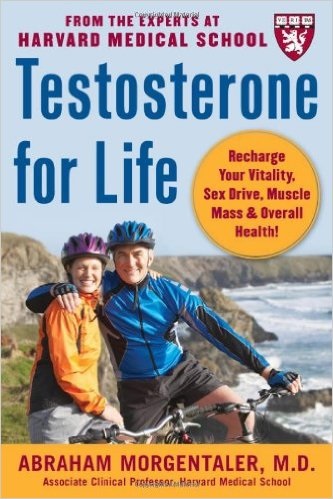
So starts the book Testosterone for Life, by Abraham Morgentaler, M.D., Associate Clinical Professor at Harvard Medical School.

Testosterone for Life

In my previous blogs, I mentioned how early last year, for the first time in my life, I did a comprehensive blood tests. I got these tests done through Life Extension Foundation. These test included all basic hormones.

Only two items showed up not within the “Reference Ranges”: A1c and Free Testosterone. With respect to the LabCorp’s reference rages, my Hemoglobin A1c value of 5.8 was too high (reference range 4.8 to 5.6), even though my fasting Glucose was 91, well within the reference range.

On the other hand, my Free Testosterone value of 5.5 was too low (Reference Range 7.2 to 24.0), while Total Testosterone, DHEA-Sulfate and Estradiol where all within the reference rage.

Now I was quite familiar with A1c, even though I expected it to be normal since my fasting glucose has always been stable around 90 during all my wellness tests.

But Testosterone I did not know anything about. So, I hit the books. The above referenced book by Dr. Morgentaler was one of the first authoritative books I read on the subject. Male Hormone Restoration is another good source. There are also many papers on this subject on NIH Pubmed, for example: The benefits and risks of testosterone replacement therapy: a review.

One of the guidance that Dr. Morgentaler and others practitioners offer is that not all low Testosterone (or Low-T) cases need to be treated. Physicians must examine low-T blood test measurements and correlate with the clinical symptoms. List of symptoms looks the same as at the top of this post for this condition called Hypogonadism:

  • Are you tired?
  • Have you lost your edge, you sense of vitality, your ‘mojo’?
  • Do you have no or low libido (desire for sex)?
  • Do you have erectile dysfunction?
  • Is your mood blah?
  • Have you put on a gut even though you don’t seem to be eating any more than your ever did?
  • Do you have difficulty building muscle mass, bone mass or gaining strength even with workouts and right nutrition?

So per recommendation of practitioners, if some combination of above symptoms exists along with low-T, boosting testosterone may be in order.

I could answer yes to several of the questions above. I had also noticed that fat loss and muscle gain had also plateaued in spite of my continued regime of workouts and nutrition. In fact, in the book, The Life Plan, Jeffry S. Life, M.D., describes how at one point in life low-T became an impediment to maintaining his body composition.

The life plan

I immediately researched and added some supplements to my regime: Miraforte from Life Extension and Male Rejuvenator from Xtend-life. Over the following six months I noticed my Free Testosterone improve as much as 70%. However, my A1c even to increase.

Concerned with trend of my A1c, about six months ago, I started working with Benjamin Gonzalez, M.D. who specializes in functional medicine and hormone replacement therapy (HRT).

After reviewing my tests, conditions and efforts, Dr. Gonzalez started prescribing Testosterone Replacement Therapy (TRT).  In fact, he like many researchers, believes that optimal testosterone levels should be on the high end of the range, close to what men in their 20s will have. This can be a source of slowing down or reversing many age related issues.

The only known downside of TRT is that it is that the supplementation is not recommended if you have enlarged prostates – although that risk is still not proven in the research. 

The treatment involved once a day regime of DHEA supplements as pills and bio-identical testosterone applied as topical cream on wrists. It took about six weeks, before the impact of TRT became apparent. I started noticing that:

  • My daily energy level and “mojo” is up
  • Sexual performance is much better
  • Libido is much improved
  • My fat loss and muscle gain has resumed.

Just last week, I did a set of follow up tests and review with Dr. G. – about six months since starting TRT and coincidental with my 61st birthday. Free Testosterone, DHEA-Sulfate and Estradiol levels are now actually higher than the high end of respective reference ranges.   As a result, Dr. G. has advised, backing down somewhat the daily amount of testosterone.

Fortunately, my wife has also chosen to undergo HRT at the same time I did to balance and optimize her own hormones.  She is also experiencing very positive results.  So, we are well matched in energy and libido.  How lucky for me!

Having gone further up, my hemoglobin A1c is back down to 5.8, but I don’t have enough data points to see if the improvement in A1c is correlated to testosterone levels. So, getting my A1c down is still an active chase for me.

In the past couple of months, I have been talking to my friends and family, especially those over 50 to get their Testosterone levels checked and pursue treatments the levels are low and they have symptoms of hypogonadism.

To bring this issue to light, many researcher have been popularizing the term Andropause, which is like menopause for women.  However, for most men, the decline of testosterone is very gradual starting in their 30s and is not a sudden event as for most women.

So, how about you? Have you had any experience with hormone replacement?

What was your experience?

I would love to hear, so I can and others learn from your knowledge and experience.

Post #41 – So, how to measure how close to optimal is your health? Or, how quickly are you aging?

19 Sunday Jul 2015

Posted by purposelyliveto120 in Aging, Dying, Life-Span, Living to 120, Mental Health, Nutrition, Optimal Exercise, Puposely Living, Vitality, wellness

≈ 1 Comment

Tags

Aging, Biomarkers, Cholesterol, Dying, Health Span, Life Expetancy, Life Span, Live to 120

“How old are you?” someone asks. Number of years since birth is the generally the answer – that is your Chronological Age or CA.

But how hold do you feel? How old do you act? How old do you look? That is your Biological Age or BA.

Wouldn’t it be nice to actually be able to measure your biological age?

CA and BA is the difference between being 40 year old and going on 60. Or, may be being 60 year old and going on 40.

Wouldn’t it be more useful to have a single number like BA, than understanding individual factors like your total cholesterol, HDL, A1c, VO2 Max, etc?

Recently, in the media there has been a buzz about a recent research published by scientists led by Duke University School of Medicine about measuring biological age. For example, see the article in WSJ: How Quickly Are You Growing Old?

Now there are a quite a few websites, where you answer a bunch of question and they will tell you, your biological age as compared to your chronological age.

For example, here are three such sites, I tried (my CA is 60.9 years):

http://www.biological-age.com/ calculated my biological age as 36

https://www.sharecare.com told me my BA was 53.6.

http://www.growyouthful.com/gettestinfo.php said my BA was 46.

Each of the sites followed up with advice and helpful hints on what I could start or stop doing to further increase my expected health and lifespan.

Unfortunately, none of these websites show exactly what they do with the information you provide and how they arrive at the number they call Biological Age.

But this recent study, “Quantification of biological aging in young adults”, by Daniel W. Belsky et al, is very rigorous treatment of this subject and gives you all the details behind the curtain. And, for me, these details are not only fascinating but actually quite useful to understand what matters for biological age to start diverging from chronological age. In other words, what slows down or speed up aging.

The study calculated the aging rate of 954 men and women—taking various measurements of their bodies’ health—when they were each 26, 32 and 38 in chronological years. By analyzing how these measures changed over time, the researchers were able to see who aged faster and who slower than normal.

To measure the pace of biological aging, which the study defined as the declining integrity of multiple organ systems, the researchers relied on 18 separate biomarkers, summarized in figure below.

These ranged from common measures such as HDL-cholesterol levels and mean arterial blood pressure to more obscure ones like the length of telomeres—the protective caps on the ends of chromosomes that shorten with age.

Go on in Years

Chronological age of all participants was 38 years. However, researchers found that the biological ages varied from 26 years to 60 years.

For measuring how fast people aged, they calculated aging over 12 years. About 30 percent aged biologically one year for every calendar year. There were those who aged as much as 3 years for every calendar year. And, there were four members of the group who aged not at all or actually got biologically younger during the 12 year period.

BOTTOMLINE:

Finding one’s Biological Age is a fascinating concept and can be very useful in optimizing health and life span. However, this is not an exact science just yet, although good strides are being made in research.

However, if you want to focus on living optimally, you can focus on changing your lifestyle to optimize the basic 18 or so biomarkers used in this study. Most of these can be impacted by lifestyle choices. Only 20% depend upon genetics.

Proper food, hydration, exercise, supplements and medical care are the key methods to managing these primary biomarkers.

Websites that compute biological ages also suggest additional actionable items that seem to strongly correlate to optimal health span and life span. These include:

  1. Optimal sleep (7 to 9 hours)
  2. Reduced stress (meditation, perspective management)
  3. Reduced exposure to toxins (organic food, reduced use of chemicals, clean water)
  4. Increased social contact (having friends, family, living with a life partner)
  5. Purposeful living (satisfying work, hobbies, social endeavors)

What is your take on this subject?

Please feel free to leave comment to share your perspective.

Post #33 – What can you do to maintain optimal health of your brain? Or, How my sons got me playing video games?

18 Sunday Jan 2015

Posted by purposelyliveto120 in Aging, Living to 120, Mental Health, Optimal Health, Vitality

≈ 2 Comments

Tags

Aging, Chronic Disease, Lifestyle, Mental Health

In most of my past blogs, I have talked about maintaining optimal physical health – staying physically fit, keeping all chronic diseases such as diabetes, arthritis, high blood pressure, cardiovascular issues and such at bay. Also, I have talked about developing, building and maintaining lean mass, strength, balance and flexibility.

But, what about the brain? How to keep brain in top shape as we age, while keeping Alzheimer disease and dementia far away from ourselves? What is in our control that we can do?

After all, living to 120 (or to whatever your target is), without full cognitive faculties won’t be much fun.

Researching this topic, I found that National Institute of Health (NIH), National Institute of Aging, has a very good chapter “The Changing Brain in Healthy Aging” in their publication “Alzheimer’s Disease: Unraveling the Mystery”. The following is excerpt from that chapter.

As a person gets older, changes occur in all parts of the body, including the brain:

  • Certain parts of the brain shrink, especially, the prefrontal cortex (an area at the front of the frontal lobe) and the hippocampus. Both areas are important to learning, memory, planning, and other complex mental activities.
  • ­Changes in neurons and neurotransmitters affect communication between neurons. In certain brain regions, communication between neurons can be reduced because white matter (myelin covered axons) is degraded or lost.
  • ­Changes in the brain’s blood vessels occur. Blood flow can be reduced because arteries narrow and less growth of new capillaries occurs.
  • ­In some people, structures called plaques and tangles develop outside of and inside neurons, respectively, although in much smaller amounts than in Alzheimer Disease
  • ­Damage by free radicals increases – free radicals are a kind of molecule that reacts easily with other molecules­
  • Inflammation increases  – inflammation is the complex process that occurs when the body responds to an injury, disease, or abnormal situation.

What effects does aging have on mental function in healthy older people?

Some people may notice a modest decline in their ability to learn new things and retrieve information, such as remembering names. ­They may perform worse on complex tasks of attention, learning, and memory than would a younger person.

However, if given enough time to perform the task, the scores of healthy people in their 70s and 80s are often similar to those of young adults. In fact, as they age, adults often improve in other cognitive areas, such as vocabulary and other forms of verbal knowledge.

It also appears that additional brain regions can be activated in older adults during cognitive tasks, such as taking a memory test. Researchers do not fully understand why this happens, but one idea is that the brain engages mechanisms to compensate for difficulties that certain regions may be having.

For example, the brain may recruit alternate brain networks in order to perform a task. Th­ese findings have led many scientists to believe that major declines in mental abilities are not inevitable as people age. Growing evidence of the adaptive (what scientists call “plastic”) capabilities of the older brain provide hope that people may be able to do things to sustain good brain function as they age. A variety of interacting factors, such as lifestyle, overall health, environment, and genetics also may play a role.

Another question that scientists are asking is why some people remain cognitively healthy as they get older while others develop cognitive impairment or dementia. Th­e concept of “cognitive reserve” may provide some insights.

Cognitive reserve refers to the brain’s ability to operate effectively even when some function is disrupted. It also refers to the amount of damage that the brain can sustain before changes in cognition are evident. People vary in the cognitive reserve they have, and this variability may be because of differences in genetics, education, occupation, lifestyle, leisure activities, or other life experiences.

Th­ese factors could provide a certain amount of tolerance and ability to adapt to change and damage that occurs during aging. At some point, depending on a person’s cognitive reserve and unique mix of genetics, environment, and life experiences, the balance may tip in favor of a disease process that will ultimately lead to dementia.

For another person, with a different reserve and a different mix of genetics, environment, and life experiences, the balance may result in no apparent decline in cognitive function with age.

Scientists are increasingly interested in the influence of all these factors on brain health, and studies are revealing some clues about actions people can take that may help preserve healthy brain aging. Fortunately, these actions also benefit a person’s overall health. Th­ey include:

  1. ­Controlling risk factors for chronic disease, such as heart disease and diabetes (for example, keeping blood cholesterol and blood pressure at healthy levels and maintaining a healthy weight) ­
  2. Enjoying regular exercise and physical activity ­
  3. Eating a healthy diet that includes plenty of vegetables and fruits
  4. ­Engaging in intellectually stimulating activities, and
  5. Maintaining close social ties with family, friends, and community

So, actions 1, 2 and 3 suggested by NIH NIA are the same as for keeping physical body fit and in good order. That is a good news!

But there are also additional actions 4 and 5 one can take, that are good to keep brain fit and in good order.

Piano Lessons at 60:

To increase my intellectually stimulating activities, as I was turning 60, I decided to start taking piano lessons. I have been very left brain focused on my intellectual pursuits – STEM or Science Technology, Engineering and Math education. So, I figured, it is high time I did something to develop my underused right brain. And, there is a lot of evidence in research of the benefits of learning music on the brain.

For the last six months, I have been finding piano lessons very pleasurable and at the same time very intellectually and physically demanding. One half-hour lesson a week and daily practice of half hour to an hour, is what it takes for me learn and get comfortable with a piano piece my teacher introduces in the lesson. Initially it was just one piece from the “techniques book”, for the last few weeks, there is an additional piece from a popular “songs book”. All this piano playing got be doing something good for my brain, since week after week, it seems that I am learning with my brain and in my muscles new stuff.

How my sons got me playing video games:

Until now, I have completely resisted playing video games.

For Christmas, our twin sons, Daniel and Justin, gave us a present of family membership to Lumosity. Lumosity exploits research to-date in neuroplasticity. Research has found that certain types of activities may impact the brain more than others. It’s believed that as an activity is repeated, the brain tends to fall back on the same set of existing neural pathways. To continue changing, the brain must be exposed to novel, adaptive experiences that challenge it to work in new ways.

Drawing on this idea, Lumosity is designed to give each person a set of exercises that challenge their cognitive abilities.

Lumosity “games” are based on a combination of common neuropsychological and cognitive tasks, many of which have been used in research for decades, and new tasks designed by an in-house science team. Working with experienced game designers, Lumosity neuroscientists have transformed these tasks into over 40 challenging, adaptive games.

Lumosity’s game-based training program is designed to expose your brain to gradually increasing levels of challenges, adapting game difficulty to your individual ability level. As your scores increase, you may encounter new or more difficult games. Modeled from the concept of a physical personal trainer, Lumosity pushes you to operate at the limits of your abilities and stay challenged.

They also report measures of your performance, so you can see how you are improving in speed, memory, attention, flexibility and problem solving and how you compare with others in your age bracket. A metric called LPI is a consolidated metric of these five factors. Also, you can use a test called Baseline Test to see how the scores translate to other situations you don’t play in the games.

I have been playing these games for two weeks now. It is definitely fascinating, how various skills of speed, memory, attention, flexibility and problem solving improving. With this rate of progress, who knows, I may get good enough to play some video games against Justin and Daniel!

What are your thoughts on this subject of keeping brain fit and in optimal shape?

What strategies or techniques do you use to keep you brain fit?

Please leave a comment in the blog; I would love to hear from you.

Post #32 – What is the optimal time to take your supplements?

11 Sunday Jan 2015

Posted by purposelyliveto120 in Aging, Nutrition, Supplements

≈ 2 Comments

Tags

Aging

In response to the last blog post about supplements, a friend asked me this question, “What is the optimal time to take supplements?”

And, I realized that I had developed a personal routine for taking my supplements based on what my functional medicine specialist doctor had suggested and directions from the various supplement manufacturers. However, I had not really done my own digging to find the definitive answer to this question of when is the best time for different supplements.

And, since I am taking my supplements every single day, it was high time I did so.

So, here is what I found. There are several considerations in deciding the optimal time to take your supplement:

  1. With food or on empty stomach: In general, most of the multivitamins manufacturers recommend taking those with food. There are three main reasons cited for this. Taking multivitamins with food slows the absorption rate and makes the micronutrients available over longer period of time. Micronutrients are supposed to work in conjunction with macronutrients (carbs, fat ad proteins). And, finally, taking them with food makes vitamins that are fat soluble (A, D, E and K) be better absorbed, assuming the meal will have some fat content.

Exceptions to this rule are certain multivitamins or supplements that are enteric coated, so they do not dissolve in the stomach. It is recommended that these enteric coated multivitamins or supplements are taken on empty stomach. The multivitamins ones I take manufactured by Xtend-life happen to be indeed enteric coated.

  1. If the daily dosage is lots of pills – spread them out over multiple doses. For example, the Xtend-life multivitamin that I take comprises 7 pill is a good candidate of splitting into two doses. I take 4 in the afternoon and three at night.
  2. Supplements that relax the body are best taken at bed times – For example, Magnesium relaxes the muscle and help with sleep, so it is best taken at bed time. Same goes for Serotonin, which promotes sleep.
  3. Omega 3 with meals: Omega-3 supplements can be part of the fat in-take with meals and also snacks, of course, depending upon how many pills of Omega-3 you are taking. With 4 pills of Omega 3/QH and 2 pills of Flaxseed oil, I usually have at least one pill to take with every meal or snack.
  4. Probiotics are best taken in the morning – In general probiotics can be taken at any time, but the best times seem to be when the pH of the stomach is least acidic. Less acidity allows more of the bacteria to survive on their way to the intestines where they are needed. In general, in the mornings, stomach tends to be least acidic.
  5. Take them at the same time every day – Taking these at the same time every day, just like daily meals, the nutrients become available throughout the daily 24 hour daily cycle.
  6. If taking any medications, check with your doctor for any possible drug supplement interactions – This can be very important, for example, if you are taking a blood thinner, such as Coumadin, taking vitamin K might be counterproductive or may have to be accounted for to figure out proper dosage.
  7. If you miss an optimal supplement time, it is better to take the supplement at a different time the same day than to skip it – You will get at least some benefit, and there is a much better chance that the next day you will be back on schedule. Skipping always makes the skipping the following day more likely.

Based on these considerations, the following looks like an optimal schedule for my supplement regime:

Approximate Time of Day Type of Meal or Empty Stomach Supplements
8:30am Breakfast or Breakfast Shake Omega 3/QH, D3, Glucosamin/Chondoitin, Calcium Citrate, Red Rice Yeast, Super MiraForte, Probiotics,   B-Complex, L-Methylfolate
12:00pm Lunch Omega 3/QH
2pm No Meal 4 pills multivitamins, 2 pills Male Rejuvinator
3pm Snack (Almonds) Flaxseed Oil
5:30pm Shake Omega 3/QH
8pm Dinner Omega 3/QH, D3, Glucosamin/Chondoitin, Calcium Citrate, Red Rice Yeast, Super MiraForte,Vitamin B-12, Chelated Molybdenum, Alpha Lipoic Acid, CoQ10, NAC, Milk Thistle
10:30pm Bed Time

(No meal)

4 pills multivitamins, 2 pill Male Rejuvinator, Magnesium, Flaxseed Oil

What do you think? Do you have any information different from this?

When do you take your supplements?

I would love to hear.


Post #29 – Eating for Optimal Health Part VIII – Add or subtract specific foods based on your personal needs

29 Saturday Nov 2014

Posted by purposelyliveto120 in Aging, Living to 120, Nutrition, Optimal Health, wellness

≈ 2 Comments

Tags

Aging, Allergies, Chronic Disease, living to 120

In blog post of 9/29/2014: So, what should you eat for optimal health?, I listed the seven basic principles I have extracted from the many diet books and resources I have studied. These principles are:

  1. What you eat, how much you eat and when you eat, all matter
  2. Eat clean
  3. Eat lots of vegetables and fruits
  4. Use only healthy fats and fat sources
  5. Incorporate sufficient proteins in your diet
  6. Best beverage to drink is pure water
  7. Add or subtract specific foods based on your personal needs

In the last posts, we discussed the first six of these principles. Today, in the last blog post of this series, let’s focus on the seventh principle: Add or subtract specific foods based on your personal needs. And, as usual without any fluff stuff, let’s get to it.

Even though we humans all are of the same species, our bodies are quite unique due to genetic and environmental differences that we grew up in. Because of this uniqueness, it is not unreasonable to have unique needs for what we eat to adapt to our bodies.

Western medicine and nutrition framework can recognize these differences only in terms of different caloric needs based on size, food allergies, intolerance and sensitivities.

However, eastern medicine and nutrition frameworks, offer other ways of matching specific foods to specific unique needs of our bodies.

Let’s explore both of these frameworks that we can use to customize what we eat.

Food Allergies, Intolerance and Sensitivities

As Mayo Clinic page on Food Allergy describes: A true food allergy causes an immune system reaction that affects numerous organs in the body. It can cause a range of symptoms. In some cases, an allergic reaction to a food can be severe or life-threatening (anaphylaxis) — even if past reactions have been mild.

If you have any food allergies, it is important to learn how to recognize a severe allergic reaction and know what to do if one occurs. You may need to carry an emergency epinephrine shot (EpiPen, Auvi-Q, others) for emergency self-treatment.

In contrast, food intolerance symptoms are generally less serious and often limited to digestive problems. But these can also be the cause of chronic issues including excess weight, obesity, leaky gut and many other related issues.

Causes of food intolerance include:

  • Absence of an enzyme needed to fully digest a food. Lactose intolerance is a common example.
  • Irritable bowel syndrome. This chronic condition can cause cramping, constipation and diarrhea.
  • Food poisoning. Toxins such as bacteria in spoiled food can cause severe digestive symptoms.
  • Sensitivity to food additives. For example, sulfites used to preserve dried fruit, canned goods and wine can trigger asthma attacks in sensitive people. Mono sodium glutamate (MSG) often used in Chinese cooking can cause digestive issues.
  • Recurring stress or psychological factors. Sometimes the mere thought of a food may make you sick. The reason is not fully understood.
  • Celiac disease. Celiac disease has some features of a true food allergy because it involves the immune system. However, symptoms are mostly gastrointestinal, and people with celiac disease are not at risk of anaphylaxis. This chronic digestive condition is triggered by eating gluten, a protein found in wheat and other grains.

With the recent research in micro biome or gut bacteria, there is mounting evidence that many of the food sensitivities and even food allergies can be cured by improving the gut bacteria.

So, it is important to understand personal food allergies, intolerances and sensitivities. And, then find workarounds or solutions to those.

Here is one quick anecdote on this topic.

Several years ago, often around menstruation time, my wife Kimberly used to have abdominal pains, sometimes quite severe and debilitating. So, we started chasing the issue. Doctors did various tests to diagnose it, but no luck. She even subjected herself to a painful colonoscopy. Radiologist pointed out inflammation at the place where her colon turns. But he could not argue why that would cause issues she had been experiencing. They even started using the “C” word for some stomach cancer, which kind of freaked her out emotionally.

During this time, I started keeping a sort of diary of her lifestyle. I noticed that every time her sister or mother visited us, for the period that followed she would have severe pains. I thought that was rather curious.

You see, ever since, I became vegetarian, she did not eat much meat. We did not cook much meat at home. And, even when we ate out, she generally preferred to share what I would eat, which would be vegetarian fair. But every time her sister or mother would visit, they will have several meals out at the restaurants and she would indulge in lots of meats, especially red meats.

Once I figured this out, I asked her to experiment with keeping meat to minimum and absolutely no red meat for a few months – which she did faithfully. And, lo and behold, her pains went away. She experimented with adding the red meat back, with the result of pains also being back. Having learned that lesson, she has now stuck to the lifestyle of mostly no red meat and pains have been gone.

Eastern medicine and nutrition frameworks

Eastern medicine and nutrition frameworks provide different methods (and some would argue, much more precise methods) of matching foods to a person’s specific needs.

I am most familiar with the Indian Ayuervedic system so I will briefly share that here.

According to Ayurveda, there are three primary body types: Vata, Pitta and Kapha.  These body types are also called Doshas.

We are born with either one of these three, or some combination of these, i.e., Vata-Pitta, Vata-Kapha, Pitta-Kapha or Vata-Pitta-Kapha types.

The primary body types are made up of a combination of five basic elements of nature: Earth, Water, Fire, Wind, and Space.

Earth + Water = Kapha

Fire + Water = Pitta

Wind + Space = Vata

By looking at the nature of the constituent elements, you can probably quickly guess the properties associated with each Dosha or body type.

Kapha person would thus be very “earthy”, heavier musculature, gains weight quickly, has moist or oily skin, likes to stays settled in a place, is slow and steady, is often cold and smooth.

Pitta person would be hot, intense, light, flexible, slightly oily, fluid, sour smelling.

Vata person will have dry skin, be on the move all the time, is often cold, rough adept to change, subtle quick and light.

The theory is that we all have an inherent body type that corresponds to our inborn nature. Eating foods and living lifestyle that take us away from our inherent Doshas cause stresses on our bodies and in turn cause issues. Progressed to advanced stages, these perturbations in the body become clinical symptoms that are discovered as ailments in the context of western medicine.

Foods on the other hand, in Ayurveda, are categorized as sweet, sour, salty, stringent, bitter and pungent. Based on the nature of food, it could either aggravate or pacify a particular body type or Dosha.

Kapha is

  • Balanced by pungent, bitter, astringent, light, dry and hot foods
  • Aggravated by sweet, sour and salty foods, heavy, oily and cold

Pitta is

  • Balanced by bitter, sweet, astringent, cold, heavy and dry foods
  • Aggravated by pungent, sour, salty, hot, light and oily foods

Vata is

  • Balanced by salt, sour, sweet, heavy, oily and hot foods
  • Aggravated by pungent, bitter, astringent, cold, dry, light foods

An Ayuervedic practitioner’s goal is to uncover any differences between inherent body type and the present body type and to recommend foods and lifestyle that will bring the body to the back the inherent body type.

As the body realigns with its inherent Doshas, different types of issues and ailments just recede and disappear.

This,  of course, is a pretty deep topic by itself.

“Perfect Health – A complete mind body guide”, a book by Deepak Chopra, M.D., is a very accessible book that explains these Ayuervedic principles and practices. Based on the Ayuervedic theory, the book offers very practical means for matching foods to one’s specific needs and/or make adjustments if you feel any “stresses” in your body.

What do you think of this approach?

Do you feel that this provides guidance on how to adjust your diet to match your personal needs?

Do you see a hole in this approach? What would you do differently?

Post #27 – Eating for Optimal Health Part VI – Incorporate sufficient protein in your diet

02 Sunday Nov 2014

Posted by purposelyliveto120 in Ideal Body Weight, Lean Mass, Living to 120, Nutrition, Optimal Health, Optimal Nutrition

≈ Leave a comment

Tags

Aging, Lifestyle

In blog post of 9/29/2014: So, what should you eat for optimal health?, I listed the seven basic principles I have extracted from the many diet books and resources I have studied. These principles are:

  1. What you eat, how much you eat and when you eat, all matter
  2. Eat clean
  3. Eat lots of vegetables and fruits
  4. Use only healthy fats and fat sources
  5. Incorporate sufficient proteins in your diet
  6. Best beverage to drink is pure water
  7. Add or subtract specific foods based on your personal needs

In the last posts, we discussed the first four of these principles. Today, let’s focus on the fifth principle: Incorporate sufficient protein in your diet. And, as usual without any fluff stuff, let’s get to it.

First, what are proteins and what is the big deal?

Proteins are the main building blocks of the body. They’re used to make muscles, tendons, organs and skin. Proteins are also used to make enzymes, hormones, neurotransmitters and various tiny molecules that serve important functions.

Without protein, life as we know it would not be possible.

Proteins are made out of smaller molecules called amino acids, which are linked together like beads on a string. The linked amino acids form long protein chains, which are then folded into complex shapes.

Some of these amino acids can be produced by the body, while we must get others from the diet. The ones we cannot produce and must get from our foods are called the “indispensable” (sometimes also called “essential”) amino acids.

Protein from animal sources such as meat, poultry, fish, eggs, milk, cheese, and yogurt provide all nine indispensable amino acids, and for this reason are referred to as “complete proteins.”

Proteins from plants, legumes, grains, nuts, seeds, and vegetables tend to be deficient in one or more of the indispensable amino acids and are called “incomplete proteins.”

So, how much protein do we need?

There are different opinions on how much protein we actually need.

Most official nutrition organizations recommend a fairly modest protein intake. Food and Nutrition Board of Institute of Medicine of the National Academies in their Dietary Reference Intakes (DRI) reference manual recommends 0.8 grams of protein per kilogram of body weight, or 0.36 grams per pound. This amounts to:

  • 56 grams per day for the average sedentary man.
  • 46 grams per day for the average sedentary woman.

These are clearly amounts below which nutritional deficiency will result. Interestingly, DRI reference manual does not specify any upper limit at which protein might be harmful, although there is quite a bit of discussion about adverse effects of taking too much of a specific amino acid.

Most experts agrees that protein needs depends upon a number of factors that include activity level, age, muscle (or lean) mass and current state of health. 

But still, how much?

The range seems to be from 0.5 gram to 1.0 grams per pound of body weight. In case one is overweight, it is recommended to use lean mass weight to calculate the protein need.

Most optimal health experts, such as Joe Dillon (The Joe Dillon Difference), Dr. Life (Life Plan), Bill Phillips (Body for Life) whose focus is on building optimal muscle mass, recommend amounts on the higher end of the range. That is, 1.0 or 1.2 grams per pound of body weight per day.

What are the best sources of protein?

The factors often discussed in terms of quality of protein are efficiency of absorption, and how “complete” the protein is, i.e., does it contain all indispensable  amino acids. Another important factor I believe is whether eating enough protein will bust your carbs, fats or calories budget.

Eating lots of breads may give you sufficient proteins but it will probably bust the carbs and calories budgets.  Also, eating lots of rich or fatty meats for sufficient protein will most likely bust your fats budget.

Joe Dillon offers the following hierarchy for selecting optimal sources of lean, quality protein (from highest to lowest):

  • 100% Whey protein isolate powder
  • Egg whites
  • Wild Game (venison, buffalo, elk, moose, etc.)
  • Salmon, Ahi Tuna
  • Turkey (white meat, dark meat, no skin)
  • Fish (all kinds)
  • Chicken (white meat only, no skin)
  • Shellfish (oysters, mussels, clams, lobster, shrimp, crab)
  • Nonfat Dairy (nonfat milk, nonfat cheese, nonfat cottage cheese, nonfat plain yogurt)

But how much of these foods should I eat?

Here is a quick guide:

  • 3 ounces of lean meat or poultry contain about 25 g of protein,
  • 3 ounces of fish contain about 20 g of protein
  • 1 cup of soybeans supplies about 20 g of protein.
  • 1 cup of yogurt is approximately 8 g,
  • 1 cup of milk is 8 g
  • 1 egg or 1 ounce of cheese contains about 6 g
  • One cup of legumes has approximately 15 g of protein
  • Cereals, grains, nuts, and vegetables contain about 2 g of protein per serving.

Bottom Line:

Still confused? May be this will help. Looking for optimal nutrition, this is what I am doing:

  1. Since I am interested in continuing to build my lean mass reserves, I decided to budget protein in the upper end of the range, about 1 gram per pound of my body weight. I weigh 161 plus minus 2 pounds these days, so 160 grams of protein per day is my target.
  2. I am a vegetarian, I assume I get about 10 to 20 grams from vegetables, legumes and eggs and egg whites.
  3. I supplement the remaining using shakes of whey isolates or whey concentrates and isolates mixed. That makes for shakes 4 to 5 times a day: breakfast, lunch, while going home from work, post-exercise and sometime before going to bed. If I ate meat, I will do just one or two shakes a day.

What do you think of this approach?

Do you feel that this simplifies the confusion about proteins?

Do you see a hole in this approach? What would you do differently?

Post #23 – Eating for Optimal Health Part II – What you eat, how much you eat and when you eat, all matter.

06 Monday Oct 2014

Posted by purposelyliveto120 in Ideal Body Weight, Lean Mass, Living to 120, Nutrition, Optimal Health, Percent Body Fat, wellness

≈ Leave a comment

Tags

Aging, Lifestyle

Eating for Optimal Health Part II – What you eat, how much you eat and when you eat, all matter.

In last week’s blog post: So, what should you eat for optimal health? – Part I, I listed the seven basic principles I have extracted from the many diet books and resources I have studied. These principles are:

  1. What you eat, how much you eat and when you eat, all matter
  2. Eat clean
  3. Eat lots of vegetables and fruits
  4. Use only healthy fats and fat sources
  5. Incorporate sufficient proteins in your diet
  6. Best beverage to drink is pure water
  7. Add or subtract specific foods based on your personal needs

Today, let’s focus on the very first principle: What you eat, how much you eat and when you eat, all matter. And, without any fluff, let’s get to it.

What you eat: Our physical bodies need:

  • Oxygen
  • Water
  • Macro nutrients: carbs, proteins and fats
  • Micro nutrients: vitamins and minerals
  • Enzymes
  • Bacteria
  • Certain molecules

For optimal health, what we eat needs to provide all these items in optimal quantities. If any of these are taken in insufficient quantities, suboptimal health will result.

How much you eat: One aspect of how much to eat is based on how much energy we need every day. The other aspect is to eat so as to receive optimal quantities for our bodies’ needs a) through g) above.

The first aspect about energy, in-turn depends upon two factors. How many Kcals (or Calories) do we need for the basic metabolic activities (beating heart, circulation of blood, breathing, maintaining body temperature etc.). And, for other physical activities which can depend upon our lifestyle, taking elevators vs. taking stairs, number of steps walked in a day, exercise or no exercise, driving to work or biking to work, doing the work manually or letting machines do the work, etc.

And, there is yet another factor that dictates how much to eat question, i.e., how efficiently is your body able to convert food to energy. Basic metabolic cycle, called Krebs Cycle or the Citric Acid Cycle involves myriads of elements to convert carbs, protein and water into energy.

When to eat: While there are many theories as to when to eat, there is one major principle that is well understood and is critical to optimal health: Sugar Management. Body converts carbohydrates into glucose (sugars) before they can be converted to energy using the Krebs cycle. Rate at which carbs convert to sugars depends on the glycemic index of the specific food. And, how much sugar is generated, also called glycemic load, in this process is based on glycemic index and the quantity of food.

Body either uses up all the glucose it generates or it stores away what it cannot use in the form of body fat. For optimal health, one must eat just enough, so that all of it can be converted into stored energy rather than stored fat. This means eating meals more often, if necessary, to not generate excess that will have to be stored away as fat.

Bottom line and My Personal Plan: Given all these factors, you can easily imagine why there is much room for controversy about what to eat, how much to eat and when to eat.

When one expert says, “Just figure out  how many calories you need and then simply eat that many calories.”

Next expert might say, “Not true, because you still need all of the elements 1 through 7 that body needs. That is why, 2500 calories from sodas is not the same as 2500 calories from fruits and vegetables.”

Yet, third expert may argue that if you are missing just a few key ingredients, your energy cycle may be all messed up and nothing else will matter.

So, what is one to do? The best answer, I have synthesized from all those book and resources I mentioned in part I, is as follows. I am here using my personal example to illustrate. These days, my weight is 161 (plus minus 2 lbs.)

  1. Decide how many calories you need to consume in a day, based on your build and life style (usually 2300 calories to 2800 calories):

In my case, I decided about 2500 calories meet my daily need.

  1. If you are not at optimal percent body fat, reduce the calorie in-take by 20%

So in my case, since I am still working on losing body fat, I budgeted 2500 x 80% = 2000 calories

  1. 15% should come from fat

For me, 2000 x 15% = 300 calories. 300/9 = 33 grams of fat

  1. Budget 1 gram per pound of body weight for protein.

For me: 160 grams of proteins. 160gms x 4 cals/ gm = 640 calories

  1. What remains is budget for carbs. Thus, Calories from carbs = Total Calorie budget – fat cals – protein calories. Divide by 4 for number of grams of carbs.

So my daily intake budgets are:

  • Total 2000 calories
  • 300 cals from fat, i.e., 33 gms
  • 640 cals from protein, i.e., 160 gms
  • 1060 cals from carbs, i.e., 265 gms.
  1. Use fruits and vegetables as the basis for carbs that will not only meet carb requirements but also most of the micro nutrients. It is really easy to blow carbs budget with breads and pasta, and most of those also have very high glycemic load.
  2. Use your choice of protein sources for the budgeted amount of protein requirement. Again, be careful in selecting protein sources, since it is very easy to blow the fat budget with poor choice of protein sources.
  3. Break up intake into at least six meals and mix proteins with carbs for each meal to keep sugar level throughout out the day and also prevent spikes after each meal.

For one day, I did a complete journal of what I ate and also using resources on the Internet figured calories for carbs, proteins and fats. This was a particular intense day during my 21-day Muscle Mania challenge. I don’t always do strength training workout with my trainer and Bikram yoga the same day.

Below here is the result. Remember, I am a vegetarian and I have been using Whey Protein as my major source of protein.

You can Click on the picture to enlarge it, if it is not readable.

Meal Planner and Journal for Ashok

What do you think of this approach?

Do you feel that this simplifies the mumbo jumbo of what to eat, how much to eat and when to eat for optimal health?

Do you see a hole in this approach? What would you do differently?

← Older posts
Newer posts →

Recent Posts

  • Post #69 – Resources I used to rehabilitate my knee: Part II – Knee Misalignment Issue
  • Post #68 – Resources I used to rehabilitate my knee: Part I – Diagnose and Fix Structural Issue
  • Post #67 – What is the Minimum Stack of Supplements to Take?
  • Post #66 – Optimal Health through Optimal Breathing
  • Post #65 – Fasting, the old new technology and panacea for Optimal Health – Part III

Recent Comments

purposelyliveto120's avatarpurposelyliveto120 on Post #66 – Optimal Health thro…
Michael Jansen Jr.'s avatarMichael Jansen Jr. on Post #66 – Optimal Health thro…
Michael Jansen Jr.'s avatarMichael Jansen Jr. on Post #65 – Fasting, the…
Sherri Boczar's avatarSherri Boczar on Post #64 – Fasting, the…
Sherri Boczar's avatarSherri Boczar on Post #63 – Fasting, the…

Archives

  • July 2024
  • June 2024
  • June 2022
  • January 2021
  • September 2019
  • August 2019
  • July 2019
  • September 2018
  • May 2018
  • February 2018
  • July 2017
  • September 2016
  • August 2016
  • July 2016
  • June 2016
  • May 2016
  • April 2016
  • March 2016
  • February 2016
  • January 2016
  • December 2015
  • November 2015
  • October 2015
  • September 2015
  • August 2015
  • July 2015
  • June 2015
  • May 2015
  • April 2015
  • March 2015
  • February 2015
  • January 2015
  • December 2014
  • November 2014
  • October 2014
  • September 2014
  • August 2014
  • July 2014
  • June 2014
  • May 2014
  • April 2014
  • March 2014

Categories

  • Aging
  • Autophagy
  • Bikram Yoga
  • Biomarkers for Stress
  • Breathing
  • Causes of Death
  • Causes of Death
  • Dying
  • Fasting
  • Functional Medicine
  • Ideal Body Weight
  • knee-pain
  • Lean Mass
  • Life-Span
  • Living to 120
  • meditation
  • Mental Health
  • Muscoskeletal alignment
  • Nutrition
  • Optimal Exercise
  • Optimal Health
  • Optimal Nutrition
  • Optimal Sleep
  • Percent Body Fat
  • Puposely Living
  • Quality of Life
  • Reversing Chronic Diseases
  • Stress
  • Supplements
  • TM
  • Uncategorized
  • Vigor
  • Vitality
  • wellness
  • Yoga

Meta

  • Create account
  • Log in
  • Entries feed
  • Comments feed
  • WordPress.com

Recent Posts

  • Post #69 – Resources I used to rehabilitate my knee: Part II – Knee Misalignment Issue
  • Post #68 – Resources I used to rehabilitate my knee: Part I – Diagnose and Fix Structural Issue
  • Post #67 – What is the Minimum Stack of Supplements to Take?
  • Post #66 – Optimal Health through Optimal Breathing
  • Post #65 – Fasting, the old new technology and panacea for Optimal Health – Part III

Recent Comments

purposelyliveto120's avatarpurposelyliveto120 on Post #66 – Optimal Health thro…
Michael Jansen Jr.'s avatarMichael Jansen Jr. on Post #66 – Optimal Health thro…
Michael Jansen Jr.'s avatarMichael Jansen Jr. on Post #65 – Fasting, the…
Sherri Boczar's avatarSherri Boczar on Post #64 – Fasting, the…
Sherri Boczar's avatarSherri Boczar on Post #63 – Fasting, the…

Archives

  • July 2024
  • June 2024
  • June 2022
  • January 2021
  • September 2019
  • August 2019
  • July 2019
  • September 2018
  • May 2018
  • February 2018
  • July 2017
  • September 2016
  • August 2016
  • July 2016
  • June 2016
  • May 2016
  • April 2016
  • March 2016
  • February 2016
  • January 2016
  • December 2015
  • November 2015
  • October 2015
  • September 2015
  • August 2015
  • July 2015
  • June 2015
  • May 2015
  • April 2015
  • March 2015
  • February 2015
  • January 2015
  • December 2014
  • November 2014
  • October 2014
  • September 2014
  • August 2014
  • July 2014
  • June 2014
  • May 2014
  • April 2014
  • March 2014

Categories

  • Aging
  • Autophagy
  • Bikram Yoga
  • Biomarkers for Stress
  • Breathing
  • Causes of Death
  • Causes of Death
  • Dying
  • Fasting
  • Functional Medicine
  • Ideal Body Weight
  • knee-pain
  • Lean Mass
  • Life-Span
  • Living to 120
  • meditation
  • Mental Health
  • Muscoskeletal alignment
  • Nutrition
  • Optimal Exercise
  • Optimal Health
  • Optimal Nutrition
  • Optimal Sleep
  • Percent Body Fat
  • Puposely Living
  • Quality of Life
  • Reversing Chronic Diseases
  • Stress
  • Supplements
  • TM
  • Uncategorized
  • Vigor
  • Vitality
  • wellness
  • Yoga

Meta

  • Create account
  • Log in
  • Entries feed
  • Comments feed
  • WordPress.com

Blog at WordPress.com.

  • Subscribe Subscribed
    • Purposely Live to120
    • Join 68 other subscribers
    • Already have a WordPress.com account? Log in now.
    • Purposely Live to120
    • Subscribe Subscribed
    • Sign up
    • Log in
    • Report this content
    • View site in Reader
    • Manage subscriptions
    • Collapse this bar
 

Loading Comments...