• About
  • Content Organized by Life-Style Choices

Purposely Live to120

~ Living to the full potential life-span with full vigor

Category Archives: Aging

Post #40 – How much Sun exposure should you have for Optimal Health?

08 Monday Jun 2015

Posted by purposelyliveto120 in Aging, Optimal Health, Supplements

≈ Leave a comment

Tags

Acute Diseases, Health Span

A couple of weeks ago my wife and I took a vacation in the Exuma Islands in the Bahamas to celebrate our 30th wedding anniversary. Now everyone knows what Bahamas Islands have plenty of: Water and the Sun. Lounging on the beach and swimming in the ocean with all shades of turquoise, we definitely got plenty of both water and the Sun. Case in point, this picture of me!

IMG_2995

And, that got me thinking: So, how much Sun exposure one should have for optimal health?

On the positive side, we know that being in the Sun is very therapeutic. It cheers us up. Both because it is good for our disposition and it is a major source of Vitamin D.

On the other hand, we have all heard of skin cancer, eye damage and hypersensitivity that excessive exposure to sun can cause.

So, how do we balance the two for Optimal Health?

First, how much Sun do we need for daily dose of Vitamin D?

Most of the “experts” sort of punt this question saying that there isn’t one recommendation for everyone. This is because the amount of time you need to spend in the sun for your skin to make enough vitamin D depends on a number of factors. These include your skin type (how dark your skin is or how easily you get sunburnt), the time of year and what time of day it is.

In the Northern Hemisphere, (e.g., US, Canada) short daily periods of sun exposure without sunscreen during the summer months (April to October) are enough for most people to make enough vitamin D. Evidence suggests that the most effective time of day for vitamin D production is between 11am and 3pm.

A short period of time in the sun means just a few minutes – evidence suggests that about 10 to 15 minutes is enough for most lighter-skinned people – and is less than the time it takes you to start going red or burn.

The larger the area of skin that is exposed to sunlight, the more chance there is of making enough vitamin D before you start to burn. People with darker skin will need to spend longer in the sun to produce the same amount of vitamin D.

In the Northern Hemisphere, our skin isn’t able to make vitamin D from winter sunlight (November to March) as the sunlight hasn’t got enough UVB (ultraviolet B) radiation. During the winter, we get vitamin D from our body’s stores and from food sources. Hence great emphasis on Vitamin D supplements in the US and other countries in the Northern Hemisphere located at higher latitudes.

How much sun before you do damage to the Skin?

Now on to how much sun is needed to produce sun damage to the skin. Here also the clear answer is: It depends.

In research, often the measurement of damage used is the amount of UV radiation needed to cause erythema – the red flushing of the skin caused by exposure to sunlight. The theory is that more the erythema, the greater is the likelihood of damage and cancer.

Because of the variables of geography and seasons, and variations in how an individual reacts to sunlight, it isn’t possible to come up with hard and fast rules – but here are some useful guidelines.

Avoid the midday sun

The time when the skin makes most Vitamin D is when it’s exposed to the midday summer sun – but that’s the time the skin is most easily damaged.

However, redness can occur in only eight minutes in a mid-day sun.

So in peak summer times from 10 am to 3pm, you should use protection against the sun; shade, hats, clothing, sunglasses and sunscreen.

But earlier in the day and later in the afternoon, for a similar period of sun exposure and vitamin D manufacture, you get much less skin damage.

During the summer months in the Southern states in the US, for example, 10 to 15 minutes of unprotected sun exposure of the face, arms and hands before 10am or after 3pm, three to four times a week, will give you enough Vitamin D without skin damage.

But this may not be enough in Northern part of the US or Canada, especially in winter. You’ll need longer periods of exposure or more flesh exposed to the sun.

Longer for dark skins

Note that the figures only apply to fair skinned people. People with very dark skin need around six times more exposure to UV radiation to produce as much vitamin D as someone with fair skin. These people may need sunlight exposure during peak times – i.e. the middle of the day – especially in the Northern states in the winter months.

On the other hand people with darker skins are less likely to get skin damage because of greater amounts of pigment in their skin. Even though they are still susceptible to getting skin cancer.

Bottom Line

Based on what I just learned, for Optimal Health, I am going to stick to my Vitamin D supplements to get sufficient Vitamin D, year-round and heed to the following recommendation I found on the Skin Cancer Foundation website:

Q: I’m going to the Caribbean this winter. Are there any special precautions I need to take to protect myself from the sun?

A: (By Neil Sadick, MD, FAAD, FAACS, FACP, FACPh) When the days get colder and the nights get longer many people enjoy a vacation to a warm place like the Caribbean, to catch some sun and “recharge their batteries.” Typical winter vacation regions are located close to the equator, with little distinction between the seasons and high temperatures year-round. The sunny weather in these regions is accompanied by strong ultraviolet (UV) radiation, as the sun’s rays hit the earth at a more direct angle and aren’t as well-absorbed by the atmosphere.

Furthermore, these sunny days tend to be long, sometimes with substantial amounts of UV until early evening. The ability to travel from a winter season to a sunny vacation spot in just a few hours is a great comfort in modern times, but also a heavy burden for the skin. Current studies now show that sun-filled vacations and sunburns play a key role in the development of melanoma, the most dangerous form of skin cancer.

Intermittent, intense sun exposure, the kind you are likely to receive on a sun-drenched winter vacation (the sort that often leads to sunburn), is associated with a much higher melanoma risk than regular, everyday sun exposure. Suffering one or more blistering sunburns in childhood or adolescence, or five or more by any age, more than doubles a person’s lifetime chances of developing melanoma. Important precautions that protect you from the sun on your vacation include shade, sun-protective clothing, and sunscreen, as well as sensibly limiting your sun exposure in general.

The sunscreen you use should have a sun protection factor of at least 30 and sufficiently block UVA as well as UVB rays. (Look for “broad spectrum” or “multi-spectrum” protection.) If you’ll be vacationing near the water, a water-resistant or very water-resistant sunscreen formula is recommended. Apply approximately one ounce of sunscreen (two tablespoons) to the whole body, and reapply every two hours or immediately after activities such as swimming, sweating, or rubbing/wiping.

Loose-fitting, long-sleeved shirts and long pants made from tightly woven fabrics offer the best protection from the sun’s UV rays. You may want to look for clothes that have a UPF (ultraviolet protection factor) label of 30+; a shirt with a UPF of 30, for example, will let just 1/30th of the sun’s UV radiation reach your skin. High-UPF athletic gear may be particularly helpful, since such clothes are meant to keep you cool and comfortable, no matter how hot the weather gets.

Finally, a hat with a brim at least 3” all the way around and UV-blocking sunglasses will also help protect the vulnerable skin on your head, face, neck, and tops of the shoulders. Sensible sun behavior means avoiding tanning and burning as well as seeking the shade between 10 AM and 4 PM (and especially between noon and 2 PM, when the sun’s rays are strongest).

What are your thoughts on this topic?

I would love to learn from you and share that knowledge with others.

Post #33 – What can you do to maintain optimal health of your brain? Or, How my sons got me playing video games?

18 Sunday Jan 2015

Posted by purposelyliveto120 in Aging, Living to 120, Mental Health, Optimal Health, Vitality

≈ 2 Comments

Tags

Aging, Chronic Disease, Lifestyle, Mental Health

In most of my past blogs, I have talked about maintaining optimal physical health – staying physically fit, keeping all chronic diseases such as diabetes, arthritis, high blood pressure, cardiovascular issues and such at bay. Also, I have talked about developing, building and maintaining lean mass, strength, balance and flexibility.

But, what about the brain? How to keep brain in top shape as we age, while keeping Alzheimer disease and dementia far away from ourselves? What is in our control that we can do?

After all, living to 120 (or to whatever your target is), without full cognitive faculties won’t be much fun.

Researching this topic, I found that National Institute of Health (NIH), National Institute of Aging, has a very good chapter “The Changing Brain in Healthy Aging” in their publication “Alzheimer’s Disease: Unraveling the Mystery”. The following is excerpt from that chapter.

As a person gets older, changes occur in all parts of the body, including the brain:

  • Certain parts of the brain shrink, especially, the prefrontal cortex (an area at the front of the frontal lobe) and the hippocampus. Both areas are important to learning, memory, planning, and other complex mental activities.
  • ­Changes in neurons and neurotransmitters affect communication between neurons. In certain brain regions, communication between neurons can be reduced because white matter (myelin covered axons) is degraded or lost.
  • ­Changes in the brain’s blood vessels occur. Blood flow can be reduced because arteries narrow and less growth of new capillaries occurs.
  • ­In some people, structures called plaques and tangles develop outside of and inside neurons, respectively, although in much smaller amounts than in Alzheimer Disease
  • ­Damage by free radicals increases – free radicals are a kind of molecule that reacts easily with other molecules­
  • Inflammation increases  – inflammation is the complex process that occurs when the body responds to an injury, disease, or abnormal situation.

What effects does aging have on mental function in healthy older people?

Some people may notice a modest decline in their ability to learn new things and retrieve information, such as remembering names. ­They may perform worse on complex tasks of attention, learning, and memory than would a younger person.

However, if given enough time to perform the task, the scores of healthy people in their 70s and 80s are often similar to those of young adults. In fact, as they age, adults often improve in other cognitive areas, such as vocabulary and other forms of verbal knowledge.

It also appears that additional brain regions can be activated in older adults during cognitive tasks, such as taking a memory test. Researchers do not fully understand why this happens, but one idea is that the brain engages mechanisms to compensate for difficulties that certain regions may be having.

For example, the brain may recruit alternate brain networks in order to perform a task. Th­ese findings have led many scientists to believe that major declines in mental abilities are not inevitable as people age. Growing evidence of the adaptive (what scientists call “plastic”) capabilities of the older brain provide hope that people may be able to do things to sustain good brain function as they age. A variety of interacting factors, such as lifestyle, overall health, environment, and genetics also may play a role.

Another question that scientists are asking is why some people remain cognitively healthy as they get older while others develop cognitive impairment or dementia. Th­e concept of “cognitive reserve” may provide some insights.

Cognitive reserve refers to the brain’s ability to operate effectively even when some function is disrupted. It also refers to the amount of damage that the brain can sustain before changes in cognition are evident. People vary in the cognitive reserve they have, and this variability may be because of differences in genetics, education, occupation, lifestyle, leisure activities, or other life experiences.

Th­ese factors could provide a certain amount of tolerance and ability to adapt to change and damage that occurs during aging. At some point, depending on a person’s cognitive reserve and unique mix of genetics, environment, and life experiences, the balance may tip in favor of a disease process that will ultimately lead to dementia.

For another person, with a different reserve and a different mix of genetics, environment, and life experiences, the balance may result in no apparent decline in cognitive function with age.

Scientists are increasingly interested in the influence of all these factors on brain health, and studies are revealing some clues about actions people can take that may help preserve healthy brain aging. Fortunately, these actions also benefit a person’s overall health. Th­ey include:

  1. ­Controlling risk factors for chronic disease, such as heart disease and diabetes (for example, keeping blood cholesterol and blood pressure at healthy levels and maintaining a healthy weight) ­
  2. Enjoying regular exercise and physical activity ­
  3. Eating a healthy diet that includes plenty of vegetables and fruits
  4. ­Engaging in intellectually stimulating activities, and
  5. Maintaining close social ties with family, friends, and community

So, actions 1, 2 and 3 suggested by NIH NIA are the same as for keeping physical body fit and in good order. That is a good news!

But there are also additional actions 4 and 5 one can take, that are good to keep brain fit and in good order.

Piano Lessons at 60:

To increase my intellectually stimulating activities, as I was turning 60, I decided to start taking piano lessons. I have been very left brain focused on my intellectual pursuits – STEM or Science Technology, Engineering and Math education. So, I figured, it is high time I did something to develop my underused right brain. And, there is a lot of evidence in research of the benefits of learning music on the brain.

For the last six months, I have been finding piano lessons very pleasurable and at the same time very intellectually and physically demanding. One half-hour lesson a week and daily practice of half hour to an hour, is what it takes for me learn and get comfortable with a piano piece my teacher introduces in the lesson. Initially it was just one piece from the “techniques book”, for the last few weeks, there is an additional piece from a popular “songs book”. All this piano playing got be doing something good for my brain, since week after week, it seems that I am learning with my brain and in my muscles new stuff.

How my sons got me playing video games:

Until now, I have completely resisted playing video games.

For Christmas, our twin sons, Daniel and Justin, gave us a present of family membership to Lumosity. Lumosity exploits research to-date in neuroplasticity. Research has found that certain types of activities may impact the brain more than others. It’s believed that as an activity is repeated, the brain tends to fall back on the same set of existing neural pathways. To continue changing, the brain must be exposed to novel, adaptive experiences that challenge it to work in new ways.

Drawing on this idea, Lumosity is designed to give each person a set of exercises that challenge their cognitive abilities.

Lumosity “games” are based on a combination of common neuropsychological and cognitive tasks, many of which have been used in research for decades, and new tasks designed by an in-house science team. Working with experienced game designers, Lumosity neuroscientists have transformed these tasks into over 40 challenging, adaptive games.

Lumosity’s game-based training program is designed to expose your brain to gradually increasing levels of challenges, adapting game difficulty to your individual ability level. As your scores increase, you may encounter new or more difficult games. Modeled from the concept of a physical personal trainer, Lumosity pushes you to operate at the limits of your abilities and stay challenged.

They also report measures of your performance, so you can see how you are improving in speed, memory, attention, flexibility and problem solving and how you compare with others in your age bracket. A metric called LPI is a consolidated metric of these five factors. Also, you can use a test called Baseline Test to see how the scores translate to other situations you don’t play in the games.

I have been playing these games for two weeks now. It is definitely fascinating, how various skills of speed, memory, attention, flexibility and problem solving improving. With this rate of progress, who knows, I may get good enough to play some video games against Justin and Daniel!

What are your thoughts on this subject of keeping brain fit and in optimal shape?

What strategies or techniques do you use to keep you brain fit?

Please leave a comment in the blog; I would love to hear from you.

Post #32 – What is the optimal time to take your supplements?

11 Sunday Jan 2015

Posted by purposelyliveto120 in Aging, Nutrition, Supplements

≈ 2 Comments

Tags

Aging

In response to the last blog post about supplements, a friend asked me this question, “What is the optimal time to take supplements?”

And, I realized that I had developed a personal routine for taking my supplements based on what my functional medicine specialist doctor had suggested and directions from the various supplement manufacturers. However, I had not really done my own digging to find the definitive answer to this question of when is the best time for different supplements.

And, since I am taking my supplements every single day, it was high time I did so.

So, here is what I found. There are several considerations in deciding the optimal time to take your supplement:

  1. With food or on empty stomach: In general, most of the multivitamins manufacturers recommend taking those with food. There are three main reasons cited for this. Taking multivitamins with food slows the absorption rate and makes the micronutrients available over longer period of time. Micronutrients are supposed to work in conjunction with macronutrients (carbs, fat ad proteins). And, finally, taking them with food makes vitamins that are fat soluble (A, D, E and K) be better absorbed, assuming the meal will have some fat content.

Exceptions to this rule are certain multivitamins or supplements that are enteric coated, so they do not dissolve in the stomach. It is recommended that these enteric coated multivitamins or supplements are taken on empty stomach. The multivitamins ones I take manufactured by Xtend-life happen to be indeed enteric coated.

  1. If the daily dosage is lots of pills – spread them out over multiple doses. For example, the Xtend-life multivitamin that I take comprises 7 pill is a good candidate of splitting into two doses. I take 4 in the afternoon and three at night.
  2. Supplements that relax the body are best taken at bed times – For example, Magnesium relaxes the muscle and help with sleep, so it is best taken at bed time. Same goes for Serotonin, which promotes sleep.
  3. Omega 3 with meals: Omega-3 supplements can be part of the fat in-take with meals and also snacks, of course, depending upon how many pills of Omega-3 you are taking. With 4 pills of Omega 3/QH and 2 pills of Flaxseed oil, I usually have at least one pill to take with every meal or snack.
  4. Probiotics are best taken in the morning – In general probiotics can be taken at any time, but the best times seem to be when the pH of the stomach is least acidic. Less acidity allows more of the bacteria to survive on their way to the intestines where they are needed. In general, in the mornings, stomach tends to be least acidic.
  5. Take them at the same time every day – Taking these at the same time every day, just like daily meals, the nutrients become available throughout the daily 24 hour daily cycle.
  6. If taking any medications, check with your doctor for any possible drug supplement interactions – This can be very important, for example, if you are taking a blood thinner, such as Coumadin, taking vitamin K might be counterproductive or may have to be accounted for to figure out proper dosage.
  7. If you miss an optimal supplement time, it is better to take the supplement at a different time the same day than to skip it – You will get at least some benefit, and there is a much better chance that the next day you will be back on schedule. Skipping always makes the skipping the following day more likely.

Based on these considerations, the following looks like an optimal schedule for my supplement regime:

Approximate Time of Day Type of Meal or Empty Stomach Supplements
8:30am Breakfast or Breakfast Shake Omega 3/QH, D3, Glucosamin/Chondoitin, Calcium Citrate, Red Rice Yeast, Super MiraForte, Probiotics,   B-Complex, L-Methylfolate
12:00pm Lunch Omega 3/QH
2pm No Meal 4 pills multivitamins, 2 pills Male Rejuvinator
3pm Snack (Almonds) Flaxseed Oil
5:30pm Shake Omega 3/QH
8pm Dinner Omega 3/QH, D3, Glucosamin/Chondoitin, Calcium Citrate, Red Rice Yeast, Super MiraForte,Vitamin B-12, Chelated Molybdenum, Alpha Lipoic Acid, CoQ10, NAC, Milk Thistle
10:30pm Bed Time

(No meal)

4 pills multivitamins, 2 pill Male Rejuvinator, Magnesium, Flaxseed Oil

What do you think? Do you have any information different from this?

When do you take your supplements?

I would love to hear.


Post #29 – Eating for Optimal Health Part VIII – Add or subtract specific foods based on your personal needs

29 Saturday Nov 2014

Posted by purposelyliveto120 in Aging, Living to 120, Nutrition, Optimal Health, wellness

≈ 2 Comments

Tags

Aging, Allergies, Chronic Disease, living to 120

In blog post of 9/29/2014: So, what should you eat for optimal health?, I listed the seven basic principles I have extracted from the many diet books and resources I have studied. These principles are:

  1. What you eat, how much you eat and when you eat, all matter
  2. Eat clean
  3. Eat lots of vegetables and fruits
  4. Use only healthy fats and fat sources
  5. Incorporate sufficient proteins in your diet
  6. Best beverage to drink is pure water
  7. Add or subtract specific foods based on your personal needs

In the last posts, we discussed the first six of these principles. Today, in the last blog post of this series, let’s focus on the seventh principle: Add or subtract specific foods based on your personal needs. And, as usual without any fluff stuff, let’s get to it.

Even though we humans all are of the same species, our bodies are quite unique due to genetic and environmental differences that we grew up in. Because of this uniqueness, it is not unreasonable to have unique needs for what we eat to adapt to our bodies.

Western medicine and nutrition framework can recognize these differences only in terms of different caloric needs based on size, food allergies, intolerance and sensitivities.

However, eastern medicine and nutrition frameworks, offer other ways of matching specific foods to specific unique needs of our bodies.

Let’s explore both of these frameworks that we can use to customize what we eat.

Food Allergies, Intolerance and Sensitivities

As Mayo Clinic page on Food Allergy describes: A true food allergy causes an immune system reaction that affects numerous organs in the body. It can cause a range of symptoms. In some cases, an allergic reaction to a food can be severe or life-threatening (anaphylaxis) — even if past reactions have been mild.

If you have any food allergies, it is important to learn how to recognize a severe allergic reaction and know what to do if one occurs. You may need to carry an emergency epinephrine shot (EpiPen, Auvi-Q, others) for emergency self-treatment.

In contrast, food intolerance symptoms are generally less serious and often limited to digestive problems. But these can also be the cause of chronic issues including excess weight, obesity, leaky gut and many other related issues.

Causes of food intolerance include:

  • Absence of an enzyme needed to fully digest a food. Lactose intolerance is a common example.
  • Irritable bowel syndrome. This chronic condition can cause cramping, constipation and diarrhea.
  • Food poisoning. Toxins such as bacteria in spoiled food can cause severe digestive symptoms.
  • Sensitivity to food additives. For example, sulfites used to preserve dried fruit, canned goods and wine can trigger asthma attacks in sensitive people. Mono sodium glutamate (MSG) often used in Chinese cooking can cause digestive issues.
  • Recurring stress or psychological factors. Sometimes the mere thought of a food may make you sick. The reason is not fully understood.
  • Celiac disease. Celiac disease has some features of a true food allergy because it involves the immune system. However, symptoms are mostly gastrointestinal, and people with celiac disease are not at risk of anaphylaxis. This chronic digestive condition is triggered by eating gluten, a protein found in wheat and other grains.

With the recent research in micro biome or gut bacteria, there is mounting evidence that many of the food sensitivities and even food allergies can be cured by improving the gut bacteria.

So, it is important to understand personal food allergies, intolerances and sensitivities. And, then find workarounds or solutions to those.

Here is one quick anecdote on this topic.

Several years ago, often around menstruation time, my wife Kimberly used to have abdominal pains, sometimes quite severe and debilitating. So, we started chasing the issue. Doctors did various tests to diagnose it, but no luck. She even subjected herself to a painful colonoscopy. Radiologist pointed out inflammation at the place where her colon turns. But he could not argue why that would cause issues she had been experiencing. They even started using the “C” word for some stomach cancer, which kind of freaked her out emotionally.

During this time, I started keeping a sort of diary of her lifestyle. I noticed that every time her sister or mother visited us, for the period that followed she would have severe pains. I thought that was rather curious.

You see, ever since, I became vegetarian, she did not eat much meat. We did not cook much meat at home. And, even when we ate out, she generally preferred to share what I would eat, which would be vegetarian fair. But every time her sister or mother would visit, they will have several meals out at the restaurants and she would indulge in lots of meats, especially red meats.

Once I figured this out, I asked her to experiment with keeping meat to minimum and absolutely no red meat for a few months – which she did faithfully. And, lo and behold, her pains went away. She experimented with adding the red meat back, with the result of pains also being back. Having learned that lesson, she has now stuck to the lifestyle of mostly no red meat and pains have been gone.

Eastern medicine and nutrition frameworks

Eastern medicine and nutrition frameworks provide different methods (and some would argue, much more precise methods) of matching foods to a person’s specific needs.

I am most familiar with the Indian Ayuervedic system so I will briefly share that here.

According to Ayurveda, there are three primary body types: Vata, Pitta and Kapha.  These body types are also called Doshas.

We are born with either one of these three, or some combination of these, i.e., Vata-Pitta, Vata-Kapha, Pitta-Kapha or Vata-Pitta-Kapha types.

The primary body types are made up of a combination of five basic elements of nature: Earth, Water, Fire, Wind, and Space.

Earth + Water = Kapha

Fire + Water = Pitta

Wind + Space = Vata

By looking at the nature of the constituent elements, you can probably quickly guess the properties associated with each Dosha or body type.

Kapha person would thus be very “earthy”, heavier musculature, gains weight quickly, has moist or oily skin, likes to stays settled in a place, is slow and steady, is often cold and smooth.

Pitta person would be hot, intense, light, flexible, slightly oily, fluid, sour smelling.

Vata person will have dry skin, be on the move all the time, is often cold, rough adept to change, subtle quick and light.

The theory is that we all have an inherent body type that corresponds to our inborn nature. Eating foods and living lifestyle that take us away from our inherent Doshas cause stresses on our bodies and in turn cause issues. Progressed to advanced stages, these perturbations in the body become clinical symptoms that are discovered as ailments in the context of western medicine.

Foods on the other hand, in Ayurveda, are categorized as sweet, sour, salty, stringent, bitter and pungent. Based on the nature of food, it could either aggravate or pacify a particular body type or Dosha.

Kapha is

  • Balanced by pungent, bitter, astringent, light, dry and hot foods
  • Aggravated by sweet, sour and salty foods, heavy, oily and cold

Pitta is

  • Balanced by bitter, sweet, astringent, cold, heavy and dry foods
  • Aggravated by pungent, sour, salty, hot, light and oily foods

Vata is

  • Balanced by salt, sour, sweet, heavy, oily and hot foods
  • Aggravated by pungent, bitter, astringent, cold, dry, light foods

An Ayuervedic practitioner’s goal is to uncover any differences between inherent body type and the present body type and to recommend foods and lifestyle that will bring the body to the back the inherent body type.

As the body realigns with its inherent Doshas, different types of issues and ailments just recede and disappear.

This,  of course, is a pretty deep topic by itself.

“Perfect Health – A complete mind body guide”, a book by Deepak Chopra, M.D., is a very accessible book that explains these Ayuervedic principles and practices. Based on the Ayuervedic theory, the book offers very practical means for matching foods to one’s specific needs and/or make adjustments if you feel any “stresses” in your body.

What do you think of this approach?

Do you feel that this provides guidance on how to adjust your diet to match your personal needs?

Do you see a hole in this approach? What would you do differently?

Post #25 – Eating for Optimal Health Part IV – Eat Lots of Fruits and Vegetables

20 Monday Oct 2014

Posted by purposelyliveto120 in Aging, Nutrition, Optimal Health, Optimal Nutrition

≈ Leave a comment

Tags

Optimal Nutrition

In blog post of 9/29/2014: So, what should you eat for optimal health?, I listed the seven basic principles I have extracted from the many diet books and resources I have studied. These principles are:

  1. What you eat, how much you eat and when you eat, all matter
  2. Eat clean
  3. Eat lots of vegetables and fruits
  4. Use only healthy fats and fat sources
  5. Incorporate sufficient proteins in your diet
  6. Best beverage to drink is pure water
  7. Add or subtract specific foods based on your personal needs

In the last two posts, we discussed the first two of these principles, what you eat, how much you eat, and when you eat, all matter and eating clean. Today, let’s focus on the third principle: Eat lots of fruits and vegetables. And, as usual without any fluff stuff, let’s get to it.

First, why eat fruits and vegetables? Why does everyone, moms, USDA, doctors, most diet books, even the first lady Michelle Obama, all harp on eating lots of fruits and vegetables?

In the first post of this series, we talked about what makes up everything that body needs:

  • Oxygen
  • Water
  • Macro nutrients: carbs, proteins and fats
  • Micro nutrients: vitamins and minerals
  • Enzymes
  • Bacteria
  • Certain molecules

Turns out that fruits and vegetables can deliver everything on this list other than oxygen.

Number one content of most fruits and vegetables is water. Here is how.

Carbs, protein and fats are all available in fruits and vegetables. Most people have no problem imagining how fruits and vegetables are rich source of carbs. And, may be the same is true for fats too. After all olive oil must come from olives, vegetable oil must come from vegetables, and corn oil must come from corn etc.

It is the protein that most people have hard time imagining in fruits and vegetables. While most vegetables and fruits contain some protein, as the following list shows, it is the nuts, seeds, lentils, beans and grains that contain the most. I extracted this list from the USDA Nutrients Database. Weight, protein, carbs and fats are in grams.

Description Weight Measure Protein Carbs Fats
Soybeans, green, raw 256 1.0 cup        33.15          28.29        17.41
Soybeans, green, cooked, boiled, drained, without salt 180 1.0 cup        22.23          19.89        11.52
Cowpeas (blackeyes), immature seeds, frozen, cooked, boiled, drained, without salt 170 1.0 cup        14.43          40.39          1.12
Lima beans, immature seeds, frozen, baby, unprepared 164 1.0 cup        12.45          41.23          0.72
Edamame, frozen, unprepared 118 1.0 cup        12.10          10.12          5.58
Lima beans, immature seeds, frozen, baby, cooked, boiled, drained, without salt 180 1.0 cup        11.97          35.01          0.54
Lima beans, immature seeds, cooked, boiled, drained, without salt 170 1.0 cup        11.58          40.19          0.54
Peas, mature seeds, sprouted, raw 120 1.0 cup        10.56          32.53          0.82
Lima beans, immature seeds, frozen, fordhook, unprepared 160 1.0 cup        10.24          31.73          0.56
Beans, pinto, immature seeds, frozen, unprepared 94 10 oz          9.21          30.55          0.47
Garlic, raw 136 1.0 cup          8.65          44.96          0.68
Peas and carrots, frozen, cooked, boiled, drained, without salt 278 10 oz          8.59          28.13          1.17
Soybeans, mature seeds, sprouted, cooked, steamed 94 1.0 cup          7.96            6.14          4.18
Potatoes, Russet, flesh and skin, baked 299 1.0 large          7.86          64.11          0.39
Peas, green, raw 145 1.0 cup          7.86          20.95          0.58
Beans, kidney, mature seeds, sprouted, raw 184 1.0 cup          7.73            7.54          0.92
Potatoes, scalloped, home-prepared with butter 245 1.0 cup          7.03          26.41          9.02
Broccoli, frozen, chopped, cooked, boiled, drained, without salt 184 1.0 cup          5.70            9.84          0.22
Taro, tahitian, cooked, without salt 137 1.0 cup          5.70            9.38          0.93
Turnip greens, frozen, cooked, boiled, drained, without salt 164 1.0 cup          5.49            8.17          0.69
Asparagus, frozen, cooked, boiled, drained, without salt 180 1.0 cup          5.31            3.46          0.76
Cowpeas (blackeyes), immature seeds, cooked, boiled, drained, without salt 165 1.0 cup          5.23          33.53          0.63
Asparagus, canned, drained solids 242 1.0 cup          5.18            5.95          1.57
Squash, winter, hubbard, baked, with salt 205 1.0 cup          5.08          22.16          1.27
Corn, sweet, yellow, canned, vacuum pack, regular pack 210 1.0 cup          5.06          40.82          1.05
Potatoes, mashed, dehydrated, flakes without milk, dry form 60 1.0 cup          5.00          48.70          0.25
Corn, sweet, yellow, canned, brine pack, regular pack, solids and liquids 256 1.0 cup          4.99          35.48          1.97
Spinach, canned, regular pack, solids and liquids 234 1.0 cup          4.94            6.83          0.87
Turnip greens and turnips, frozen, cooked, boiled, drained, with salt 163 1.0 cup          4.87            7.73          0.62
Potatoes, mashed, dehydrated, prepared from granules with milk, water and margarine added 210 1.0 cup          4.47          33.87        10.08
Broccoli, frozen, chopped, unprepared 156 1.0 cup          4.38            7.46          0.45
Potatoes, mashed, dehydrated, prepared from granules without milk, whole milk and butter added 210 1.0 cup          4.30          30.16        10.42
Cowpeas (blackeyes), immature seeds, raw 145 1.0 cup          4.28          27.30          0.51
Corn, sweet, yellow, frozen, kernels cut off cob, boiled, drained, without salt 165 1.0 cup          4.21          31.84          1.11
Tomato products, canned, puree, without salt added 250 1.0 cup          4.12          22.45          0.52
Corn, sweet, yellow, frozen, kernels cut off cob, unprepared 136 1.0 cup          4.11          28.17          1.06
Peas, edible-podded, frozen, unprepared 144 1.0 cup          4.03          10.37          0.43
Mushrooms, portabella, grilled 121 1.0 cup          3.97            5.37          0.70

In addition to the macro nutrients, i.e., carbs, proteins and fats, fruits and vegetables also contain lots and lots of micro nutrients, i.e., vitamins, mineral, enzymes, good bacteria and trace elements of other molecules, some of which are known to be beneficial to health and others that are still being discovered. For example, just click on the corresponding words to see how many different micronutrients are contained in broccoli and apple.

Finally, fruits and vegetables also provide both soluble and non-soluble fiber, which are important for digestive and elimination systems. Fiber in diet helps slow the digestive process and is great for sugar management. On the other hand, it also means that not 100% macro nutrients are extracted and absorbed by the body. So, if you want to, say get 80 grams of proteins from fruits and vegetables, you may need to ingest enough fruits and vegetables to provide 100 grams of protein.

The second part of this principle is to eat a “lots” of fruits and vegetables. This implies both quantity and variety.

These days, USDA recommends that you should fill half your plate with fruits and vegetables at every meal. USDA’s earlier standard used by 6 to 8 serving of fruits and vegetables each day. Check out fruitsandvegetablesmorematters.org.

So, basically “lots” really means that if you were getting all your protein requirements met by eating fruits and vegetables, you have to make sure you are eating enough of the right kinds of fruits and vegetables so your protein intake requirement is met without busting your fat or carbs intake.

Bottom line: Still sounds confusing as to how to live with this principle? Here is what I have figured out for myself:

  1. Eat a wide variety of fruits and vegetables to your fill at meals and for snacks.

For example, in a typical week, I might eat apples, oranges, strawberries, blueberries, black berries, bananas, grapes, watermelon, cantaloupe, two three variety of beans/lentils, rice, couscous, spinach, lettuce, baby bokchoi, other spring greens, green beans, carrots, broccoli, cauliflower, potatoes, peas, cucumber, radishes, almonds, cashews. If I don’t eat sugar or sugar added products, fruits and vegetables taste absolutely delicious.

  1. Stay away from (or eat sparingly or with great portion control) breads, tortilla, pastas.

It is pretty easy to stay within my budgets for carbs, and fats without much effort, while having my fill with fruits and vegetables, cooked and/or raw. If I was to have my fill with breads, tortillas, pasta, or rice I would not be able to eat the quantity and variety of fruits and vegetables without busting my carbs and/or fats budget.

  1. Use quality protein sources (meats or protein shakes) to meet the minimum protein requirements.

While I may be getting a lot of protein from beans, lentils, nuts and vegetables, I still rely on whey protein to get my minimum required protein intake, especially, for muscle building.

What do you think of this approach?

Do you feel that this simplifies the confusing statement “eat lots of fruits and vegetables”?

Do you see a hole in this approach? What would you do differently?

Post #22 – So, what should you eat for optimal health?

29 Monday Sep 2014

Posted by purposelyliveto120 in Aging, Nutrition, Optimal Health, Puposely Living, Vitality, wellness

≈ 2 Comments

So, what should you eat for optimal health? – Part I

That is the million dollar question. Isn’t it? This is such a big and controversial topic that so far I had dared not touch it. There is so much information out there on this topic. It is mind boggling.

Let us start from a simple premise.

Let’s assume for a moment that you can get over all the excuses like: I don’t like the taste of it, or I am a vegetarian, or I cannot live without meat, or but that’s the way I was raised, or but I travel too much, or, I don’t have time to eat healthy, etc., etc., etc.

If the only objective was optimal health and you could follow whatever diet or nutritional plan was optimal, what should you eat?

Well, that is the question I have been asking and answer I have been searching for quite a while now.

Here is a sampling of the books I have read, in no particular order, looking for the answer:

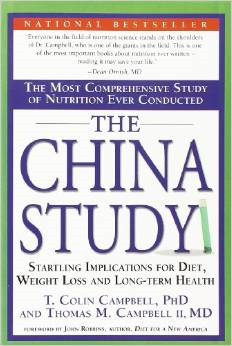
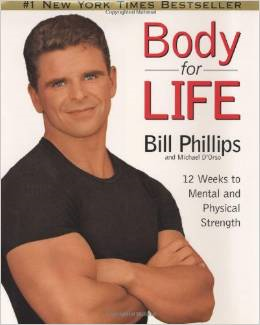
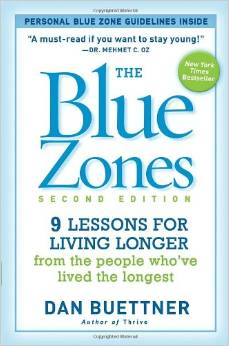
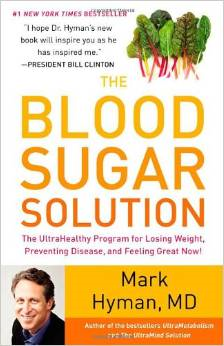
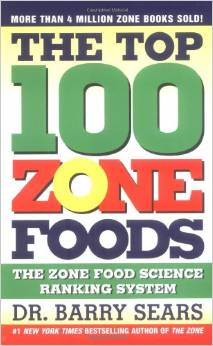
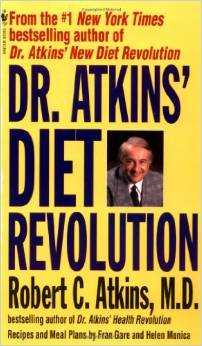
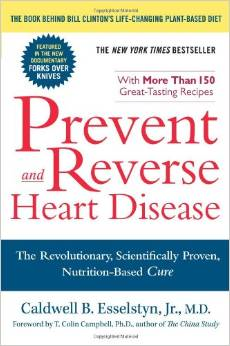
The South Beach Diet The Perfect 10 Diet The Life Plan The Top 100 Zone Foods The Disease Dillusion The China Study The Body For Life The Blue Zones The Blood Sugar Solution The Top 100 Zone Foods Dr. Atkins DietPrevent and Reverse Heart DiseaseThe Joe Dillon DiferencePower Foods

All of these books have their specific points-of-view.

Some of these advocate vegetarian or vegan food.

Some recommend high protein.

Some recommend low carbs.

Some balanced meals.

Some advocate very low amount fats.

Some recommend saturated fats. Some don’t.

Some focus on eating simple foods.

Some focus on sugar management.

Some say track (count) calories.

Some say don’t bother with calories counting.

So, what is one to do?

It is so easy to get lost in trees or the nuances of different food paradigms.

While there are so many things these books don’t agree on, there are also a lot they all do agree on.

Looking for what they do agree on, here are some basic principles I have extracted from these and other books and resources:

  1. What you eat, how much you eat and when you eat, all matter
  2. Eat clean
  3. Eat lots of vegetables and fruits
  4. Use only healthy fats and fat sources
  5. Incorporate sufficient proteins in your diet
  6. Best beverage to drink is pure water
  7. Add or subtract specific foods based on your personal needs

Over the next posts, I plan to take each of these items one at time and share my thoughts. For now, I would like to hear your feedback on this list of basic principles.

Have you seen any diet book or nutritional studies that violate any of these basic principles?

Do you think there should be other basic principles to add to this list?

Post #21 – So, this past week I turned 60 – exact mid-point of my 120-year goal. Yeah!

25 Monday Aug 2014

Posted by purposelyliveto120 in Aging, Living to 120, Puposely Living

≈ 2 Comments

I had a great birthday party, thanks to my wife Kimberly and a bunch of people she recruited.

Thanks to all who attended, I connected and reconnected with lots of family and friends. We enjoyed good food, danced through the evening to the music played by a great live band, received lots of wishes and prayers, had good fun and took lots of pictures to memorialize the event.

In the days following the party, we talked about how wonderful the party was.

And, now what?

Well, for one thing, I have started wondering what will my 90th birthday be like?

Where will I be health wise, mentally, emotionally, spiritually, and financially on my 90th birthday?

Which old and new friends and family members will be around to attend my 90th birthday party?

What new skills I will have on my 90th birthday that I did not have on my 60th?

To me, part of purposely living is to have a vision and design of life that one is purposely pursuing.

I know, nothing is guaranteed in life. And, the vision or design may be totally off the mark. After all, my life is not totally in my control.

For all I know, my Maker may have a totally different design for me. I may have to check out tomorrow or day after from this life. And then again, may be my Maker is waiting for my designs to figure out how to make that happen. But since I have not heard from my Maker either way, I might as well make plans that both of us could follow.

Is it even possible to envision personal life 30 years into the future? In the past thirty years, I have done this only in 4-year chunks and even that with not much precision.

Jim Collins and Morten Hansen open their book Great by Choice with a thesis:

You cannot predict the future. But you can create it.

They further elaborate this thesis as follows:

“Think back to 15 years ago, and consider what’s happened since, the destabilizing events – in the world, in your country, in the markets, in your work, in your life – that defied all expectations. We can be astonished, confounded, shocked, stunned, delighted, or terrified, but rarely prescient. None of us can predict with uncertainty the twists and turns our lives will take. Life is uncertain, the future unknown. This is neither good nor bad. It just is, like gravity. Yet the task remains: how to master our own fate, even so.”

And, then the rest of the book backs up that claim with various examples of businesses and people who prove his thesis.

That sounds like an interesting approach to life.

This is about as far as I have gone until today in thinking of my 90th birthday and towards a vision, design or plan for purposely living the next six decades.

Any thoughts?

I would like to believe that these are NOT simply musings of a mid-life crisis. That would be too simplistic a rationalization to dismiss these questions with.

I would love to hear how you approach life.

Post #20 – So, how much muscle can you gain in a short period and why you may want to?

10 Sunday Aug 2014

Posted by purposelyliveto120 in Aging, Bikram Yoga, Biomarkers for Stress, Ideal Body Weight, Lean Mass, Life-Span, Living to 120, Optimal Health, Percent Body Fat, Vitality, wellness, Yoga

≈ Leave a comment

In most health literature, one thing I find repeated over and over again is that muscle or lean body mass is a very important factor for health and longevity.

When I heard from Joe Dillon about 15 months ago a concrete technique to lose body fat and gain muscle mass, I got inspired. Although, I had generally been keeping track of my weight, up until then I had never really thought of tracking or targeting body fat and lean mass directly.

More I studied this topic, the more it all made sense. Weight and Body Mass Index (BMI) are just proxy for tracking body fat and lean mass, which are what really count. It is the body fat that is harmful and it is the lean mass that is helpful – and both in so many different ways. And, at times BMI and body fat can be very poor approximation of body fat and lean mass.

If in the process of losing weight, you lose muscle mass rather than fat, that is not a good thing at all. In fact, that can be very harmful to your health. Mark Hyman, MD talks about a term call skinny fat to describe someone who looks quite skinning, has good weight, but the weight is very disproportionately fat mass.

William Evans, Ph.D. and Irwin Rosenberg, MD in their seminal work, Biomarkers, The 10 Determinants of Aging You Can Control,” coined the term Sarcopenia, to describe a “disease” when someone lacks adequate lean body mass.

Jim Karas, in his book, The Business Plan for the Body”, calls lean mass the net worth. When he talks to business people, who understand financials, he explains weight, muscle and fat this way: weight is your total assets, fat is total debt and lean muscle mass is your equity or net worth. And, if you do nothing, starting with age 30, you lose muscle mass, about 7 lbs. per decade for men and women, and accelerating to one pound per year after menopause for women. So, if you do nothing to counteract, by the age of 60, you will have lost 21 lbs. of muscle mass and replaced with 21 plus your weight gained, since the age of 30, in body fat. Is that 31 lbs. or 41 lbs. or more of additional body fat? Yikes!

You get the idea.

Through all this studying, I found a new way to articulate that object of the game (or obsession) of weight loss, i.e., to simply target and measure percent body fat. And, Joe Dillon provided ideal targets. He feels that for optimal health men should have no more than 15% body fat, while woman should have no more than 22%. Further, he says, that the world class male athletes have body fat percent in the range of 6 to 12% and female athletes in the range of 12% to 18%.

So, instead of looking up on the BMI tables to estimate what ideal body weight should be, a precise method is:

Ideal weight = Body Fat Weight/0.15 for 15% body fat target.

Where, Body Fat Weight = Current Weight * Current % body fat

Current % body fat is measureable by taking seven different measurements with calipers and them plugging into calculator.

With all this knowledge in hand, I started my journey. On May 17, 2013, started with these measurements:

Table 4

Notice that in May 2013, at 23.9% body fat, my ideal weight was150.0 lbs. And, as it generally happens if I were to lose 17.5 lbs to get to 150.0, it will prTable 1obably not all be body fat. So, as more weight I lost lower my ideal body weight would need to be. No wonder this is a sucker’s game (or obsession)!

My goal was to lose body fat, while at the same time gain lean mass!

I changed my diet per Joe Dillon’s recommendations. Basically, took breads and sweets totally out of my meals and all processed foods, added more raw fruits and vegetables, decreased quantity of what I would eat and added about 150 grams of proteins through Whey concentrate and isolate shakes. I kept to my then most recent routine of one fitness/resistance training workout and two to three Bikram Yoga sessions a week.

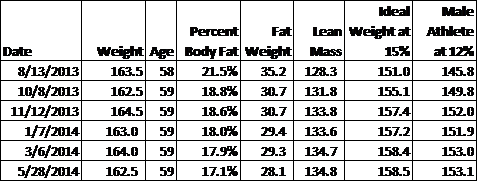
I progressed along pretty well as you can see in the table below, especially through the end of the year.

Table 5

Every month I was losing about a pound of fat and gaining a pound of lean mass. That seemed very encouraging. After a few months of watching that trend, I even raised my target. I started to ask, “Wouldn’t it be cool to get six-pack at sixty?” I have never had six-pack abs before. Why not? May be 12% body fat would do it.

And, then starting beginning of year, the progress sort of plateaued. In April, I added to my weekly workout routine Joe Dillon’s power walks with weights about three days a week. And, I started to make a very gentle progress again.

About then, I did some blood work and found out that my testosterone was low. Aha, may be that was the reason my progress had stalled! I theorized. Low-T and elevated estradiol wreaks havoc on lean mass for muscle. “Man boobs” are signs of low-T and elevated estradiol in men. Health literature is quite sure about this, e.g., check out, Testosterone for Life: Recharge Your Vitality, Sex Drive, Muscle Mass, and Overall Health by Abraham Morgentaler, MD.

So, I started to work on that through herbal supplements, which is still work-in-progress and another story for another day. Joe Dillon recommends getting that test up-front, which I did not do, so I did not really have any baseline numbers to compare.

About a month ago, I saw an exercise program by Shawn Phillips, who is a world class body sculptor. He called this program, Muscle Mania – a program made up of intense workouts, one muscle a day, every single day for 21 days. His promise was add 4 pound of muscle mass in 21 days.

I talked to our trainer Saleem and my wife Kimberly. Both were encouraging and we went for it. Starting July 16th, for the next 21 mornings, under Saleem’s coaching Kimberly and I worked out. (Actually on day 20, I did not feel well, so we skipped a day and finished the program in 22 days). For 21 days, we bombed one muscle group every morning: chest, biceps/triceps, legs, back, shoulders in whatever order and with whatever exercises the program recommended. Some days, I felt totally exhausted, some days very energized. But we pushed through it and finished the program as intended.

My right shoulder stiffened up a little during one of the bench press exercises. So, I started using the foam roller for rolling. Found it to be incredible beneficial. From then on, I incorporated about 10 minute of rolling as part of the warm up routine. Jeffry S. Life, MD Ph.D. in his book, “The Life Plan: How Any Man Can Achieve Lasting Health, Great Sex, and a Stronger, Leaner Body” recommends rolling for warm-ups and flexibility by working on the fascia.

So, here is the result.

Table 6

As of August 9, if I am measuring, it correctly (Kimberly did the measuring wherever I can’t reach), I have achieved 15.1% body fat! And, as the table shows my weight of 161.0 is the same as ideal weight of 160.9 at 15% body fat.

I did not really do the measurements before and after the 21-day program. But no doubt, I made most of this progress between May and August during the 21-day program. During this period, I lost 4 lbs. of body fat and gained 2 lbs. lean mass.

And, I can see hints of my six-pack! It seems like 12% body fat will surely make my abs visible.

So, there you have it – the story of my chase for 15% body fat and in turn for my ideal weight.

I definitely, feel more energized. This has also brought my cholesterol in line. I quit taking Lipitor last year in May, the same time I started this journey. And, the most recent blood work showed total cholesterol of 145, LDL of 88, HDL 43 and Triglycerides of 69. That is the best it has been even with Lipitor!

To continue the progress, for the near future, Kimberly and I are planning on two days of strength/resistance training, two days of some aerobics including power walks and two days of Bikram Yoga for flexibility, balance and cleansing the internal organs.

What are your thoughts or comments on this whole endeavor?

If any of this helps you or inspires you to take on some health challenge, I would love to hear about it and/or answer any questions you may have.

Post #19 – So, where do our ideas about food, medicine, and health come from?

27 Sunday Jul 2014

Posted by purposelyliveto120 in Aging, Nutrition, Stress, wellness

≈ Leave a comment

I recently heard a July 7 ,2014 story on the National Public Radio (NPR), and it blew me away. Here is an excerpt from it:

“For the past decade or so, [Mark] Petticrew and a group of colleagues in London have been searching through millions of documents from the tobacco industry that were archived online in the late ’90s as part of a legal settlement with tobacco companies.

What they’ve discovered is that both Selye’s work and much of the work around Type A personality [by two American cardiologists — Meyer Friedman and Ray Rosenman] were profoundly influenced by cigarette manufacturers. They were interested in promoting the concept of stress because it allowed them to argue that it was stress — not cigarettes — that was to blame for heart disease and cancer.”

You remember, in one of the previous post, I talked about endocrinologist Hans Selye being the pioneer of stress research and was even the first to use the term stress in the context of health?

Here is another one that made me shake my head, an essay in the Wall Street Journal May 6, 2014, about the link between saturated fat and heart disease that included the following:

“Butter and lard had long been staples of the American pantry until Crisco, introduced in 1911, became the first vegetable-based fat to win wide acceptance in U.S. kitchens. Then came margarines made from vegetable oil and then just plain vegetable oil in bottles.

All of these got a boost from the American Heart Association—which Procter & Gamble, the maker of Crisco oil, coincidentally helped launch as a national organization. In 1948, P&G made the AHA the beneficiary of the popular “Walking Man” radio contest, which the company sponsored. The show raised $1.7 million for the group and transformed it (according to the AHA’s official history) from a small, underfunded professional society into the powerhouse that it remains today.

After the AHA advised the public to eat less saturated fat and switch to vegetable oils for a “healthy heart” in 1961, Americans changed their diets. Now these oils represent 7% to 8% of all calories in our diet, up from nearly zero in 1900, the biggest increase in consumption of any type of food over the past century.”

And, I am sure by now you well know about Crisco and partially hydrogenated oils definitely not being good for a “healthy heart.”

I can’t but wonder, if this story that “saturated fats are not bad after all” in WSJ is factual or planted (or suggested, advised, recommended, advocated, proposed – you pick the right word) by the animal food industry.

Or, did you know that what you might have learned in the elementary school in the US, may be in 2nd, 3rd or 4th grade, about food groups, e.g.,

Milk Group (Build strong bones)

Meat Group (Build strong muscles)

Vegetable Group (Help you see in the dark)

Fruit Group (Help heal cuts and bruises)

Grain Group (Give us energy)

All these associations are the gift of marketing through school education by the National Dairy Council. [Chapter 15, the “science” of industry, The China Study, by T. Colin Campbell, Ph.D.]

What about the following:

“Eggs, bacon and toast is a perfect American breakfast”

“Orange juice is not for breakfast anymore”

“Pork – the other white meat”

“Chicken in every pot”

“Cholesterol causes heart attack”

“To lower cholesterol eat turkey”

The old saying, “follow the money” to get the real story, is definitely true in these cases.

In our house, when we used to watch commercial TV with our boys, I would insist that we turn the volume off during commercials. That was a one very small attempt to minimize the impact of commercials and programmed associations.

So, how do we figure out what is best for our health and longevity?

It is certainly not easy to filter this information out from the deep seeded subconscious associations we have, the financially motivated deluge of marketing information and finally the good old biases people have, whether scientists, politicians, professionals or friends and family?

Any thoughts? How do you  figure out what is best for you?

I would love to hear and learn.

[By the way, to leave your comment, click on the link “leave a comment” at the top right hand corner of the post just below the title, simply enter your comment in the box  that will appear where it says, “Enter your comment here..”. As soon as you put your cursor there, you will see a button “Post Comment” to click and submit after you have typed your comment]

Post #16 – What is stress really and why is it bad for longevity and health?

22 Sunday Jun 2014

Posted by purposelyliveto120 in Aging, Biomarkers for Stress, Life-Span, Optimal Health, Stress

≈ 1 Comment

Tags

Biomarkers, Cholesterol, Chronic Disease, Health Span, Life Span, Stress

Stress has become such a common buzz word. We all talk about it. We generally know it is bad for us. It is constantly in the news.

There are exceptions though. Some believe that stress is good, arguing that if you take away the stress you take away the motivation and drive.

But whenever I get into conversation with someone and start to dig a little deeper with questions like, “So, what do you think is stress?” “Why do you think that stress is bad?” Why do you think it is good?” Or, “How do you deal with stress?” The subject becomes very squishy, very quickly.

Even Hans Selye, the person who originally coined the term stress in 1936 in the context of health and spent life-time studying it, at one time threw up his hands and declared, “Everyone knows what stress is, but no one really knows.”

So, let us take the first question first, what is stress, any ways.

Webster’s Dictionary defines Stress as “a state of mental or worry caused by problems in your life, work, etc.”; or, “something that causes strong feelings of worry or anxiety”

According to the American Institute of Stress, another popular definition of stress is, “a condition or feeling experienced when a person perceives that demands exceed the personal and social resources the individual is able to mobilize.”

Few useful concepts, while talking about stress are:

Acute Stress: Fight or flight. The body prepares to defend itself. It takes about 90 minutes for the metabolism to return to normal when the response is over.

Chronic Stress: The cost of daily living: bills, kids, jobs…This is the stress we tend to ignore or push down. Left uncontrolled this stress affects our health- our body and our immune system. This is the type of stress that causes wear and tear on our bodies and can impact health and longevity.

Eustress: “Good stress” in daily life that has positive connotations, e.g., marriage, promotion, child birth, winning money, new friends, graduation

Distress: “Bad stress” in daily life that has negative connotations, e.g., divorce, punishment, injury, negative feelings, financial problems, work difficulties.

So, from  the point of view of theses definitions, the stress is really a subjective concept, based on how we perceive a thing or an event. The same event or activity, say a roller coaster ride, could be a eustress (good stress) for one person and distress for another. This is why psychologists or mental health practitioners often get involved in diagnosing and helping cope with chronic stress.

Although stress is a subjective concept, the impact on our bodies is often very objective and real. We have all experienced the rising of hairs on the back of the neck, the sweats, tension in our gut, racing of heart, dilating of pupils, and pumping of blood in our face, arms and legs.

As the following figure shows, stress starting in mind, causes, a chain reaction of neurological, chemical and biological processes. (Figure is taken from a presentation,Why Stress Is A Far More Important Cause Of Coronary Disease Than Cholesterol, by Paul J. Rosch, M.D., F.A.C.P. President, The American Institute of Stress)

Effects of Stress

Physiological effects of most acute stress events subside about 90 minutes after the conclusion of the stress event. Body returns to normal homeostasis or biological equilibrium.

However, it is the repeated acute stress events or chronic stress that are real cause for concern and take toll on our bodies. The results of such chronic stress can be objectively measured from a host of biomarkers that include (from Biomarkers of Chronic Stress, by Laalithya Konduru):

  • Metabolic Biomarkers: Cholesterol, Albumin, Waist-to-Hip Ratio, Glycosylated Hemoglobin
  • Immunological Biomarkers: IL-6, TNF-α, CRP, IGF-1
  • Neuroendocrine Biomarkers: Cortisol, DHEA, Adrenaline, Noradrenaline, Dopamine, Aldosterone
  • Certain Metabolites, chemical figure prints of cellular processes
  • Modifications in Mitochondria
  • Induction in the Brain of DRR1, a tumor suppressor gene

Most of us recognize some of these biomarkers. Others are quite esoteric. In any case, from this list, it does not take a neuroscientist to figure out that chronic stress can mess with a number of things that are key to our health: insulin, cholesterol, hormones, our immune system, can cause inflammation, reduce energy level in the body and impact working of our brain.

Looks like a real important subject to me, if we want to live healthy life free of chronic diseases for an optimal life span.

What do you think? How do you fee about stress?

In a future post, I would like to explore some anti-dotes to chronic stress

← Older posts
Newer posts →

Recent Posts

  • Post #69 – Resources I used to rehabilitate my knee: Part II – Knee Misalignment Issue
  • Post #68 – Resources I used to rehabilitate my knee: Part I – Diagnose and Fix Structural Issue
  • Post #67 – What is the Minimum Stack of Supplements to Take?
  • Post #66 – Optimal Health through Optimal Breathing
  • Post #65 – Fasting, the old new technology and panacea for Optimal Health – Part III

Recent Comments

purposelyliveto120's avatarpurposelyliveto120 on Post #66 – Optimal Health thro…
Michael Jansen Jr.'s avatarMichael Jansen Jr. on Post #66 – Optimal Health thro…
Michael Jansen Jr.'s avatarMichael Jansen Jr. on Post #65 – Fasting, the…
Sherri Boczar's avatarSherri Boczar on Post #64 – Fasting, the…
Sherri Boczar's avatarSherri Boczar on Post #63 – Fasting, the…

Archives

  • July 2024
  • June 2024
  • June 2022
  • January 2021
  • September 2019
  • August 2019
  • July 2019
  • September 2018
  • May 2018
  • February 2018
  • July 2017
  • September 2016
  • August 2016
  • July 2016
  • June 2016
  • May 2016
  • April 2016
  • March 2016
  • February 2016
  • January 2016
  • December 2015
  • November 2015
  • October 2015
  • September 2015
  • August 2015
  • July 2015
  • June 2015
  • May 2015
  • April 2015
  • March 2015
  • February 2015
  • January 2015
  • December 2014
  • November 2014
  • October 2014
  • September 2014
  • August 2014
  • July 2014
  • June 2014
  • May 2014
  • April 2014
  • March 2014

Categories

  • Aging
  • Autophagy
  • Bikram Yoga
  • Biomarkers for Stress
  • Breathing
  • Causes of Death
  • Causes of Death
  • Dying
  • Fasting
  • Functional Medicine
  • Ideal Body Weight
  • knee-pain
  • Lean Mass
  • Life-Span
  • Living to 120
  • meditation
  • Mental Health
  • Muscoskeletal alignment
  • Nutrition
  • Optimal Exercise
  • Optimal Health
  • Optimal Nutrition
  • Optimal Sleep
  • Percent Body Fat
  • Puposely Living
  • Quality of Life
  • Reversing Chronic Diseases
  • Stress
  • Supplements
  • TM
  • Uncategorized
  • Vigor
  • Vitality
  • wellness
  • Yoga

Meta

  • Create account
  • Log in
  • Entries feed
  • Comments feed
  • WordPress.com

Recent Posts

  • Post #69 – Resources I used to rehabilitate my knee: Part II – Knee Misalignment Issue
  • Post #68 – Resources I used to rehabilitate my knee: Part I – Diagnose and Fix Structural Issue
  • Post #67 – What is the Minimum Stack of Supplements to Take?
  • Post #66 – Optimal Health through Optimal Breathing
  • Post #65 – Fasting, the old new technology and panacea for Optimal Health – Part III

Recent Comments

purposelyliveto120's avatarpurposelyliveto120 on Post #66 – Optimal Health thro…
Michael Jansen Jr.'s avatarMichael Jansen Jr. on Post #66 – Optimal Health thro…
Michael Jansen Jr.'s avatarMichael Jansen Jr. on Post #65 – Fasting, the…
Sherri Boczar's avatarSherri Boczar on Post #64 – Fasting, the…
Sherri Boczar's avatarSherri Boczar on Post #63 – Fasting, the…

Archives

  • July 2024
  • June 2024
  • June 2022
  • January 2021
  • September 2019
  • August 2019
  • July 2019
  • September 2018
  • May 2018
  • February 2018
  • July 2017
  • September 2016
  • August 2016
  • July 2016
  • June 2016
  • May 2016
  • April 2016
  • March 2016
  • February 2016
  • January 2016
  • December 2015
  • November 2015
  • October 2015
  • September 2015
  • August 2015
  • July 2015
  • June 2015
  • May 2015
  • April 2015
  • March 2015
  • February 2015
  • January 2015
  • December 2014
  • November 2014
  • October 2014
  • September 2014
  • August 2014
  • July 2014
  • June 2014
  • May 2014
  • April 2014
  • March 2014

Categories

  • Aging
  • Autophagy
  • Bikram Yoga
  • Biomarkers for Stress
  • Breathing
  • Causes of Death
  • Causes of Death
  • Dying
  • Fasting
  • Functional Medicine
  • Ideal Body Weight
  • knee-pain
  • Lean Mass
  • Life-Span
  • Living to 120
  • meditation
  • Mental Health
  • Muscoskeletal alignment
  • Nutrition
  • Optimal Exercise
  • Optimal Health
  • Optimal Nutrition
  • Optimal Sleep
  • Percent Body Fat
  • Puposely Living
  • Quality of Life
  • Reversing Chronic Diseases
  • Stress
  • Supplements
  • TM
  • Uncategorized
  • Vigor
  • Vitality
  • wellness
  • Yoga

Meta

  • Create account
  • Log in
  • Entries feed
  • Comments feed
  • WordPress.com

Blog at WordPress.com.

  • Subscribe Subscribed
    • Purposely Live to120
    • Join 68 other subscribers
    • Already have a WordPress.com account? Log in now.
    • Purposely Live to120
    • Subscribe Subscribed
    • Sign up
    • Log in
    • Report this content
    • View site in Reader
    • Manage subscriptions
    • Collapse this bar
 

Loading Comments...