• About
  • Content Organized by Life-Style Choices

Purposely Live to120

~ Living to the full potential life-span with full vigor

Category Archives: Living to 120

Post #52 – How to Optimize Your Immune System? –  Part II  – With Nutrition

24 Sunday Apr 2016

Posted by purposelyliveto120 in Living to 120, Nutrition, Optimal Health, Optimal Nutrition, Supplements, Uncategorized, wellness

≈ 4 Comments

Tags

Aging, Allergies, living to 120, optimal health, Preventative Care, Vitality

In Post #51, I discussed some basic terminology of the immune systems, how immune system works, and what kinds of issues happen when it does not work. In this post the focus is what we can do to keep our immune system healthy and working as designed.

So, what can we do to optimize our immune system?

Things that are in our control to enhance our immunity and make sure that the immune system does not go haywire are the ones that you have heard about gazillions of time by now and are probably tired of hearing about: Nutrition, Exercise and Lifestyle.

Each one is a topic in itself.  In this post, let’s tackle nutrition.

Immune systems and nutrition

As Prof. Chris D’Adamo, Director of Research at Center of Integrative Medicine at University of Maryland School of Medicine, recently gave a talk summarizing research on different foods are known to have immunity enhancing properties. Lot of the content that follows is from his talk.

Mushrooms –  Over 5,000 different types of mushrooms exist in nature many of which are used in traditional medical systems.

In Shitake mushrooms Polysaccharides alpha-Glucans enhance immune system by enhancing the macrophage activity. Shitake mushrooms have been shown in research to have antibacterial, anti-fungal, anti-viral effects. They have also been shown to offer defense against influenza virus and useful in cancer therapy.

Maitake mushrooms enhance immune activity.  While White Button mushrooms have been shown to regulate immune activity, both up and down as needed and useful against breast and prostate cancers. So, eating a variety of mushrooms can enhance and regulate the immune system. 

Cooking mushrooms is better since many contain hyrozines, a carcinogen that is deactivated by heat.

As a practical tip, just wipe mushrooms clean and not  wash in water  since mushrooms are porous and soaking may make them soggy.

If you are not the mushroom eating type, mushroom extracts are as also available that blend different varieties of mushrooms. Here are some:

Mushroom extract

Allium Vegetables –  Garlic, Onions, scallions, shallots, chives, leeks,etc.

The Allium genus includes approximately 500 species that include garlic, onion, leeks, chives, scallions which are used all over the world in different delicacies. Some allium vegetables have been employed for millenia in the traditional medical practice to treat cardiovascular diseases.  These vegetables have been shown to have applications as antimicrobial, antithrombotic, antitumor, hypolipidaemic, antiarthritic and hypoglycemic agents.

In recent years, extensive research has focused on the anticarcinogenic potential of allium vegetables and their constituents, viz., allylsulfides and flavonoids (particularly quercetin which is present abundantly in onion). Epidemiological studies have shown that higher intake of allium products is associated with reduced risk of several types of cancers. These epidemiological findings are well correlated with laboratory investigations. Organosulfur compounds present in Allium vegetables, are considered to be responsible for the beneficial effects of these herbs.

To maximize health benefits of garlic crushing or chopping garlic bulb is important since it converts sulfur compound alliin to more bioactive allicin. It is also important to leave crushed/chopped garlic for serveral minutes before cooking for enhanced activity of allinase enzymes.

And, to maximize health benefits of onions, don’t overpeel.  Flavonoid content is highest in the outermost layers.

Probiotics or Fermented Foods

Bacteria in the gut, aka Gut Biota, continues to be one of the most exciting topic in health and wellness research. Gut biota and therefore probiotics play a huge role in immunity. Some believe as much as 50% of the immunity is in the gut.  Probiotics are defined as any live microorganisms that confer health benefits.

Foods fermented with “probiotic” bacteria or yeast are therefore very important to any diet to enhance immunity.  In traditional diets, common fermented foods are:

  • Miso and natto – fermented beans/grains usually soy
  • Kimchi – fermetend cabbage, radhishes, etc.
  • Kambuch – fermented tea
  • Yogurt, lassi, kefir – fermented dairy
  • Sauerkraut – fermented cabbage
  • Ogi – fermented grains

If not chosen carefully, any of these foods can be used in a way that turns them into junk food.  For example, in the US, we have taken healthful yogurt and turned it into a junk food by adding sugar and other additives.  To figure out what yogurt to buy, check out website  http://cornucopia.org/yogurt-scorecard/.   Out of 130 yogurts, the site lists Activa, Yoplait and Dannon as numbers 124, 126, and 129.

 Sugar in yoplait

If you choose to add a probiotic as a supplement, you may also need to do some research.  You will need to look into what genus, species and strains of bacteria a product contains. It is important that the supplement is shipped on ice, since probiotics diet if exposed to high temperatures. Following brands do ship their products on ice:
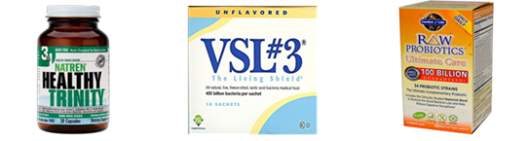
Probiotics

Other Supplements for Enhancing Immunity

Zinc is essential to immune function.  There is over 30 years of research that shows that Zinc reduces duration, severity and incidence of common cold.  You do need to take zinc within 24 hours of symptom onset for best effect.

Vitamin C is also essential for immune function.  Research has shown that vitamin c prevents common cold and reduces duration of cold symptoms among people who exercise regularly.

Elderberry is a dark-colored berry high in anthcyannis. It is shown to relieve flu symptoms and inhibit bronchitis virus replication.

Oregano oil has very strong antimicrobial properties.  It has very strong taste and can burn in contact with skin. So, it is taken in capsules or a few drops in water. Also, being antimicrobial it is not useful to take it at the same time you are taking probiotic or eating fermented foods.

An acute prevention/treatment plan for a cold or flu

With all this knowledge, Prof D’Adamo shared how he attacks with nutrition cold or flu if he sees it coming. As soon as possible after exposure or symptoms begin…

  • 1 gram of vitamin C every 1-2 hours
  • 1 full dropper oregano oil in water in morning (with food)
  • 2 Sambucol/Sambucus tablets morning & night (with food)
  • 50 mg zinc tablet morning & night (with food)
  • 2 mushroom extract capsules (New Chapter/Stamets morning & night
  • 100 billion CFU probiotics (Natren) with yogurt before bed
  • Drink water throughout day!!!

He is a pretty big guy.  So smaller people might need less, bigger people may need more or bigger doses.

Bottom Line

To optimize immune systems, the following should be part of diet or as supplements:

  • Variety of mushrooms
  • Allium vegetables – used properly
  • Fermented foods or probiotics

It is useful to have a personal plan and kit ready for attacking common colds and flu by boosting your immune system, as soon as you see it coming.  Research shows that you can prevent and reduce severity and/or duration. Zinc, Vitamin C, elderberry extract, probiotics, mushroom extract, oregano oil and plenty of water are past folklore and are now part of evidence-based medicine.


What are your thoughts on this subject?

Would love to hear from you and learn from you.

Please click on Comment to leave your comments or question so others can benefit from your input.
 

Post #50 – How to optimize your health by maximizing your telomeres?

21 Monday Mar 2016

Posted by purposelyliveto120 in Aging, Life-Span, Living to 120, Nutrition, Optimal Health, Uncategorized

≈ 3 Comments

Tags

Biomarkers, Health Span, Life Span, living to 120

What in the world is Telomeres? – you say

Well, if you have not heard of the word Telomeres, I will explain it here, since it is likely that you will be hearing about it more and more.  Especially, if you are interested in optimal health, living long and living health.

So, first here are some useful terms.

What is Telomere?

Telomeres are disposable buffers at the ends of chromosomes which are truncated during cell division. Their presence protects the genes before them on the chromosome from being truncated. During the process of each cell division, the telomere ends become shorter.

Hayflick Limit

An American scientist Leonard Hayflick established limits to cell replication what is now called Haflick Limit. The Hayflick limit is the number of times a normal human cell population will divide until cell division stops. Empirical evidence shows that the telomeres associated with each cell’s DNA will get slightly shorter with each new cell division until they shorten to a critical length.

Most cells will divide between 50 to 70 times before they cannot divide any more.

Role of Telomeres in Cellular Aging

As Hayflick first demonstrated, human cells have an inborn “counting mechanism” that tells them when to senesce, or stop dividing: Each time a cell replicates, the ends of each chromosome, i.e., telomeres, get shorter, and once the telomeres get too short, they trigger a “senescence program” that arrests the cell’s growth.

In short, telomeres represent body’s clock that determines our life-span and our health span.

Telomerase to the Rescue!

Telomerase is an enzyme that adds length back to the end of telomeres.  In a simple leap of logic, you can quickly figure that telomerase enzyme is an antidote to shortening of the telomeres.

As you can also guess things are probably not that simple.  They never are when it comes to human biology. But for this brief blog post, I will keep it simple.

So, with this premise of telomeres determining when cells say “uncle”.  And, Telomerase offering an antidote, race is on for researchers and entrepreneurs on many fronts.  Numerous questions are being asked and some have even been answered:

  • How do you measure telomeres inexpensively?
  • Do telomeres really correlate with one’s biological age?
  • Does telomere length account for life styles that have been known to determine one’s health span and lifespan?
  • What factors stimulate telomerase activity? Can we measure that?
  • What about the role of telomerase in cancer, where cell replication goes on without any limit?
  • And, so on and so on..

Some hard answers have emerged, well-rooted in hard science.  On the other hand, other answers are preliminary and people are making wild leaps of logic to get to the market first with commercial products and services.

Measuring Telomeres

Several companies now offer services to measure telomeres. For example, Titanovo, Inc., SpectraCell Laboratories, Telome Health, Inc.,  Telome Home.  Basically, you send them blood or swab and they will  send you your telomere measurements.

My experience

I recently got my telomeres measured by Titanovo, Inc.

I signed up online. They sent me a kit.  I swabbed inside of my cheeks and mailed it back.  I also filled in a lifestyle survey on their website they use to correlate the results with lifestyle.

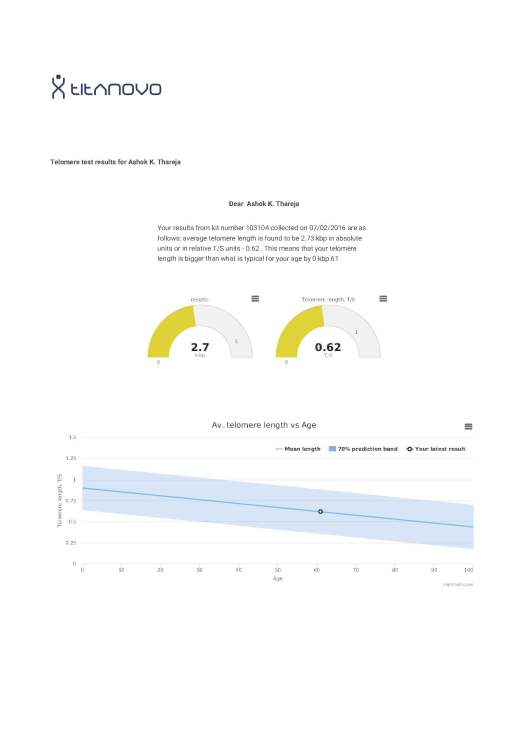
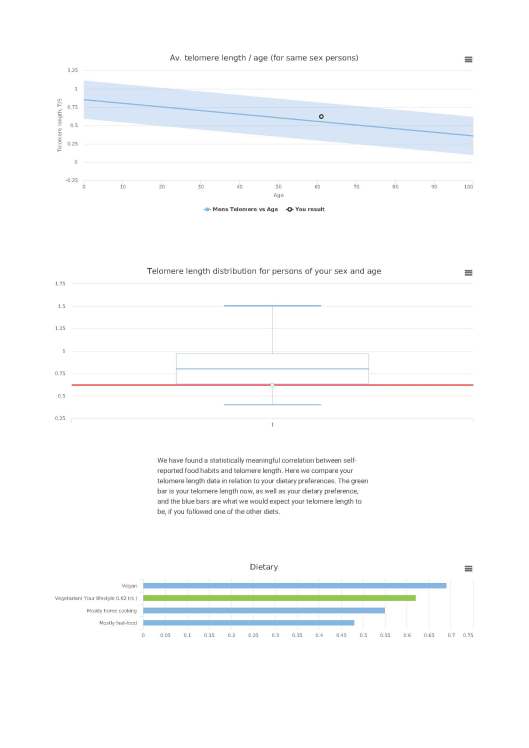
Few weeks later, they posted my results on their website.  The following pictures represent result I received.  (You can click on these to enlarge and make them readable)

Titanovo profile 3-2016_Page_1

Titanovo profile 3-2016_Page_2

What do my results mean?

Here is my take away.  My relative telomere length is 0.62, which if you interpolate on one of the charts that means my telomere corresponds to a 48 year old male. 13 year younger biologically sound pretty good to me!

I reported my diet as vegetarian.  If I were to change my diet to vegan, according to the last chart, my telomere length could be 0.67. That represents an additional opportunity for 8% advantage in terms of biological age.  8% increase in lifestyle is pretty significant to me.

Since I just started experimenting with a vegan diet about 3 week ago, I will be interested in retesting the telomere length in a year to see if the results correspond to what Titanovo is forecasting.

Titanovo sells bundles of multiple kits, so people can play with their lifestyles choices and then see the impact, in say 3 months at a time.

Bottom Line

  • This area of telomere and measuring impact of lifestyle choices through measuring telomere is quite exciting.
  • A lot of research is going on in both gaining fundamental understanding as well designing interventions that could potentially defeat body’s lifespan clock.
  • Sound like pretty cool stuff to me, if this works as advertised.
  • I bet we will be hearing a lot about this topic, so stay tuned.

What is your perspective of this topic?

I would love to hear and learn from you.

Please click on the “Comments” link to share you thoughts.


Post #49 – What is the role of massage therapy in Optimal Health?

14 Sunday Feb 2016

Posted by purposelyliveto120 in Aging, Optimal Health, Puposely Living, Quality of Life, Reversing Chronic Diseases, Stress, Uncategorized, wellness

≈ 2 Comments

Tags

Health Span, optimal health, Preventative Care, Vitality

After so many years, my wife and I finally surrendered to the suggestions of our trainer and started getting massages at least once a month. He had been telling us how massage can be great for recovering from the stresses left over from hard workouts.  And, about six months ago, we decided to give it a shot and get massages on a regular basis.

So, I thought I will take some time to do some research into the role of massage therapy and share the research and our own experience in this blog post.

man_massage_table

What Is Massage Therapy?

Massage therapy dates back thousands of years. References to massage appear in ancient writings from China, Japan, India, and Egypt.

According to National Center of Complementary and Integrative Health (NCCIH) of the National Institute of Health (NIH) the term “massage therapy” includes many techniques and the type of massage given usually depends on specific need, physical condition and the expertise of the massage therapist.

In general, massage therapists work on muscle and other soft tissue to help you feel better.  The following massages you hear most about in the US:

In Swedish massage, the therapist uses long strokes, kneading, deep circular movements, vibration, and tapping.

Deep (tissue)massage technique uses slower, more-forceful strokes to target the deeper layers of muscle and connective tissue, commonly to help with muscle damage from injuries.

Sports massage combines techniques of Swedish massage and deep tissue massage to release chronic muscle tension. It is adapted to the needs of athletes.

Myofascial trigger point therapy focuses on trigger points—areas that are painful when pressed and are associated with pain elsewhere in the body. Examples of these are:

  • Accupressure – where therapist applies strong physical pressure on specific point on the body.
  • Reflexology – Similar to acupressure where pressure is applied to certain points on hands and feet.

But there are other massages that are not quite as common and are based on Indian medicine, Ayuerveda:

Marma-point Massage – where a therapist applies very gentle touch to some or all of the 107 different marma-points in the body to correct any imbalances in the body

Shirodhara – where warm oil is poured to the forehead

Abhyanga – oil massage is done by two people with synchronized movements

Massage therapy is sometimes done using essential oils as a form of aromatherapy.

Benefits of Massage

A lot of the scientific research on massage therapy is preliminary or conflicting, but much of the evidence points toward beneficial effects on pain and other symptoms associated with a number of different conditions. Much of the evidence suggests that these effects are short term and that people need to keep getting massages for the benefits to continue.

While more research is needed to confirm the benefits of massage, some studies have found massage may also be helpful for:

  • Anxiety
  • Digestive disorders
  • Fibromyalgia
  • Headaches
  • Insomnia related to stress
  • Myofascial pain syndrome
  • Soft tissue strains or injuries
  • Sports injuries
  • Temporomandibular joint pain

According to Arthritis Foundation  regular massage of muscles and joints, whether by a licensed therapist at a spa or by self-massage at home, can lead to a significant reduction in pain for people with arthritis, according to Tiffany Field, PhD, director of the Touch Research Institute at the University of Miami School of Medicine, who’s conducted a number of studies on the benefits of massage, including on people with arthritis. In Field’s research and other recent studies on the effects of massage for arthritis symptoms, regular use of the simple therapy led to improvements in pain, stiffness, range of motion, hand grip strength and overall function of the joints.

In a study published in Science Translational Medicine by Dr. Mark A. Tarnoplsky et al found that a short, 10-minute Swedish-style massage session can reduce inflammation, which can help your muscles recover after a hard workout.

And, then of course, there are studies that attribute the benefits of massage just to receiving a dose of human touch that offers all sorts of healthy responses from lowering blood pressures, depression, improving immunity to oxytocin release for increased bonding response.

 What are the risks of Massage Therapy?

Massage therapy appears to have few risks when performed by a trained practitioner. However, massage therapists should take some precautions in people with certain health conditions. NCCIH recommend that:

  • In some cases, pregnant women should avoid massage therapy. Talk with your health care provider before getting a massage if you are pregnant.
  • People with some conditions such as bleeding disorders or low blood platelet counts should avoid having forceful and deep tissue massage. People who take anticoagulants (also known as blood thinners) also should avoid them. Massage should not be done in any potentially weak area of the skin, such as wounds.
  • Deep or intense pressure should not be used over an area where the patient has a tumor or cancer, unless approved by the patient’s health care provider.

Our Experience

Over the years, my wife and I have received massages during vacations etc.  We received several different Ayurvedic massages at the Ayurrvedic Institute in Albuquerque NM every day for a week of an intense detox and cleanse program called Panchakarma.  I have also received locally in Maryland Marma-Point massages.  And, now for the last six month, we are receiving massages once a month.

I described my experience of relieving migraine using acupressure in another blog post.

Massages that we receive from the same person every month are very therapeutic in that the therapist is getting to know our body. She is able to adjust her technique based on what our body needs. I am able to tell her any specific issue I may have. Usually these tend to be some stiff muscles that she could pay attention to.  During and after the massage, she is the one who tells me where the stiff muscles are.

Areas around my shoulders and neck are where I seem to burry my stresses and are getting more and more limber as a result of the massages.  I can definitely feel the result of my relaxed muscles in my yoga practice.

I have found Ayuervedic massages to be totally blissful. It blows me away how such gentle touches at the Marma-points or pouring of oil on third-eye can totally transport my body into a meditative state.

Bottom Line

Regular massage therapy definitely is valuable in creating and maintaining Optimal Health.  Repeating from the NCCIH website:

  • A lot of research on the effects of massage therapy has been carried out.
  • While often preliminary or conflicting, there is scientific evidence that massage may help with back pain and may improve quality of life for people with depression, cancer, and HIV/AIDS.
  • Massage therapy appears to have few risks if it is used appropriately and provided by a trained massage professional.

What do you think?

What are your experiences and knowledge of massages therapy?  

Please share your thought by clicking on “Leave A Comment” link.

I would love to learn and share with others what I learn from you?


Post #48 – Is cancer preventable through optimal healthy living?

10 Sunday Jan 2016

Posted by purposelyliveto120 in Causes of Death, Ideal Body Weight, Living to 120, Nutrition, Optimal Exercise, Optimal Health, Optimal Nutrition, Supplements, Uncategorized, Vitality, wellness

≈ 6 Comments

Tags

Acute Diseases, Lifestyle, Live to 120, Losing Vitality, optimal health, Preventative Care

My wife Kimberly was telling me the other day that 2015 has been quite a remarkable year in that we had several cancer episodes among our friends and families.  Even a couple of them died.

So, that got me thinking… is cancer preventable through optimal healthy living?

What is cancer anyways?

According National Institute of Health (NIH), National Cancer Institute (NCI) website www.cancer.gov, cancer is the name given to a collection of related diseases. In all types of cancer, some of the body’s cells begin to divide without stopping and spread into surrounding tissues.

Cancer can start almost anywhere in the human body, which is made up of trillions of cells. Normally, human cells grow and divide to form new cells as the body needs them. When cells grow old or become damaged, they die, and new cells take their place.

When cancer develops, however, this orderly process breaks down. As cells become more and more abnormal, old or damaged cells survive when they should die, and new cells form when they are not needed. These extra cells can divide without stopping and may form growths called tumors.

Many cancers form solid tumors, which are masses of tissue. Cancers of the blood, such as leukemias, generally do not form solid tumors.

Cancerous tumors are malignant, which means they can spread into, or invade, nearby tissues. In addition, as these tumors grow, some cancer cells can break off and travel to distant places in the body through the blood or the lymph system and form new tumors far from the original tumor.

A cancer that has spread from the place where it first started to another place in the body is called metastatic cancer. Under a microscope, metastatic cancer cells generally look the same as cells of the original cancer.

How does cancer arise?

Cancer is a genetic disease—that is, it is caused by changes to genes that control the way our cells function, especially how they grow and divide. Three main types of genes may be involved—proto-oncogenes or genes involved in normal cell growth, tumor suppressor genes, and DNA repair genes. These changes are sometimes called “drivers” of cancer.

Genetic changes that cause cancer can be inherited from our parents. They can also arise during a person’s lifetime as a result of errors that occur as cells divide or because of damage to DNA caused by certain environmental exposures. Cancer-causing environmental exposures include substances, such as the chemicals in tobacco smoke, and radiation, such as ultraviolet rays from the sun. (Our Cancer Causes and Risk Factors page has more information.)

Inherited genetic mutations play a major role in about 5 to 10 percent of all cancers. Researchers have associated mutations in specific genes with more than 50 hereditary cancer syndromes, which are disorders that may predispose individuals to developing certain cancers.

How to prevent cancer?

So, now finally getting to the topic we started with – how to prevent cancer. Here are the four major ways to help prevent cancer:

  1. Avoid or control things known to cause cancer.
  2. Changes in diet and lifestyle.
  3. Finding precancerous conditions early. Precancerous conditions are conditions that may become cancer.
  4. Chemoprevention (medicines to treat a precancerous condition or to keep cancer from starting).

Let us take these items one at a time.

  1. Avoid or control things known to cause cancer.

Factors that are known to increase the risk of cancer:

  • Cigarette Smoking and Tobacco Use
  • Infections: HPV, Hepatitis B and C, Espstein-Barr virus, Helcobater pylori
  • Radiation: Ultraviolet sunlight, medical radiation, radon gas in homes
  • Immunosuppressive Medicines
  1. Changes in diet and lifestyle

Factors that may affect the risk of cancer:

  • Diet
  • Alcohol
  • Physical Activity
  • Obesity
  • Environmental Risk Factors: second hand smoke, asbestos, air pollution, pesticides, arsenic in drinking ware

Diet is anything we put in our mouths on a regular basis.

Diet is always a controversial subject. Media loves to talk about any new tidbit that comes out through research regarding diet.

Some studies show that fruits and non-starchy vegetables may protect against cancers of the mouth, esophagus, and stomach. Fruits may also protect against lung cancer.

Some studies have shown that a diet high in fat, proteins, calories, and red meat increases the risk of colorectal cancer, but other studies have not shown this.

It is not known if a diet low in fat and high in fiber, fruits, and vegetables lowers the risk of colorectal cancer.

According to American Cancer Society website www.cancer.org, here are the dietary guidelines to prevent cancer:

  • Be as lean as possible throughout life without being underweight.
  • Avoid excess weight gain at all ages. For those who are overweight or obese, losing even a small amount of weight has health benefits and is a good place to start.
  • Choose foods and drinks in amounts that help you get to and maintain a healthy weight.
  • Limit how much processed meat and red meat you eat.
  • Eat at least 2½ cups of vegetables and fruits each day.
  • Choose whole grains instead of refined grain products.
  • Avoid alcohol or drink no more than 1 drink per day for women or 2 per day for men.

T. Colin Campbell, PhD distills his 30 years of research on cancer and diet in “The China Study”. He concludes that a vegan diet minimizes the risk of all types of cancers as well as many other types of health risks.

For Physical Activity, American Cancer Society recommendation is for cancer prevention:

  • Exercise:
    • Adults: Get at least 150 minutes of moderate intensity or 75 minutes of vigorous intensity activity each week (or a combination of these), preferably spread throughout the week.
    • Children and teens: Get at least 1 hour of moderate or vigorous intensity activity each day, with vigorous activity on at least 3 days each week.
  • Limit sedentary behavior such as sitting, lying down, watching TV, and other forms of screen-based entertainment.

Doing some physical activity above usual activities, no matter what one’s level of activity, can have many health benefits.

  1. Finding cancer or precancerous conditions early. Precancerous conditions are conditions that may become cancer.

Then there is the matter of “early detection and early cure.”

Cancer is a group of diseases that can cause almost any sign or symptom. The signs and symptoms will depend on where the cancer is, how big it is, and how much it affects the organs or tissues. If a cancer has spread (metastasized), signs or symptoms may appear in different parts of the body.

 Treatments work best when cancer is found early – while it’s still small and is less likely to have spread to other parts of the body. This often means a better chance for a cure, especially if the cancer can be removed with surgery.

A good example of the importance of finding cancer early is melanoma skin cancer. It can be easy to remove if it has not grown deep into the skin. The 5-year survival rate (percentage of people who live at least 5 years after diagnosis) at this early stage is around 98%. Once melanoma has spread to other parts of the body, the 5-year survival rate drops to about 16%.

Some symptoms, such as tiredness or coughing, are more likely caused by something other than cancer. Symptoms can seem unimportant, especially if there’s a clear cause or the problem only lasts a short time. In the same way, a person may reason that a symptom like a breast lump is probably a cyst that will go away by itself. But no symptom should be ignored or overlooked, especially if it has lasted a long time or is getting worse.

Most likely, symptoms are not caused by cancer, but it’s important to have them checked out, just in case. If cancer is not the cause, a doctor can help figure out what the cause is and treat it, if needed.

These days it is not that difficult to get one’s genome mapped and find out any cancer syndromes that might be present and actively take the necessary preventative actions.

The American Cancer Society recommends these cancer screening guidelines for early detection of cancer  for most adults. Screening tests are used to find cancer before a person has any symptoms.

  1. Chemoprevention (medicines to treat a precancerous condition or to keep cancer from starting).

Chemoprevention is the use of substances to lower the risk of cancer, or keep it from recurring. The substances may be natural or made in the laboratory. Some chemopreventive agents are tested in people who are at high risk for a certain type of cancer. The risk may be because of a precancerous condition, family history, or lifestyle factors.

Some chemoprevention studies have shown good results. For example, selective estrogen receptor modulators (SERMS) such as tamoxifen or raloxifene have been shown to reduce the risk of breast cancer in women at high risk. Finasteride and dutasteride have been shown to reduce the risk of prostate cancer.

Bottomline

Cancer is a genetic disease that may be the result of either mutated inherited genes or the ones occur later due to health, lifestyle and environment issues.  Only about 5 to 10% of the risk of cancer is due to mutated inherited genes.

Yes, healthy lifestyle choices we have been discussing in other blog posts do lead to decreasing the chances of cancer.  To minimize the risk of cancer:

  1. Be of Lean weight
  2. Eat clean with lots of fruits and vegetables and only sparing amount of white meats
  3. Avoid the use of alcohol or tobacco
  4. Avoid second-hand smoke, pesticides and other environmental carcinogens
  5. Stay active and exercise
  6. Get regular checkups and screening tests
  7. In case of any signs or symptoms, get a quick check up to rule out any cancerous or precancerous condition.


Your thoughts on this subject?

Would love to hear, learn and share information.

If possible, please do leave comment in the blog itself, so others can share and learn.

#47 – What does optimal dental health look like and how to achieve it?

06 Sunday Dec 2015

Posted by purposelyliveto120 in Living to 120, Optimal Health, Uncategorized, Vitality, wellness

≈ Leave a comment

Tags

Life Expetancy, living to 120, optimal health, Preventative Care, Vitality

A couple of years ago, during one of my regular visits to my dentist, I told him that my goal is to live to 120 and wanted to make sure that my teeth will last and stay healthy until then.

He immediately turned to me hygienist and said, “Dr. Thareja here has just given us permission to challenge him to do everything he needs to do for optimal dental health.”

Now I was 35 years old when I visited a dentist for the first time. You see, I grew up in India. My parents taught me that all I needed to do was brush my teeth every day and my teeth will be just fine. But something bothered me all the time.  Both my parents had lost most of their teeth when they were in their forties. They had gotten the last few pulled out so that they could get fitted with dentures.

Turning 35, even though nothing was hurting, I realized that I did not cherish the thought of having dentures in my forties.  Hence the first visit to the dentist.

The dentist was surprised to learn that I had never seen a dentist until that day.  He did a thorough cleaning. Although there was bleeding and pain during the cleaning, there were really no issues – no cavities, no gum disease etc. He told me to regularly brush and floss.

I bought floss and tried it for a few times. I did not really know how to do the flossing or what good it was doing. I did a little bit of reading, but gingivitis, tartar, gum disease, plaque these words did not seem to make any sense to me. So, I stopped flossing and went back to just brushing my teeth. And, continued with my once a year visit with the dentist.

Few years later, a dentist moved into our office building it. I decided to try him out.  My very first visit with Dr. Doug Drewyer’s office was quite different. He asked me that they would like to measure my gum separation before doing the cleaning. After the hygienist had done the measurements, Dr. Doug explained the significance of the measurements. He showed me that for certain teeth gums had separated much more. And, that was not good.

My next question was obvious: What could I do to prevent this gums separating from the teeth?  He told me the key was flossing. Since with flossing, you scrape off any plaque that might cause gums to inflame, lose vitality in the tissue and start separating from the teeth and eventually result in teeth falling out – even when the teeth themselves are healthy.

So then it finally made sense to me: So that’s how my parents lost their healthy teeth even when they were brushing every day!! 

Initially, Dr. Doug told me to floss just twice a week and then three times a week and then every day.  I later learned that he was taking this incremental approach to not overwhelm me.  His experience is that if he tells patients to floss every day on the first visit, very few are able to do that.

You may have heard the dentist joke.  Someone asks his dentist, “Which teeth should I floss?”  Dentist’s snap answer, “Only the ones you want to keep!”

Researching for this blog, I found a website called Mouth Healthy, sponsored by American Dental Association. It has a lot of very user-friendly information that explains all those things that I was trying to learn 15 to 20 years ago. And, if you are not familiar with these basis terms, here is a quick overview:

Your teeth are covered with a sticky film called plaque that can contribute to tooth decay and gum disease. Plaque contains bacteria, which following a meal or snack containing sugar can release acids that attack tooth enamel. Repeated attacks can cause the enamel to break down, eventually resulting in cavities. Check out these fascinating (or disgusting?) pictures of plaque attack close up.

Cavities, or tooth decay, is the destruction of your tooth enamel, the hard, outer layer of your teeth. It can be a problem for children, teens and adults. Plaque, a sticky film of bacteria, constantly forms on your teeth. When you eat or drink foods containing sugars, the bacteria in plaque produce acids that attack tooth enamel. The stickiness of the plaque keeps these acids in contact with your teeth and over time the enamel can break down. This is when cavities can form. A cavity is a little hole in your tooth.

Cavities are more common among children, but changes that occur with aging make cavities an adult problem, too. Recession of the gums away from the teeth, combined with an increased incidence of gum disease, can expose tooth roots to plaque. Tooth roots are covered with cementum, a softer tissue than enamel. They are susceptible to decay and are more sensitive to touch and to hot and cold. It’s common for people over age 50 to have tooth-root decay.

Decay around the edges, or a margin, of fillings is also common for older adults. Because many older adults lacked benefits of fluoride and modern preventive dental care when they were growing up, they often have a number of dental fillings. Over the years, these fillings may weaken and tend to fracture and leak around the edges. Bacteria accumulate in these tiny crevices causing acid to build up which leads to decay.

Decay can also be the result of dry mouth, which can be caused by certain medication or other health issues.

Plaque that is not removed with thorough daily brushing and cleaning between teeth can eventually harden into calculus or tartar. This makes it more difficult to keep your teeth clean. When tartar collects above the gum line, the gum tissue can become swollen and may bleed easily. This is called gingivitis.

Gingivitis is the early stage of gum disease. Gum disease, also known as periodontal disease, is an infection of the tissues that surround your teeth, and is caused by a buildup of plaque. In its early stages, symptoms may include:

  • gums that bleed easily
  • red, swollen, tender gums
  • bad breath

Some factors that can put you at higher risk of developing gingivitis include:

  • poor dental care
  • smoking or chewing tobacco
  • genetics
  • crooked teeth that are hard to keep clean
  • pregnancy
  • diabetes
  • medications, including steroids, certain types of anti-epilepsy drugs, cancer therapy drugs, some calcium channel blockers and oral contraceptives

Take care of your gums…help your heart?

The American Heart Association published a Statement in April 2012 supporting an association between gum disease and heart disease. The article noted that current scientific data do not indicate if regular brushing and flossing or treatment of gum disease will decrease the incidence, rate or severity of the narrowing of the arteries (called atherosclerosis) that can lead to heart attacks and strokes. However, many studies show an as-yet-unexplained association between gum disease and several serious health conditions, including heart disease, even after adjusting for common risk factors.

You may have seen health and lifestyle surveys used for estimating life-expectancy that want to know if you floss daily. If you do the models give you credit for an extra 2 to 4 years of life.

You may have seen commercial or ads for chewing gum claiming better dental health from chewing gum.  What is that about? Saliva, or spit, plays a significant role in maintaining oral health. It is derived from blood and acts as the bloodstream of the mouth. What this means is, like blood, saliva helps build and maintain the health of soft and hard tissues. When saliva flow is reduced oral health problems such as tooth decay and other oral infections can occur. Chewing is the most efficient way to stimulate salivary flow. It causes muscles to compress the salivary glands and release saliva. Saliva

  • Washes away food and debris from teeth and gums
  • Helps moisten and break down food to ease swallowing and enhances ability to taste
  • Provides disease-fighting substances throughout your mouth to help prevent cavities and other infections
  • Helps keep the surface of your teeth strong by providing high levels of calcium, fluoride and phosphate ions at the tooth surface.

Bottom Line

So, when I asked Dr. Doug to tell me everything I need to do to have my teeth until 120, he incrementally added a suggestion of using tiny gum brush to catch plaque that floss might not catch. But other than that he reinforced the same things that he has told me before – which is very consistent with everything I have learned through my research.

You can help prevent tooth decay, cavities, gum disease etc. and keep healthy teeth for life by following these tips:

  1. Brush twice a day with fluoride toothpaste.
  2. Clean between your teeth daily with floss or interdental cleaner.
  3. Eat nutritious and balanced meals and limit snacking.
  4. Check with your dentist about the use of supplemental fluoride, which strengthens your teeth, and about use of dental sealants (a plastic protective coating) applied to the chewing surfaces of the back teeth (where decay often starts) to protect them from decay.
  5. Visit your dentist regularly for professional cleanings and oral examination.

And, if you are not sure how exactly to floss, here are instructions from National Institute of Dental and Craniofacial Research: PLAQUE: What it is and how to get rid of it.  You will notice that NIH also recommends brushing (or scraping) tongue in addition to the teeth.

I can tell you from my experience that the above list of five steps works. These days my twice annual dentist cleaning visits are basically cleaning stains and some scarping and very little, if any, pain, bleeding or discomfort. And, it has been getting better over time.

What are your thoughts and experience on maintaining optimal dental health?

I would love to learn from you.

Post #46 – What is Arthritis and what can you do about it?

16 Monday Nov 2015

Posted by purposelyliveto120 in Aging, Bikram Yoga, Optimal Exercise, Optimal Health, Reversing Chronic Diseases, Vitality

≈ 2 Comments

Tags

Aging, Bikram Yoga, Chronic diseases

I often hear my contemporaries talk about pain in the knees, hands, shoulder, back. When I ask them what is going on, a common response is: “It is just arthritis.”  When I probe further about what kind of arthritis or what are they doing about it, I may get answers like:

  • No idea, have not talked to a doctor yet
  • Just have to live with it, I guess
  • Managing with pain meds
  • I could have surgery, but it is not that bad yet.

So, I thought I will go ahead and share what I have experienced and learned over the years on this topic

My ambition to run a marathon thwarted

Almost twenty years ago, I met Stu Mittleman, an ultra-distance running champion. He won the 1,000 Mile World Championship and set a new world record by running the distance (1 609.344 kilometers) in 11 days, 2 hours, 6 min. 6 sec. (Yes, that is right one thousand mile!). After winning that race, he got himself admitted to a graduate school to figure out how he did what he did.

With that knowledge and experience, he started teaching mere mortals how to run marathons.  When I met, I was so inspired, I signed up.

So, with his coaching program, I started building up my endurance. I ran my first 5K. And, then, my knees started hurting. He had no ideas on how to fix my knees.  So, I quit running.

Knees got worse over the next few years. I went to a Sports Medicine guy. He took a quick look at the X-ray of my knees and said, “Looks like arthritis. Do some physical therapy. When they are not good enough to do what you want to do, we can always go in and clean them up.”

So, what the heck is this Arthritis?

There are two excellent, very accessible resources for arthritis:  Arthritis Foundation and NIH National Institute of Arthritis and Musculoskeletal and Skin Diseases.  Per the Arthritis Foundation website:

Arthritis is very common but is not well understood. Actually, “arthritis” is not a single disease; it is an informal way of referring to joint pain or joint disease. There are more than 100 different types of arthritis and related conditions. People of all ages, sexes and races can and do have arthritis, and it is the leading cause of disability in America. More than 50 million adults and 300,000 children have some type of arthritis. It is most common among women and occurs more frequently as people get older.

Common arthritis joint symptoms include swelling, pain, stiffness and decreased range of motion. Symptoms may come and go. They can be mild, moderate or severe. They may stay about the same for years, but may progress or get worse over time. Severe arthritis can result in chronic pain, inability to do daily activities and make it difficult to walk or climb stairs. Arthritis can cause permanent joint changes. These changes may be visible, such as knobby finger joints, but often the damage can only be seen on X-ray. Some types of arthritis also affect the heart, eyes, lungs, kidneys and skin as well as the joints.

There can be many underlying causes for swelling, inflammation, stiffness and pain in the joints. For example, Rheumatoid Arthritis, Lupus, Infectious Arthritis and Osteoarthritis can all cause these symptoms, but they are all very different diseases. It is very important to figure out with the help of a doctor what you are dealing with.

Osteo-arthritis is the most common type of arthritis. Per NIH website on Osteoarthritis:

Osteoarthritis (AH-stee-oh-ar-THREYE-tis) is the most common type of arthritis and is seen especially among older people. Sometimes it is called degenerative joint disease. Osteoarthritis mostly affects cartilage (KAR-til-uj), the hard but slippery tissue that covers the ends of bones where they meet to form a joint. Healthy cartilage allows bones to glide over one another. It also absorbs energy from the shock of physical movement. In osteoarthritis, the surface layer of cartilage breaks and wears away. This allows bones under the cartilage to rub together, causing pain, swelling, and loss of motion of the joint. Over time, the joint may lose its normal shape. Also, small deposits of bone—called osteophytes or bone spurs—may grow on the edges of the joint. Bits of bone or cartilage can break off and float inside the joint space. This causes more pain and damage.

Figure Showing a Healthy Knee

Knee without damage

Figure Showing Knee with Severe Osteoarthritis

Knee with damage

A doctor friend of mine told me that when doctors don’t know what the disease is, they call it osteoarthritis.  And, that is not far from the truth. If you eliminate, other diseases that might be causing inflammation, e.g., auto-immune diseases, it is osteo-arthritis.  Underlying disease causing damage to cartilage is not known at this point – if it is not one of the other specific diseases.

So, what can you do?

Well treatment can be quite different based on the type of arthritis or the condition that might be causing the joint issues.

However, in case of osteoarthritis, which is often the most common and age related, here are the treatment options, according to NIH:

  • Exercise
  • Weight control
  • Rest and relief from stress on joints
  • Nondrug pain relief techniques and alternative therapies
  • Medications to control pain
  • Surgery

Notice that exercise is on the top of the list. As soon as most people start to feel pain in the joints, guess what do they give up? Yep, exercise.  And, what do they need most to keep ostearthritis in check? Yep, exercise.

And, that is an interesting paradox I have seen played out again and again – including with my own mother.

Back to My Knee

Having learned the theory, I took on three things aggressively:

  1. Strength training to strengthen everything involved in functioning of my knee: quads, calves, hamstrings, and stabilizers muscles and ligaments.
  2. e-cises by Pete Egoscue to realign my knee since my knees were a little pronated and that was probably the reason why running aggravated my knees.
  3. Doing Bikram Yoga to help flush out any bone spurs or lose particles
  4. Started on supplement of Glucosamine Sulfate with Chondroitin and MSM that help rebuild the cartilage. See http://www.lifeextension.com/vitamins-supplements/item03157/glucosamine–chondroitin–msm#panelSupplements.

My goal was to be pain-free when I doing lunges with free weight, squats and single leg jump ropes. And, I am happy to say that I have been able to get there.

In my last X-ray, I still noticed some bone spur and what radiologist called “mild arthritis”.   I would really like to reverse that without any surgery. So, the chase is still on.

Bottomline

  1. If you have any stiffness, swelling, inflammation, or pain in the joints, it is important to get it checked out with the primary physician and if necessary with a Rheumatologist to first figure out what are you dealing with.
  2. If it is osteoarthritis, the following is a good list in order of priority:
    1. Exercise
    2. Weight control
    3. Rest and relief from stress on joints
    4. Nondrug pain relief techniques and alternative therapies
    5. Medications to control pain
    6. Surgery
  3. If it is other than osteoarthritis, use Arthritis Foundation and NIH National Institute of Arthritis and Musculoskeletal and Skin Diseases  to study up and pursue your options.

I would love to hear your perspective on this topic.

What is your experience and knowledge from which I and others could learn?

#45 – Does Testosterone Replacement Therapy Increase Your Chances of Heart Attack?

01 Sunday Nov 2015

Posted by purposelyliveto120 in Aging, Optimal Health, Supplements

≈ 1 Comment

Tags

Testosterone

Ever since I learned about testosterone and Testosterone replacement therapy (TRT) and had personal experience I have looked for opportunities to publicize this.

On September 7, 2015, I published on this blog post #43: What is the role of Testosterone Replacement Therapy for Optimal Health? There I discussed the downside and upside of undergoing TRT  for men.

Well, at least two men that I know of, inspired by these conversations and the blog post went to their doctors, got their testosterone (T) levels checked and found that their clinical conditions were correlated with the very low T levels.  However, on both cases their doctors told them they would not recommend TRT since it would increase their chances of heart attack.

When I learned of this, I decided to research this notion of increased chances of heart attack with TRT and hence this blog post.

An article was published in Journal of American Medical Association September 2013 issue: Vigen R, O’Donnell CI, Barón AE, et al. Association of testosterone therapy with mortality, myocardial infarction, and stroke in men with low testosterone levels. JAMA. 2013;310(17):1829-36.  The conclusion of the research was:

“Among a cohort of men in the VA health care system who underwent coronary angiography and had a low serum testosterone level, the use of testosterone therapy was associated with increased risk of adverse outcomes. These findings may inform the discussion about the potential risks of testosterone therapy.”

Basically, they looked at the historical patient data on the computers (not patient charts) for those who had heart health issues (they had undergone angiography) and had low-T.  Researchers then compared the mortality results of those who had undergone TRT against those who had not.  Based on their statistical analysis of this data, they presented the above conclusion.

Media picked up this story and ran with it. Of course, adding all kinds of media color on these results. If you Google the title of this article, you will see many media stories.

And, of course, medical malpractice lawyers picked up the story and started to put together class action law suits against doctors and practices.

Prospect of the Malpractice law suits will scare the dickens out of any doctor, who is not expert in TRT.  No wonder, the two men that I referred to above got the response they got from their doctors.

Of course, you know that there are at least three sides to every story. So, here are the three sides of this story.

RESPONSE FROM FDA

Here is the most recent word from the FDA on this topic as a result of the study and the various Advisory Committee Meetings (See http://www.fda.gov/drugs/drugsafety/ucm436259.htm for full text):

“Testosterone is FDA-approved as replacement therapy only for men who have low testosterone levels due to disorders of the testicles, pituitary gland, or brain that cause a condition called hypogonadism. Examples of these disorders include failure of the testicles to produce testosterone because of genetic problems, or damage from chemotherapy or infection. However, FDA has become aware that testosterone is being used extensively in attempts to relieve symptoms in men who have low testosterone for no apparent reason other than aging. The benefits and safety of this use have not been established… Based on our findings, we are requiring labeling changes for all prescription testosterone products to reflect the possible increased risk of heart attacks and strokes associated with testosterone use. Health care professionals should make patients aware of this possible risk when deciding whether to start or continue a patient on testosterone therapy…

RESPONSE FROM Urology Care Foundation

The official foundation of the American Urological Association (specialists who you would normally consult for TRT had the following response (See http://www.urologyhealth.org/patient-magazine/magazine-archives/2014/summer-2014/testosterone-replacement-therapy-is-it-right-for-you for full response)

“On January 31, 2014, the Food and Drug Administration (FDA) stated they would study the risk of heart attack, stroke and death in men taking testosterone replacement therapy (TRT). This was after two recent studies suggested that TRT raises the risk of heart attack in men.

The American Urological Association (AUA) has followed these reports closely. The AUA notes there are also conflicting studies suggesting TRT may lower heart attack risk. More studies need to be done to be certain whether and how TRT changes men’s risk of heart attack.

The AUA is also concerned about misuse of TRT. You should not take testosterone for non-medical reasons, such as bodybuilding, preventing aging changes or performance enhancement. Men should not take TRT if they have normal testosterone levels or if their testosterone levels have not been tested. If you have normal testosterone levels, using TRT will not help your health problems.”

RESPONESE FROM Life Extension Foundation

Life Extension Foundation is generally at the cutting edge of evidence-based recommendations for supplements and therapies for optimal health that might not yet be in the mainstream. Here is summary of their take on the controversy: (See the full article at http://www.lifeextension.com/magazine/2014/3/response-to-media-reports-associating-testosterone-treatment-with-greater-heart-attack-risk/page-01)

The age-related decline of men’s testosterone levels is inevitable.

Unless aging men replace their diminishing testosterone, they could succumb to any of the numerous health problems linked to low testosterone levels: frailty, muscle loss, weight gain, impaired cognition, fatigue, loss of self-confidence, depression, declining bone health, increased risk of type II diabetes, stroke, and cardiovascular disease.

A number of studies show that testosterone replacement therapy improves multiple measures of men’s vitality, especially related to cardio-metabolic health.

Therefore, on November 5, 2013, we were startled to see media headlines like “Testosterone Treatments Linked to Heart Risks.”

This headline and others like it were prompted by a retrospective, observational study in the September 5, 2013, issue of the Journal of the American Medical Association (JAMA). The study suggests testosterone therapy may increase risk of death and certain cardiovascular events.5

There are several significant shortcomings in the study’s design and methodology, and the results conflict with an existing body of research showing that low testosterone increases a man’s risk of heart problems:

  • Woefully inadequate Testosterone Replacement (T should be over 550 ng/dL to accrue benefits)
  • Failure To Account For Impact Of Estrogen (To much Estrogen can increase heart attack/stroke risk)
  • Significant Difference In Baseline Testosterone Levels Between Groups (hard to reach the right conclusion)
  • Achieving Higher Testosterone Levels Has Clear Cardiovascular Benefits (Again total T should be over 550 ng/dL to accrue benefits0
  • Additional Studies Demonstrate The Benefits Of Maintaining Higher Testosterone Levels (See the articles for cited research that has shown higher T actually lowers the risk of heart attack/stroke)
  • Study Conflicts with Previous Research
  • Retrospective Observational Study – Unmeasured Confounding Or Hidden Bias Might Exist
  • Unnatural Forms Of Testosterone Used By 1/3 Of Subjects (Proper form is bio-identical testosterone gel to maintain even levels as opposed to injection which promote peaks and valleys)

So, there you have it at least three sides of this story.

BOTTOMLINE

Are you sufficiently confused, yet?  Here is what I would recommend as a bottom line:

  • Talk to a specialist who knows what he/she is doing. Not just your primary physician.
  • Read the life extension article in full. For optimal health through “non-mainstream methods”, I constantly find that I have to show up at the doctor’s office armed with information.
  • Doctors often rather prescribe meds for individual symptoms than get to the root cause.  To avoid prospect of litigation, they also have to engage in defensive medicine.
  • Know your numbers and their implications: Total Testosterone, Free Testosterone, DHEA, Estradiol, LH, FSH.
  • Your numbers should correlate with your health issue for TRT to be effective or advised.
  • Ask for testosterone in the form of gel from a compounding pharmacy. That is the right therapy and is much cheaper.

Your thoughts?

I would love to hear from you, learn and share with others what I learn.

Post #43 – What is the role of Testosterone Replacement Therapy for Optimal Health?

07 Monday Sep 2015

Posted by purposelyliveto120 in Aging, Lean Mass, Optimal Health, Percent Body Fat, Supplements, Vigor, Vitality

≈ 1 Comment

Tags

Aging

“Are you tired? Have you lost your edge, you sense of vitality, your ‘mojo’? Does sex feel like work, or maybe it does not work out any more? Is your mood blah? Have you put on a gut even though you don’t seem to be eating any more than your ever did? May be it is your age. Or maybe just maybe, you have a medical condition called low testosterone, or, as I prefer to call it low T.”

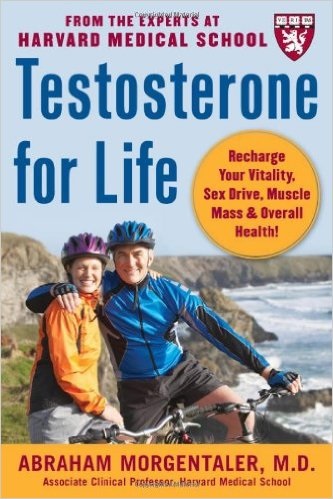
So starts the book Testosterone for Life, by Abraham Morgentaler, M.D., Associate Clinical Professor at Harvard Medical School.

Testosterone for Life

In my previous blogs, I mentioned how early last year, for the first time in my life, I did a comprehensive blood tests. I got these tests done through Life Extension Foundation. These test included all basic hormones.

Only two items showed up not within the “Reference Ranges”: A1c and Free Testosterone. With respect to the LabCorp’s reference rages, my Hemoglobin A1c value of 5.8 was too high (reference range 4.8 to 5.6), even though my fasting Glucose was 91, well within the reference range.

On the other hand, my Free Testosterone value of 5.5 was too low (Reference Range 7.2 to 24.0), while Total Testosterone, DHEA-Sulfate and Estradiol where all within the reference rage.

Now I was quite familiar with A1c, even though I expected it to be normal since my fasting glucose has always been stable around 90 during all my wellness tests.

But Testosterone I did not know anything about. So, I hit the books. The above referenced book by Dr. Morgentaler was one of the first authoritative books I read on the subject. Male Hormone Restoration is another good source. There are also many papers on this subject on NIH Pubmed, for example: The benefits and risks of testosterone replacement therapy: a review.

One of the guidance that Dr. Morgentaler and others practitioners offer is that not all low Testosterone (or Low-T) cases need to be treated. Physicians must examine low-T blood test measurements and correlate with the clinical symptoms. List of symptoms looks the same as at the top of this post for this condition called Hypogonadism:

  • Are you tired?
  • Have you lost your edge, you sense of vitality, your ‘mojo’?
  • Do you have no or low libido (desire for sex)?
  • Do you have erectile dysfunction?
  • Is your mood blah?
  • Have you put on a gut even though you don’t seem to be eating any more than your ever did?
  • Do you have difficulty building muscle mass, bone mass or gaining strength even with workouts and right nutrition?

So per recommendation of practitioners, if some combination of above symptoms exists along with low-T, boosting testosterone may be in order.

I could answer yes to several of the questions above. I had also noticed that fat loss and muscle gain had also plateaued in spite of my continued regime of workouts and nutrition. In fact, in the book, The Life Plan, Jeffry S. Life, M.D., describes how at one point in life low-T became an impediment to maintaining his body composition.

The life plan

I immediately researched and added some supplements to my regime: Miraforte from Life Extension and Male Rejuvenator from Xtend-life. Over the following six months I noticed my Free Testosterone improve as much as 70%. However, my A1c even to increase.

Concerned with trend of my A1c, about six months ago, I started working with Benjamin Gonzalez, M.D. who specializes in functional medicine and hormone replacement therapy (HRT).

After reviewing my tests, conditions and efforts, Dr. Gonzalez started prescribing Testosterone Replacement Therapy (TRT).  In fact, he like many researchers, believes that optimal testosterone levels should be on the high end of the range, close to what men in their 20s will have. This can be a source of slowing down or reversing many age related issues.

The only known downside of TRT is that it is that the supplementation is not recommended if you have enlarged prostates – although that risk is still not proven in the research. 

The treatment involved once a day regime of DHEA supplements as pills and bio-identical testosterone applied as topical cream on wrists. It took about six weeks, before the impact of TRT became apparent. I started noticing that:

  • My daily energy level and “mojo” is up
  • Sexual performance is much better
  • Libido is much improved
  • My fat loss and muscle gain has resumed.

Just last week, I did a set of follow up tests and review with Dr. G. – about six months since starting TRT and coincidental with my 61st birthday. Free Testosterone, DHEA-Sulfate and Estradiol levels are now actually higher than the high end of respective reference ranges.   As a result, Dr. G. has advised, backing down somewhat the daily amount of testosterone.

Fortunately, my wife has also chosen to undergo HRT at the same time I did to balance and optimize her own hormones.  She is also experiencing very positive results.  So, we are well matched in energy and libido.  How lucky for me!

Having gone further up, my hemoglobin A1c is back down to 5.8, but I don’t have enough data points to see if the improvement in A1c is correlated to testosterone levels. So, getting my A1c down is still an active chase for me.

In the past couple of months, I have been talking to my friends and family, especially those over 50 to get their Testosterone levels checked and pursue treatments the levels are low and they have symptoms of hypogonadism.

To bring this issue to light, many researcher have been popularizing the term Andropause, which is like menopause for women.  However, for most men, the decline of testosterone is very gradual starting in their 30s and is not a sudden event as for most women.

So, how about you? Have you had any experience with hormone replacement?

What was your experience?

I would love to hear, so I can and others learn from your knowledge and experience.

Post #41 – So, how to measure how close to optimal is your health? Or, how quickly are you aging?

19 Sunday Jul 2015

Posted by purposelyliveto120 in Aging, Dying, Life-Span, Living to 120, Mental Health, Nutrition, Optimal Exercise, Puposely Living, Vitality, wellness

≈ 1 Comment

Tags

Aging, Biomarkers, Cholesterol, Dying, Health Span, Life Expetancy, Life Span, Live to 120

“How old are you?” someone asks. Number of years since birth is the generally the answer – that is your Chronological Age or CA.

But how hold do you feel? How old do you act? How old do you look? That is your Biological Age or BA.

Wouldn’t it be nice to actually be able to measure your biological age?

CA and BA is the difference between being 40 year old and going on 60. Or, may be being 60 year old and going on 40.

Wouldn’t it be more useful to have a single number like BA, than understanding individual factors like your total cholesterol, HDL, A1c, VO2 Max, etc?

Recently, in the media there has been a buzz about a recent research published by scientists led by Duke University School of Medicine about measuring biological age. For example, see the article in WSJ: How Quickly Are You Growing Old?

Now there are a quite a few websites, where you answer a bunch of question and they will tell you, your biological age as compared to your chronological age.

For example, here are three such sites, I tried (my CA is 60.9 years):

http://www.biological-age.com/ calculated my biological age as 36

https://www.sharecare.com told me my BA was 53.6.

http://www.growyouthful.com/gettestinfo.php said my BA was 46.

Each of the sites followed up with advice and helpful hints on what I could start or stop doing to further increase my expected health and lifespan.

Unfortunately, none of these websites show exactly what they do with the information you provide and how they arrive at the number they call Biological Age.

But this recent study, “Quantification of biological aging in young adults”, by Daniel W. Belsky et al, is very rigorous treatment of this subject and gives you all the details behind the curtain. And, for me, these details are not only fascinating but actually quite useful to understand what matters for biological age to start diverging from chronological age. In other words, what slows down or speed up aging.

The study calculated the aging rate of 954 men and women—taking various measurements of their bodies’ health—when they were each 26, 32 and 38 in chronological years. By analyzing how these measures changed over time, the researchers were able to see who aged faster and who slower than normal.

To measure the pace of biological aging, which the study defined as the declining integrity of multiple organ systems, the researchers relied on 18 separate biomarkers, summarized in figure below.

These ranged from common measures such as HDL-cholesterol levels and mean arterial blood pressure to more obscure ones like the length of telomeres—the protective caps on the ends of chromosomes that shorten with age.

Go on in Years

Chronological age of all participants was 38 years. However, researchers found that the biological ages varied from 26 years to 60 years.

For measuring how fast people aged, they calculated aging over 12 years. About 30 percent aged biologically one year for every calendar year. There were those who aged as much as 3 years for every calendar year. And, there were four members of the group who aged not at all or actually got biologically younger during the 12 year period.

BOTTOMLINE:

Finding one’s Biological Age is a fascinating concept and can be very useful in optimizing health and life span. However, this is not an exact science just yet, although good strides are being made in research.

However, if you want to focus on living optimally, you can focus on changing your lifestyle to optimize the basic 18 or so biomarkers used in this study. Most of these can be impacted by lifestyle choices. Only 20% depend upon genetics.

Proper food, hydration, exercise, supplements and medical care are the key methods to managing these primary biomarkers.

Websites that compute biological ages also suggest additional actionable items that seem to strongly correlate to optimal health span and life span. These include:

  1. Optimal sleep (7 to 9 hours)
  2. Reduced stress (meditation, perspective management)
  3. Reduced exposure to toxins (organic food, reduced use of chemicals, clean water)
  4. Increased social contact (having friends, family, living with a life partner)
  5. Purposeful living (satisfying work, hobbies, social endeavors)

What is your take on this subject?

Please feel free to leave comment to share your perspective.

Post #40 – How much Sun exposure should you have for Optimal Health?

08 Monday Jun 2015

Posted by purposelyliveto120 in Aging, Optimal Health, Supplements

≈ Leave a comment

Tags

Acute Diseases, Health Span

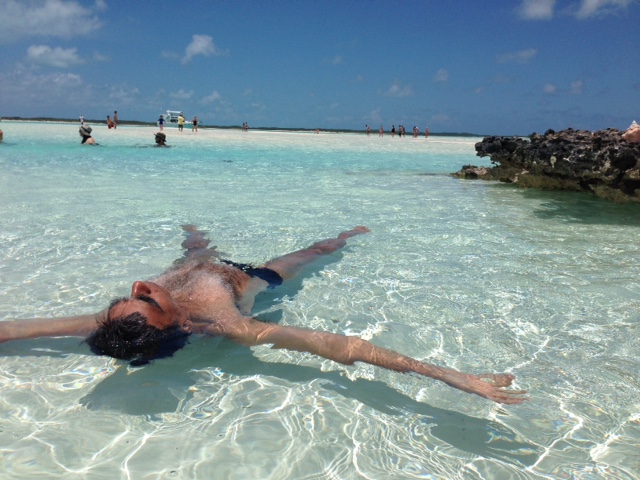
A couple of weeks ago my wife and I took a vacation in the Exuma Islands in the Bahamas to celebrate our 30th wedding anniversary. Now everyone knows what Bahamas Islands have plenty of: Water and the Sun. Lounging on the beach and swimming in the ocean with all shades of turquoise, we definitely got plenty of both water and the Sun. Case in point, this picture of me!

IMG_2995

And, that got me thinking: So, how much Sun exposure one should have for optimal health?

On the positive side, we know that being in the Sun is very therapeutic. It cheers us up. Both because it is good for our disposition and it is a major source of Vitamin D.

On the other hand, we have all heard of skin cancer, eye damage and hypersensitivity that excessive exposure to sun can cause.

So, how do we balance the two for Optimal Health?

First, how much Sun do we need for daily dose of Vitamin D?

Most of the “experts” sort of punt this question saying that there isn’t one recommendation for everyone. This is because the amount of time you need to spend in the sun for your skin to make enough vitamin D depends on a number of factors. These include your skin type (how dark your skin is or how easily you get sunburnt), the time of year and what time of day it is.

In the Northern Hemisphere, (e.g., US, Canada) short daily periods of sun exposure without sunscreen during the summer months (April to October) are enough for most people to make enough vitamin D. Evidence suggests that the most effective time of day for vitamin D production is between 11am and 3pm.

A short period of time in the sun means just a few minutes – evidence suggests that about 10 to 15 minutes is enough for most lighter-skinned people – and is less than the time it takes you to start going red or burn.

The larger the area of skin that is exposed to sunlight, the more chance there is of making enough vitamin D before you start to burn. People with darker skin will need to spend longer in the sun to produce the same amount of vitamin D.

In the Northern Hemisphere, our skin isn’t able to make vitamin D from winter sunlight (November to March) as the sunlight hasn’t got enough UVB (ultraviolet B) radiation. During the winter, we get vitamin D from our body’s stores and from food sources. Hence great emphasis on Vitamin D supplements in the US and other countries in the Northern Hemisphere located at higher latitudes.

How much sun before you do damage to the Skin?

Now on to how much sun is needed to produce sun damage to the skin. Here also the clear answer is: It depends.

In research, often the measurement of damage used is the amount of UV radiation needed to cause erythema – the red flushing of the skin caused by exposure to sunlight. The theory is that more the erythema, the greater is the likelihood of damage and cancer.

Because of the variables of geography and seasons, and variations in how an individual reacts to sunlight, it isn’t possible to come up with hard and fast rules – but here are some useful guidelines.

Avoid the midday sun

The time when the skin makes most Vitamin D is when it’s exposed to the midday summer sun – but that’s the time the skin is most easily damaged.

However, redness can occur in only eight minutes in a mid-day sun.

So in peak summer times from 10 am to 3pm, you should use protection against the sun; shade, hats, clothing, sunglasses and sunscreen.

But earlier in the day and later in the afternoon, for a similar period of sun exposure and vitamin D manufacture, you get much less skin damage.

During the summer months in the Southern states in the US, for example, 10 to 15 minutes of unprotected sun exposure of the face, arms and hands before 10am or after 3pm, three to four times a week, will give you enough Vitamin D without skin damage.

But this may not be enough in Northern part of the US or Canada, especially in winter. You’ll need longer periods of exposure or more flesh exposed to the sun.

Longer for dark skins

Note that the figures only apply to fair skinned people. People with very dark skin need around six times more exposure to UV radiation to produce as much vitamin D as someone with fair skin. These people may need sunlight exposure during peak times – i.e. the middle of the day – especially in the Northern states in the winter months.

On the other hand people with darker skins are less likely to get skin damage because of greater amounts of pigment in their skin. Even though they are still susceptible to getting skin cancer.

Bottom Line

Based on what I just learned, for Optimal Health, I am going to stick to my Vitamin D supplements to get sufficient Vitamin D, year-round and heed to the following recommendation I found on the Skin Cancer Foundation website:

Q: I’m going to the Caribbean this winter. Are there any special precautions I need to take to protect myself from the sun?

A: (By Neil Sadick, MD, FAAD, FAACS, FACP, FACPh) When the days get colder and the nights get longer many people enjoy a vacation to a warm place like the Caribbean, to catch some sun and “recharge their batteries.” Typical winter vacation regions are located close to the equator, with little distinction between the seasons and high temperatures year-round. The sunny weather in these regions is accompanied by strong ultraviolet (UV) radiation, as the sun’s rays hit the earth at a more direct angle and aren’t as well-absorbed by the atmosphere.

Furthermore, these sunny days tend to be long, sometimes with substantial amounts of UV until early evening. The ability to travel from a winter season to a sunny vacation spot in just a few hours is a great comfort in modern times, but also a heavy burden for the skin. Current studies now show that sun-filled vacations and sunburns play a key role in the development of melanoma, the most dangerous form of skin cancer.

Intermittent, intense sun exposure, the kind you are likely to receive on a sun-drenched winter vacation (the sort that often leads to sunburn), is associated with a much higher melanoma risk than regular, everyday sun exposure. Suffering one or more blistering sunburns in childhood or adolescence, or five or more by any age, more than doubles a person’s lifetime chances of developing melanoma. Important precautions that protect you from the sun on your vacation include shade, sun-protective clothing, and sunscreen, as well as sensibly limiting your sun exposure in general.

The sunscreen you use should have a sun protection factor of at least 30 and sufficiently block UVA as well as UVB rays. (Look for “broad spectrum” or “multi-spectrum” protection.) If you’ll be vacationing near the water, a water-resistant or very water-resistant sunscreen formula is recommended. Apply approximately one ounce of sunscreen (two tablespoons) to the whole body, and reapply every two hours or immediately after activities such as swimming, sweating, or rubbing/wiping.

Loose-fitting, long-sleeved shirts and long pants made from tightly woven fabrics offer the best protection from the sun’s UV rays. You may want to look for clothes that have a UPF (ultraviolet protection factor) label of 30+; a shirt with a UPF of 30, for example, will let just 1/30th of the sun’s UV radiation reach your skin. High-UPF athletic gear may be particularly helpful, since such clothes are meant to keep you cool and comfortable, no matter how hot the weather gets.

Finally, a hat with a brim at least 3” all the way around and UV-blocking sunglasses will also help protect the vulnerable skin on your head, face, neck, and tops of the shoulders. Sensible sun behavior means avoiding tanning and burning as well as seeking the shade between 10 AM and 4 PM (and especially between noon and 2 PM, when the sun’s rays are strongest).

What are your thoughts on this topic?

I would love to learn from you and share that knowledge with others.

← Older posts
Newer posts →

Recent Posts

  • Post #69 – Resources I used to rehabilitate my knee: Part II – Knee Misalignment Issue
  • Post #68 – Resources I used to rehabilitate my knee: Part I – Diagnose and Fix Structural Issue
  • Post #67 – What is the Minimum Stack of Supplements to Take?
  • Post #66 – Optimal Health through Optimal Breathing
  • Post #65 – Fasting, the old new technology and panacea for Optimal Health – Part III

Recent Comments

purposelyliveto120's avatarpurposelyliveto120 on Post #66 – Optimal Health thro…
Michael Jansen Jr.'s avatarMichael Jansen Jr. on Post #66 – Optimal Health thro…
Michael Jansen Jr.'s avatarMichael Jansen Jr. on Post #65 – Fasting, the…
Sherri Boczar's avatarSherri Boczar on Post #64 – Fasting, the…
Sherri Boczar's avatarSherri Boczar on Post #63 – Fasting, the…

Archives

  • July 2024
  • June 2024
  • June 2022
  • January 2021
  • September 2019
  • August 2019
  • July 2019
  • September 2018
  • May 2018
  • February 2018
  • July 2017
  • September 2016
  • August 2016
  • July 2016
  • June 2016
  • May 2016
  • April 2016
  • March 2016
  • February 2016
  • January 2016
  • December 2015
  • November 2015
  • October 2015
  • September 2015
  • August 2015
  • July 2015
  • June 2015
  • May 2015
  • April 2015
  • March 2015
  • February 2015
  • January 2015
  • December 2014
  • November 2014
  • October 2014
  • September 2014
  • August 2014
  • July 2014
  • June 2014
  • May 2014
  • April 2014
  • March 2014

Categories

  • Aging
  • Autophagy
  • Bikram Yoga
  • Biomarkers for Stress
  • Breathing
  • Causes of Death
  • Causes of Death
  • Dying
  • Fasting
  • Functional Medicine
  • Ideal Body Weight
  • knee-pain
  • Lean Mass
  • Life-Span
  • Living to 120
  • meditation
  • Mental Health
  • Muscoskeletal alignment
  • Nutrition
  • Optimal Exercise
  • Optimal Health
  • Optimal Nutrition
  • Optimal Sleep
  • Percent Body Fat
  • Puposely Living
  • Quality of Life
  • Reversing Chronic Diseases
  • Stress
  • Supplements
  • TM
  • Uncategorized
  • Vigor
  • Vitality
  • wellness
  • Yoga

Meta

  • Create account
  • Log in
  • Entries feed
  • Comments feed
  • WordPress.com

Recent Posts

  • Post #69 – Resources I used to rehabilitate my knee: Part II – Knee Misalignment Issue
  • Post #68 – Resources I used to rehabilitate my knee: Part I – Diagnose and Fix Structural Issue
  • Post #67 – What is the Minimum Stack of Supplements to Take?
  • Post #66 – Optimal Health through Optimal Breathing
  • Post #65 – Fasting, the old new technology and panacea for Optimal Health – Part III

Recent Comments

purposelyliveto120's avatarpurposelyliveto120 on Post #66 – Optimal Health thro…
Michael Jansen Jr.'s avatarMichael Jansen Jr. on Post #66 – Optimal Health thro…
Michael Jansen Jr.'s avatarMichael Jansen Jr. on Post #65 – Fasting, the…
Sherri Boczar's avatarSherri Boczar on Post #64 – Fasting, the…
Sherri Boczar's avatarSherri Boczar on Post #63 – Fasting, the…

Archives

  • July 2024
  • June 2024
  • June 2022
  • January 2021
  • September 2019
  • August 2019
  • July 2019
  • September 2018
  • May 2018
  • February 2018
  • July 2017
  • September 2016
  • August 2016
  • July 2016
  • June 2016
  • May 2016
  • April 2016
  • March 2016
  • February 2016
  • January 2016
  • December 2015
  • November 2015
  • October 2015
  • September 2015
  • August 2015
  • July 2015
  • June 2015
  • May 2015
  • April 2015
  • March 2015
  • February 2015
  • January 2015
  • December 2014
  • November 2014
  • October 2014
  • September 2014
  • August 2014
  • July 2014
  • June 2014
  • May 2014
  • April 2014
  • March 2014

Categories

  • Aging
  • Autophagy
  • Bikram Yoga
  • Biomarkers for Stress
  • Breathing
  • Causes of Death
  • Causes of Death
  • Dying
  • Fasting
  • Functional Medicine
  • Ideal Body Weight
  • knee-pain
  • Lean Mass
  • Life-Span
  • Living to 120
  • meditation
  • Mental Health
  • Muscoskeletal alignment
  • Nutrition
  • Optimal Exercise
  • Optimal Health
  • Optimal Nutrition
  • Optimal Sleep
  • Percent Body Fat
  • Puposely Living
  • Quality of Life
  • Reversing Chronic Diseases
  • Stress
  • Supplements
  • TM
  • Uncategorized
  • Vigor
  • Vitality
  • wellness
  • Yoga

Meta

  • Create account
  • Log in
  • Entries feed
  • Comments feed
  • WordPress.com

Blog at WordPress.com.

  • Subscribe Subscribed
    • Purposely Live to120
    • Join 68 other subscribers
    • Already have a WordPress.com account? Log in now.
    • Purposely Live to120
    • Subscribe Subscribed
    • Sign up
    • Log in
    • Report this content
    • View site in Reader
    • Manage subscriptions
    • Collapse this bar
 

Loading Comments...